
Cashmere Yarn


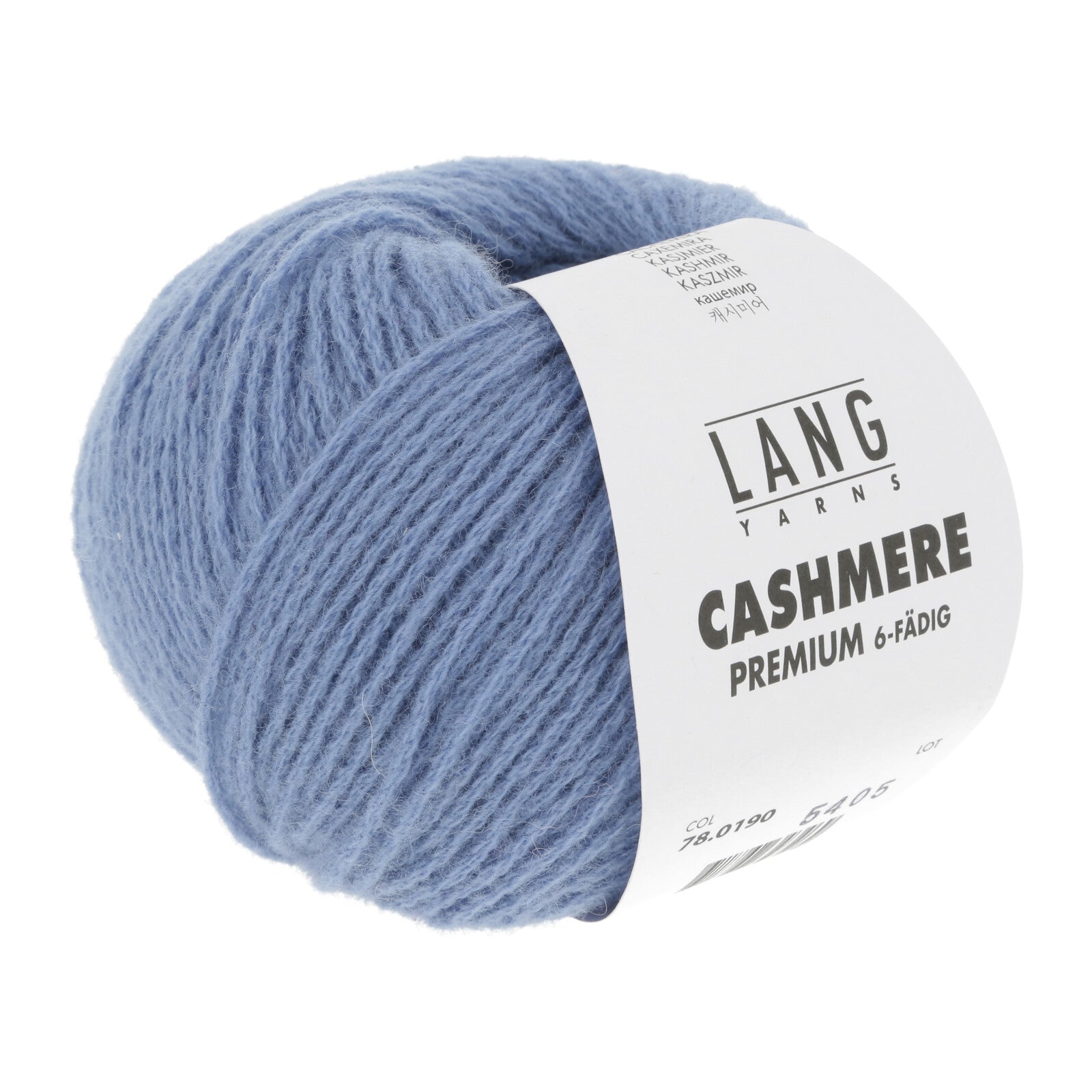
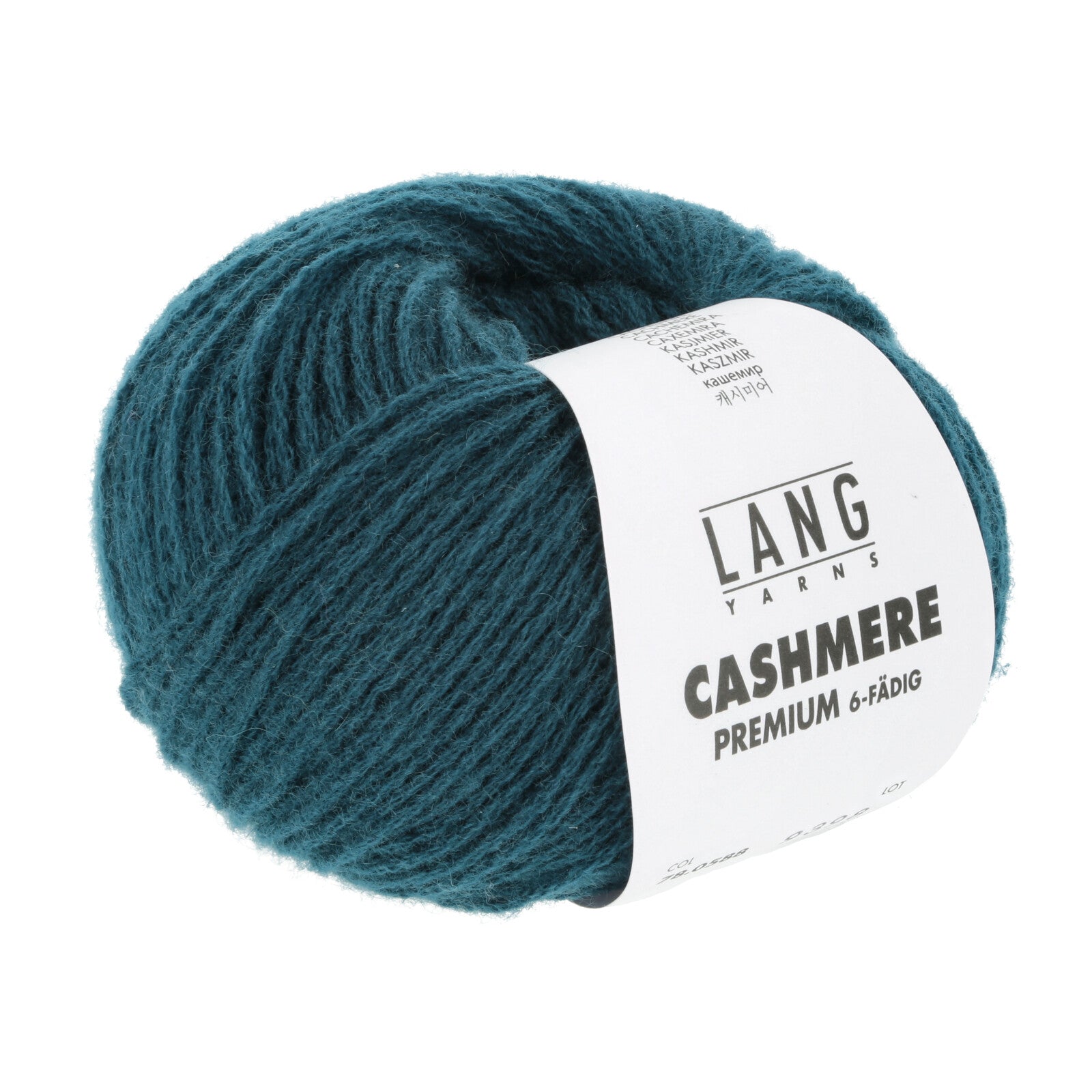
What is Cashmere Yarn?
Cashmere is a natural protein fibre obtained from the soft undercoat of the cashmere goat, primarily farmed across the high plateaux of Mongolia, China, Afghanistan, and Iran. It is one of the most sought-after natural fibres in the world — not because of rarity alone, but because of a specific combination of physical properties that no other fibre quite replicates: extraordinary softness, a natural warmth disproportionate to its weight, and a subtle lustre that gives cashmere garments their distinctive refined appearance.
The softness of cashmere comes from its fibre diameter. The finest cashmere fibres measure between 14 and 19 microns — far finer than the softest merino wool, which typically starts around 15–18 microns, and dramatically finer than standard wool. At that fineness, the fibres do not trigger the prickling sensation that coarser wools cause against sensitive skin, which is why cashmere is universally described as soft rather than merely smooth. It is a genuine tactile difference, not a marketing claim.
Pure Cashmere vs Cashmere Blends
Cashmere yarn is available both as 100% pure cashmere and blended with other fibres — most commonly merino wool, silk, or alpaca. Each approach has distinct advantages depending on what you are making and what you want from the finished fabric.
Pure cashmere yarn offers the ultimate in softness and warmth, and is the appropriate choice for special-occasion garments, heirloom pieces, and anything where the quality of the fibre is the entire point. It is more delicate than blended alternatives — it pills more readily in high-wear areas, requires careful hand washing, and is a more significant investment. For a gift project where nothing less than the finest will do, a pure cashmere yarn is incomparable.
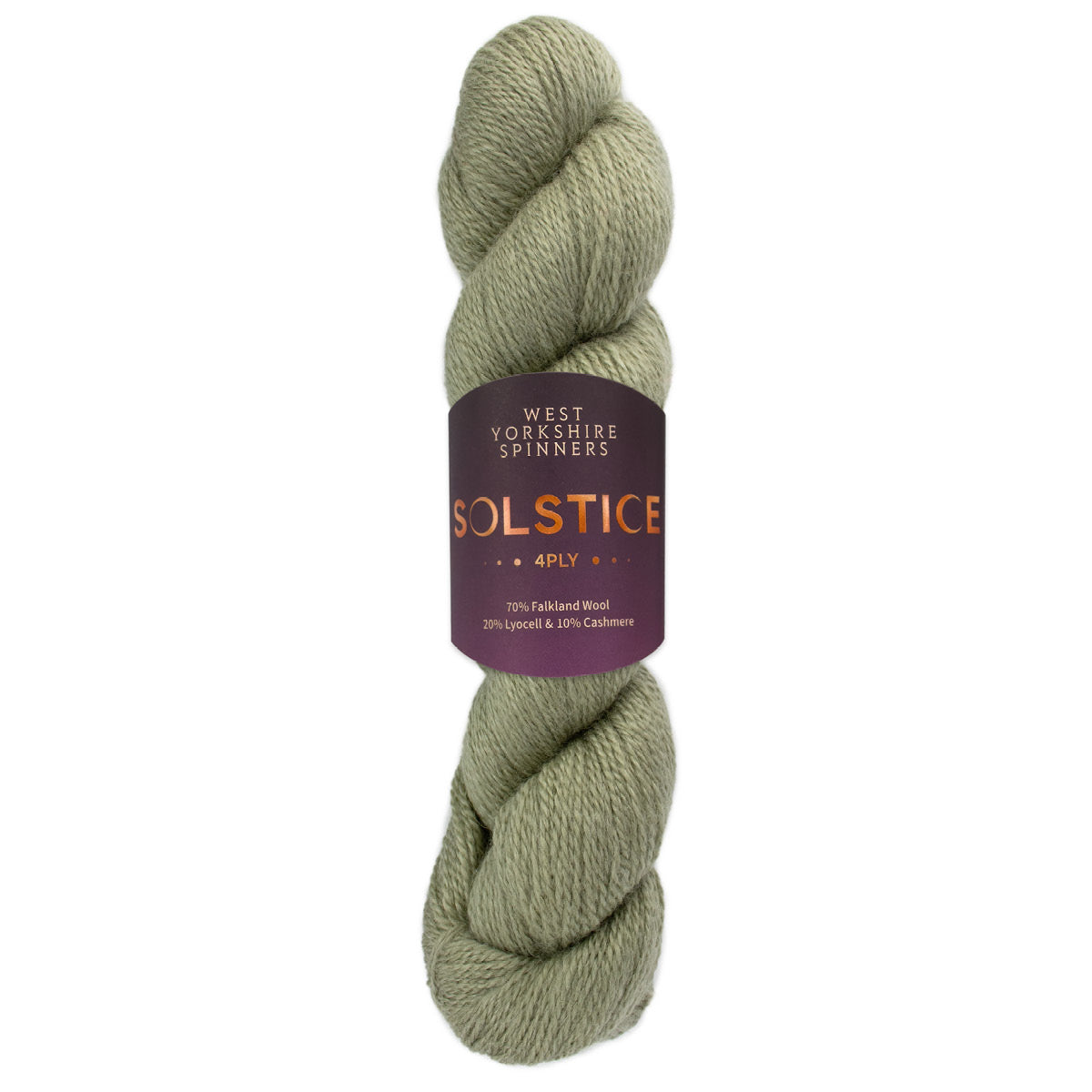
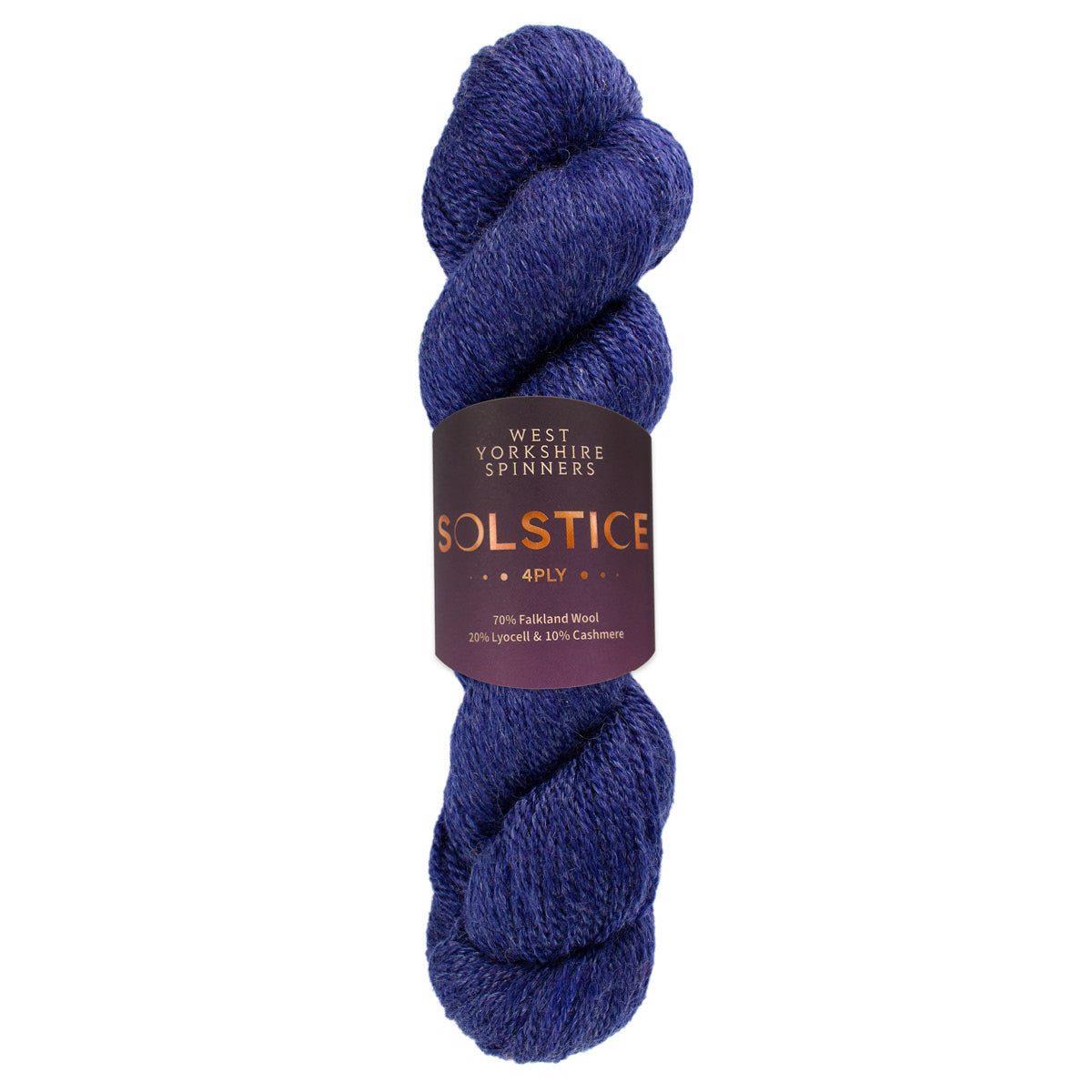
Cashmere blends — particularly cashmere and merino or cashmere and silk — bring the softness and warmth of cashmere together with the strength and elasticity of other fibres, producing a yarn that is more durable, easier to care for, and more forgiving in wear than pure cashmere while still offering a noticeably elevated handle compared to plain wool. A cashmere-merino blend at DK or 4 ply weight is one of the most practical luxury yarn choices available, producing a fabric that performs well in everyday garments and wears far better than pure cashmere in high-friction areas.
What Can You Knit with Cashmere Yarn?
Cashmere is most naturally suited to garments and accessories that will be worn close to the skin — lightweight sweaters and cardigans, fine-gauge wraps and shawls, scarves, and accessories where the softness of the fibre against the neck and face is the primary pleasure. It is not a yarn for outerwear that will experience heavy friction or hard wear; it is a yarn for the pieces you keep for years and treat with care.
For knitters in Scotland, where grey skies and cold winds make warm layering essential for much of the year, a fine cashmere or cashmere-blend sweater is one of the most genuinely useful luxury purchases possible. The warmth-to-weight ratio of cashmere — significantly warmer than wool at equivalent weight — makes it ideal for the indoor-outdoor layering that Scottish life demands, worn under a heavier jacket or as a standalone layer in milder conditions.
Gift knitting is another strong application for cashmere yarn. A hand-knitted cashmere accessory — a simple but beautifully executed scarf or cowl in a pure cashmere DK or 4 ply — is a genuinely meaningful, high-value gift that no mass-produced equivalent can match. The combination of material value, the time invested in making it, and the personalisation of colour and stitch choice makes a cashmere hand-knit one of the most considered gifts a knitter can give.
Cashmere Yarn Brands at The Orry Mill
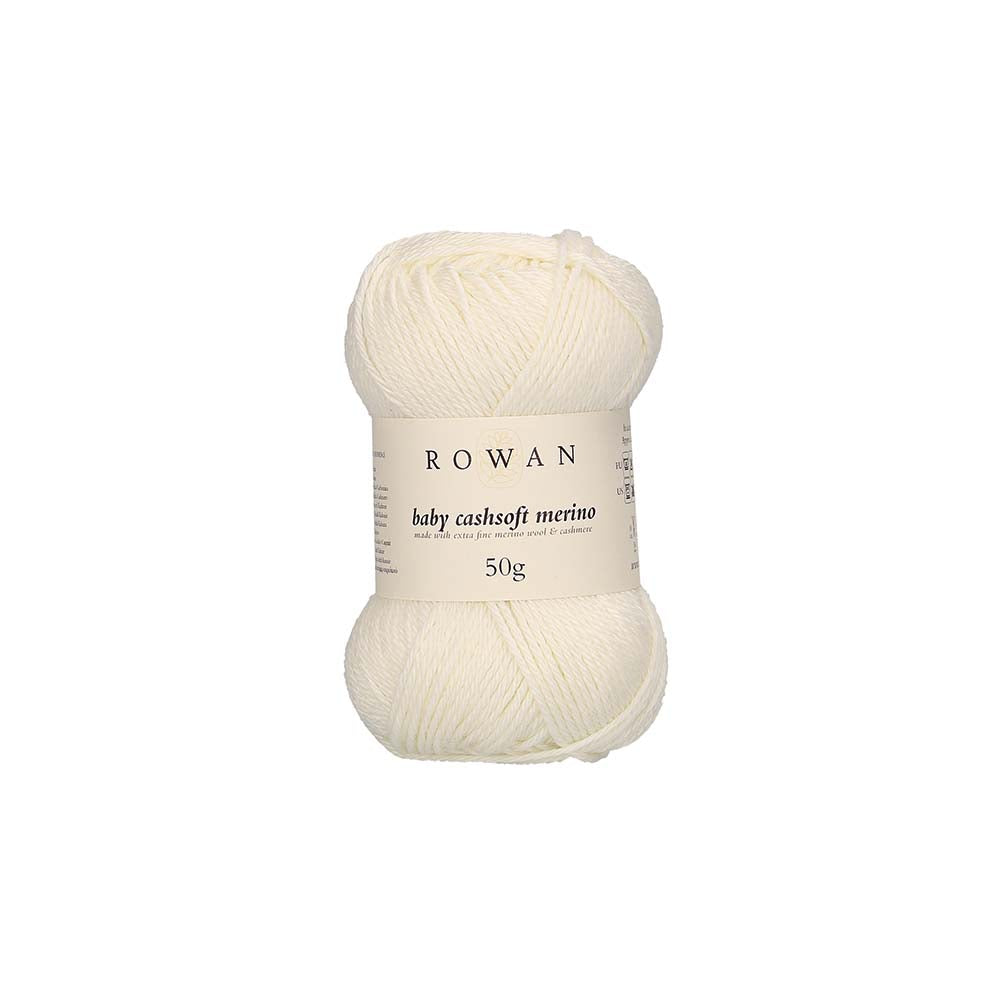
Our cashmere collection is carefully curated to offer both pure cashmere and premium cashmere-blend options from brands trusted for their fibre sourcing and quality standards. Rowan's cashmere offerings span several weights and blend compositions, reflecting their long-standing commitment to premium natural fibres. Drops provides an accessible entry point into cashmere knitting with well-regarded cashmere-blend bases at approachable price points.
Browse the full collection above and explore related collections including our merino yarn, alpaca yarn, mohair yarn, and silk yarn — or find a pattern to showcase your cashmere from our full patterns collection.