
Yak Yarn

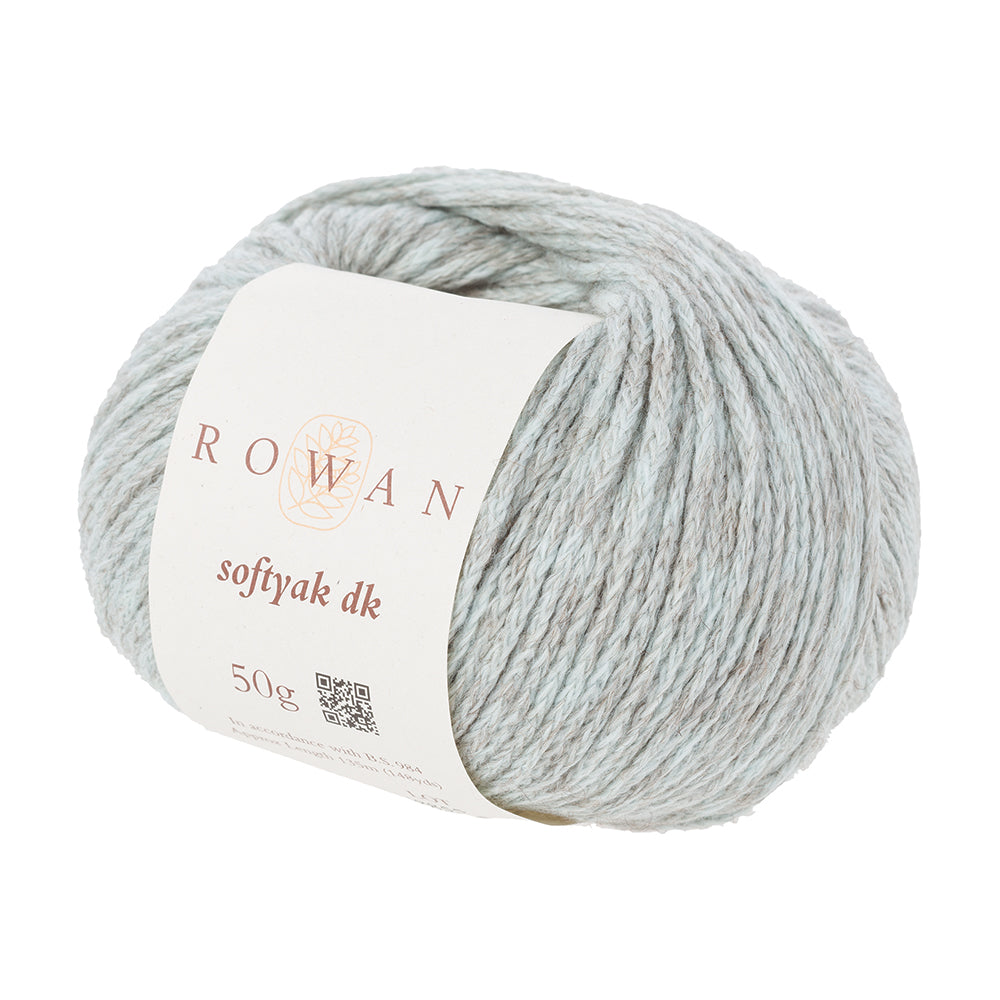
What is Yak Yarn?
Yak fibre comes from the domesticated yak — a large, long-haired bovine native to the high-altitude plateaux of the Himalayas and the Tibetan plateau, where it lives at elevations of 3,000 to 5,500 metres above sea level. The extreme cold of that environment — temperatures regularly dropping to -40°C in winter — has given the yak an undercoat of extraordinary thermal quality. It is this soft inner down, combed by hand from the animal during the spring moult, that produces yak fibre for spinning.
The resulting yarn has properties that make it genuinely remarkable among natural fibres. Yak fibre is measured at around 16–20 microns in diameter — finer than most merino wool and comparable to cashmere in softness — but it has a slightly different texture: denser, with more natural insulating loft, and with a subtle warmth that goes beyond what the fibre diameter alone would suggest. In independent testing, yak fibre has been shown to be significantly warmer than merino at equivalent weight, and comparable to or exceeding cashmere in thermal efficiency. For knitters in Scotland and the UK, where winter warmth genuinely matters, that combination of softness and thermal performance is a compelling reason to explore yak.
Yak Yarn's Natural Colour Range
One of the most distinctive characteristics of yak fibre is its natural colouring. Yaks produce fibre in a limited but beautiful natural palette — ranging from deep, warm chocolate brown and rich dark grey to lighter fawn and the rare off-white of albino yak. Many yak yarns are available in their natural undyed state, celebrating these organic tones as a design feature rather than treating them as a limitation. Naturally coloured yak yarn requires no dyeing, which reduces the environmental impact of production and preserves the fibre's natural character.
When yak is dyed, the results reflect the depth of the natural base colour. Darker natural shades produce rich, heathered tones rather than the clear, bright colours possible on a white wool base — which gives dyed yak yarns a distinctive, earthy sophistication that many knitters find deeply appealing for outerwear and accessories.
Pure Yak vs Yak Blends
Pure yak yarn — spun entirely from the combed inner down — is the most luxurious and most thermally efficient option, but it is also the most expensive and the least widely available. Its softness and warmth are exceptional, and it is best suited to garments and accessories where both of those qualities are the primary objective: fine-gauge next-to-skin sweaters, scarves, and accessories worn against the face and neck.
Yak blended with merino wool or other fibres is more common and represents an excellent balance of performance and accessibility. A yak-merino blend typically retains most of the warmth advantage of yak while gaining the elasticity, structure, and ease of care of merino — producing a yarn that knits with familiar behaviour while offering a noticeably elevated handle and thermal quality compared to plain merino. Yak is also occasionally blended with silk, producing a fibre with extraordinary drape and a subtle natural sheen that suits lightweight garments and accessories beautifully.
What Can You Knit with Yak Yarn?
Yak yarn is particularly well suited to projects where exceptional warmth and softness are priorities. In Scotland's climate — where genuinely cold winters and damp, changeable conditions persist from October through April — a hand-knitted yak or yak-blend garment is not a luxury indulgence but a genuinely useful piece of outerwear. Lightweight yak scarves, cowls, and shawls are among the best applications: the fibre's thermal efficiency means that even a fine-gauge yak accessory provides real warmth, while its softness makes it comfortable to wear against exposed skin.
For sweaters and cardigans, yak-merino blends at DK or 4 ply weight produce garments with a refined, elevated quality that stands apart from standard merino knits. The slightly denser character of yak fibre means finished garments have a pleasing weight and drape without being heavy. Hats and mittens in yak or yak-merino blend are another strong application — both benefit enormously from the fibre's thermal efficiency, and the natural colour palette of undyed yak produces accessories with a quietly sophisticated, Himalayan-inspired aesthetic.
Browse the full yak collection above, and explore related fibre collections including our cashmere yarn, alpaca yarn, merino yarn, and wool yarn — or find a pattern to match from our patterns collection.