
Cotton Yarn



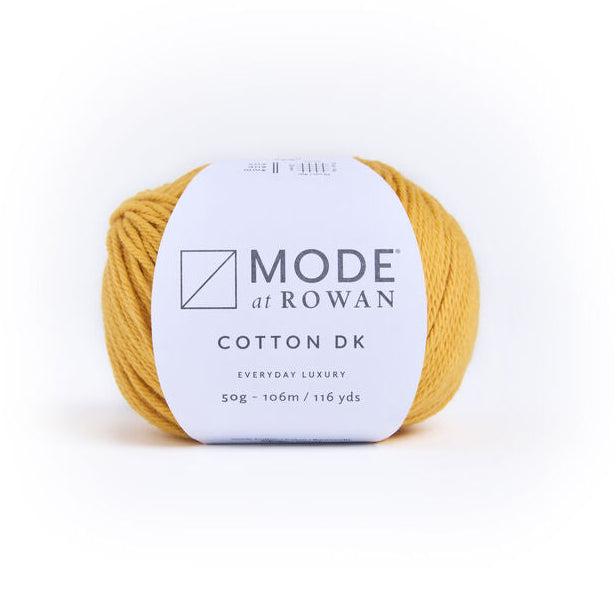
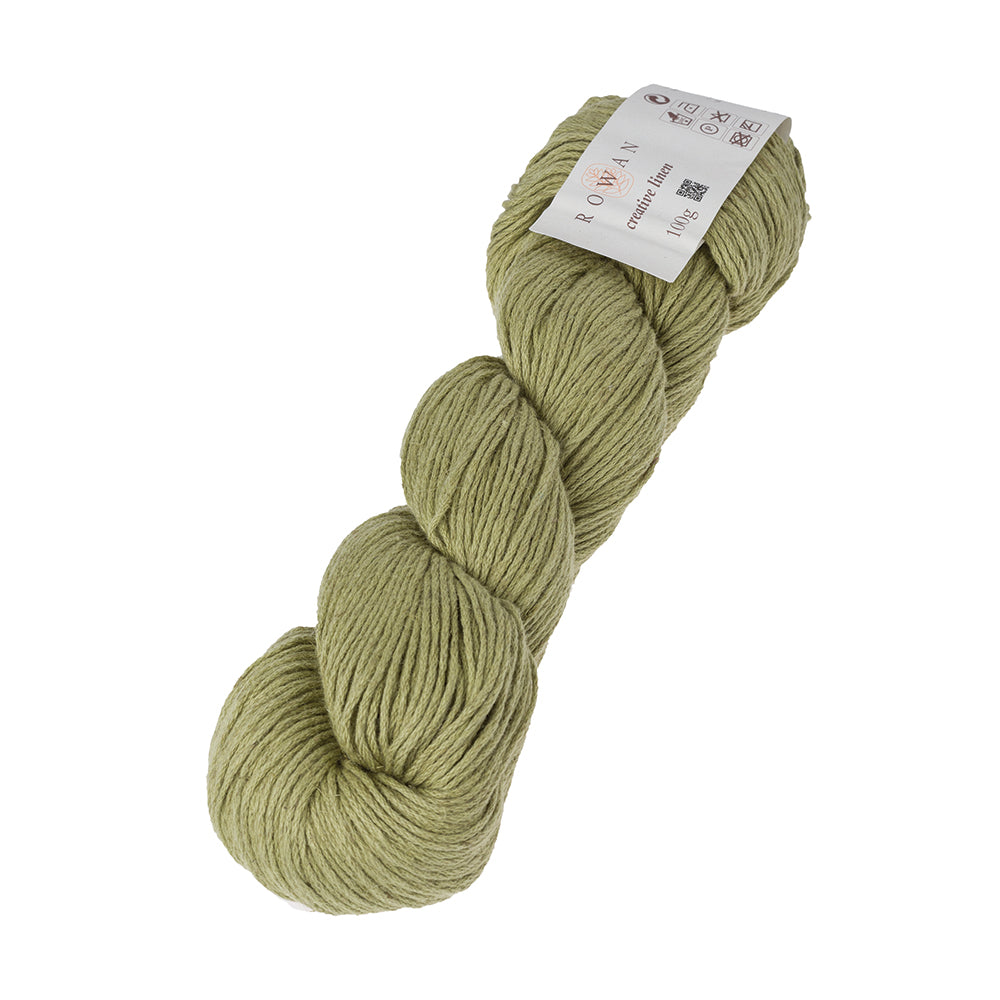
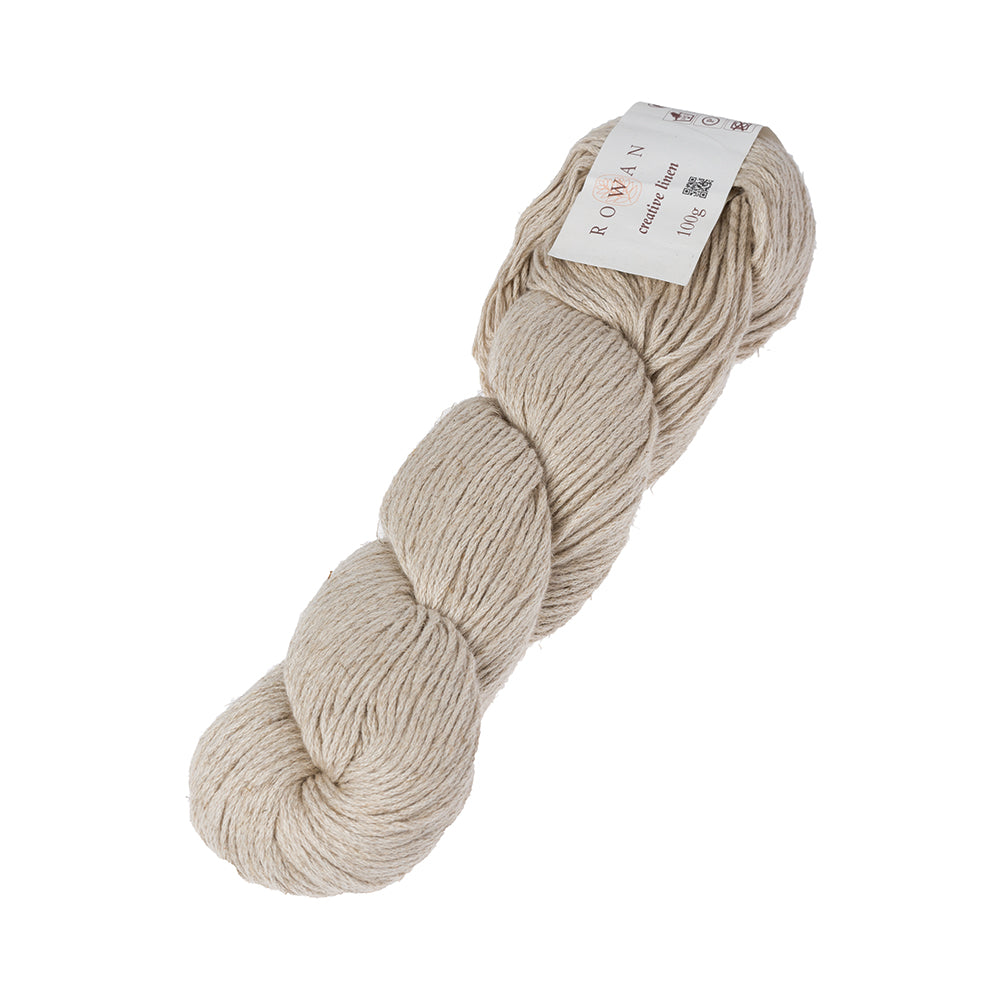
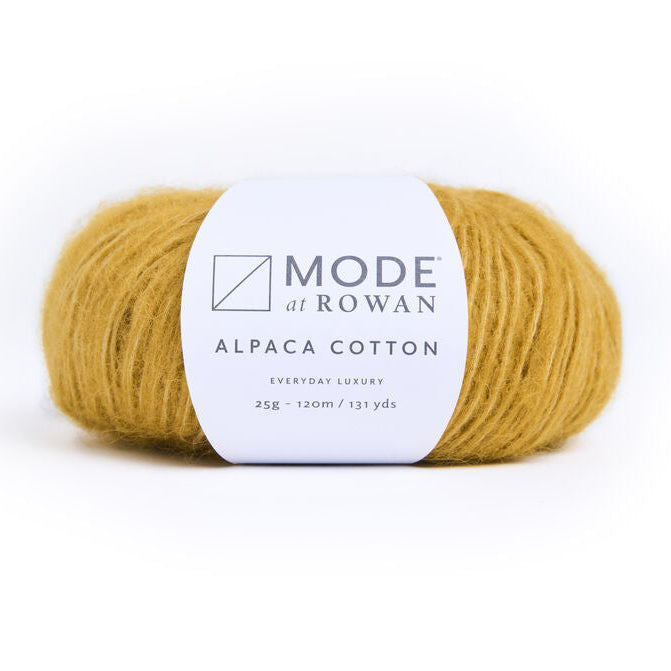


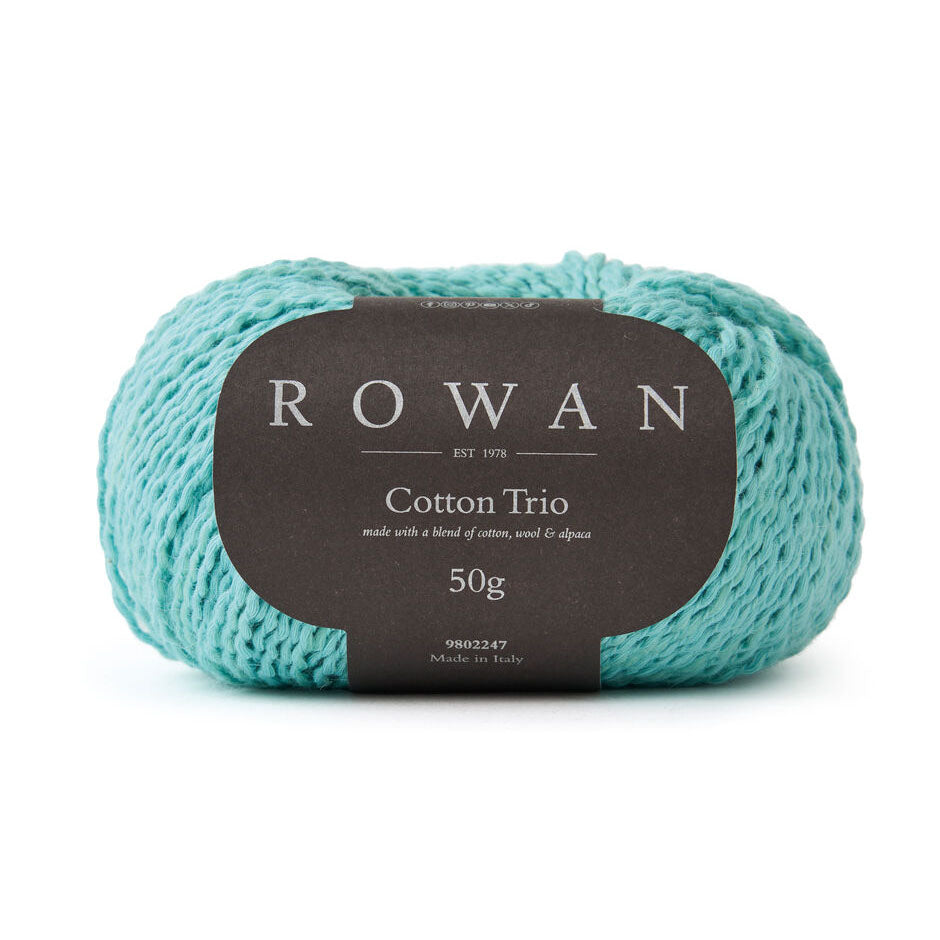
What is Cotton Yarn?
Cotton is a natural plant-based fibre harvested from the seed pods of the Gossypium plant and spun into yarn. It is one of the oldest textile fibres in recorded human history and remains one of the most widely used today — not because of any single outstanding quality, but because of a combination of useful properties that make it genuinely practical for a wide range of applications.
The defining characteristics of cotton yarn in knitting are its breathability, its washability, and its stitch definition. Cotton fibre is hollow at its core, allowing air to circulate through the fabric and making it naturally cooling against the skin — the opposite of wool, which traps air to create warmth. This makes cotton the natural choice for summer garments and for knitwear intended to be worn in warm conditions or by people who cannot tolerate wool against their skin. Cotton also takes dye well and holds colour reliably, which is part of the reason cotton yarns tend to come in particularly vibrant, saturated colour ranges.
How Cotton Yarn Behaves on the Needles
Cotton yarn behaves quite differently from wool, and understanding that difference before starting a project will save frustration. The most important distinction is elasticity — or rather, the complete absence of it. Wool has a natural spring that helps even out small tension inconsistencies and makes the knitted fabric forgiving and bouncy. Cotton has no elasticity whatsoever: it is an inelastic fibre, and the fabric it produces lies flat and stays where it lands. This is excellent for structured home décor pieces and clean geometric stitch patterns, but it means that tension control matters more than it does with wool, and that cotton garments can stretch with wear and washing if not knitted at a sufficiently tight tension.
Cotton is also heavier than wool at equivalent thickness, which means a cotton garment will have more weight and drape than its wool equivalent knitted at the same gauge. This is a desirable quality for shawls, wraps, and draped summer tops, but can cause fitted garments to grow with wear if they are worked too loosely. When starting a cotton project, it is worth knitting a tension swatch washed and dried, as cotton can relax significantly after its first wash.
Pure Cotton vs Cotton Blends
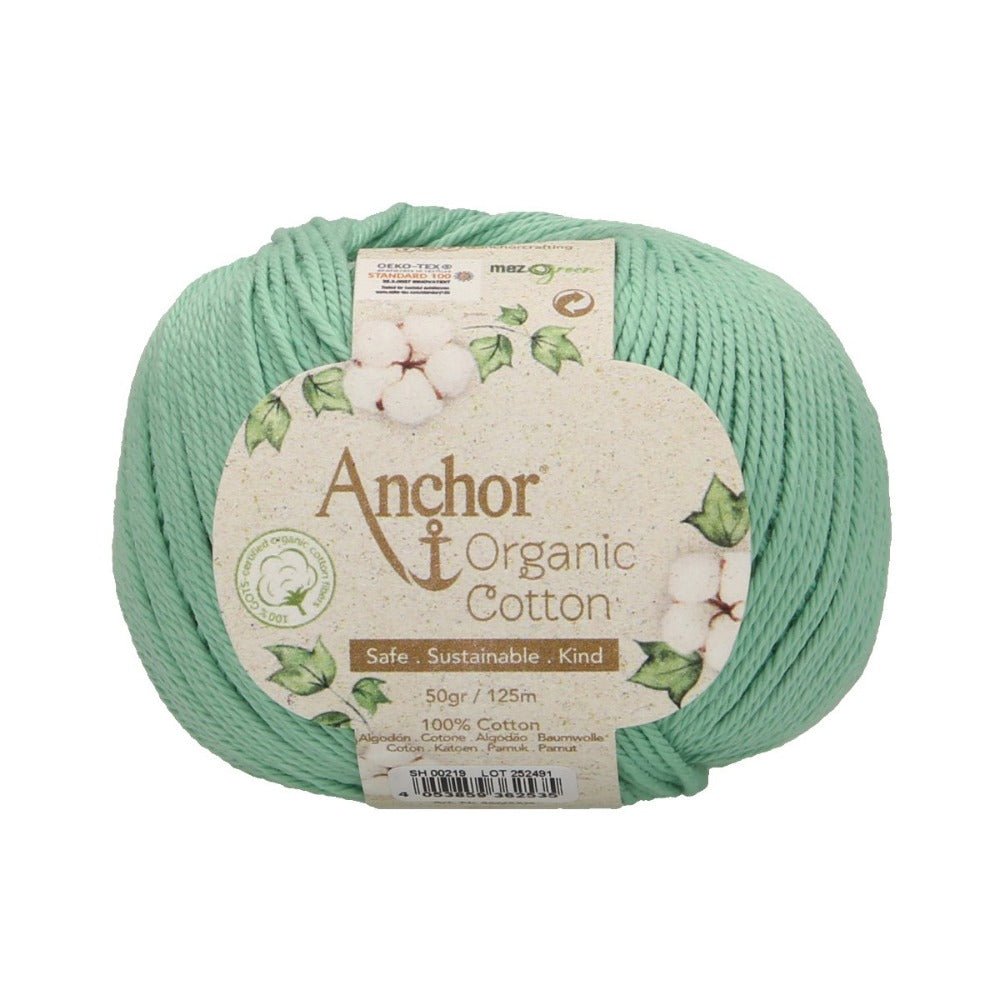
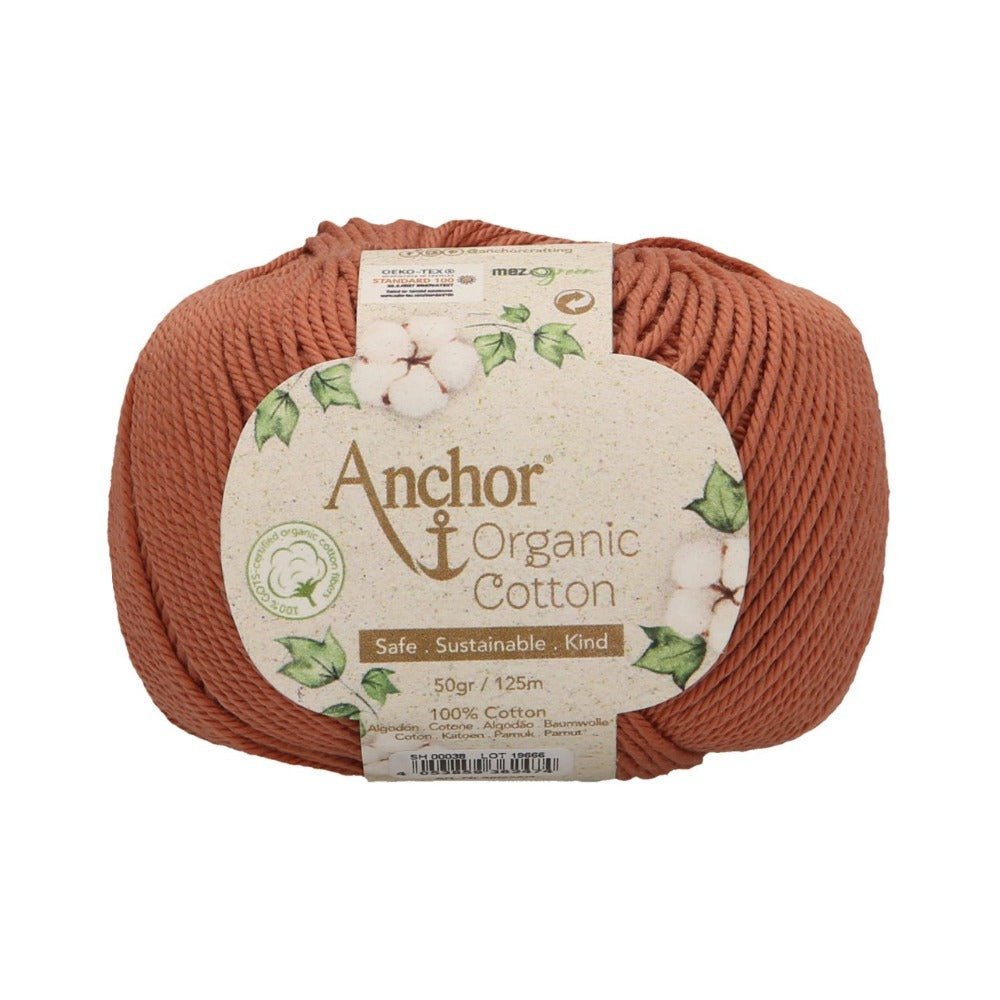
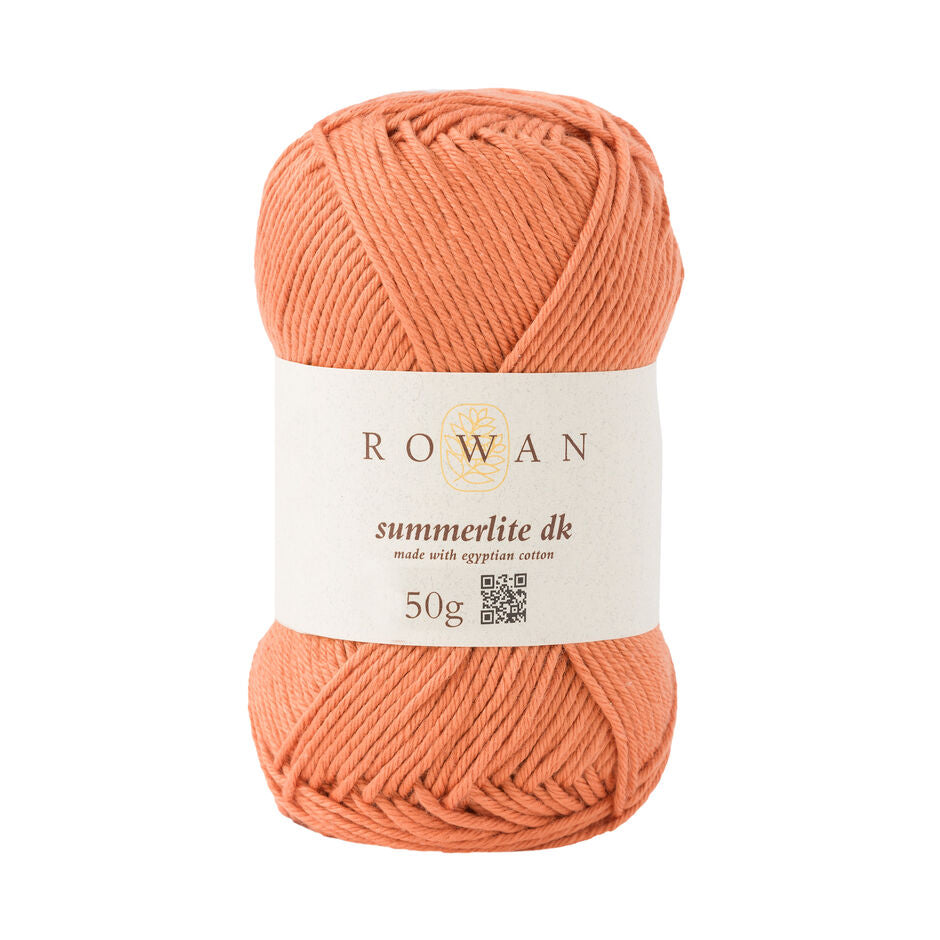
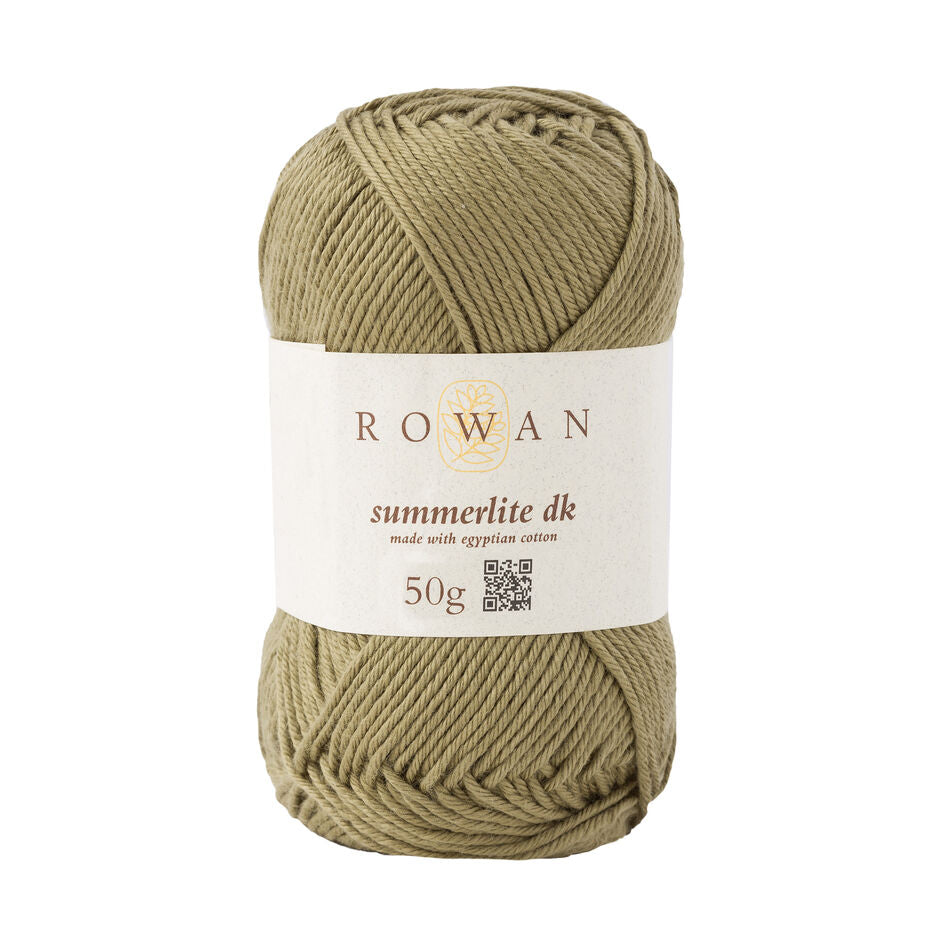
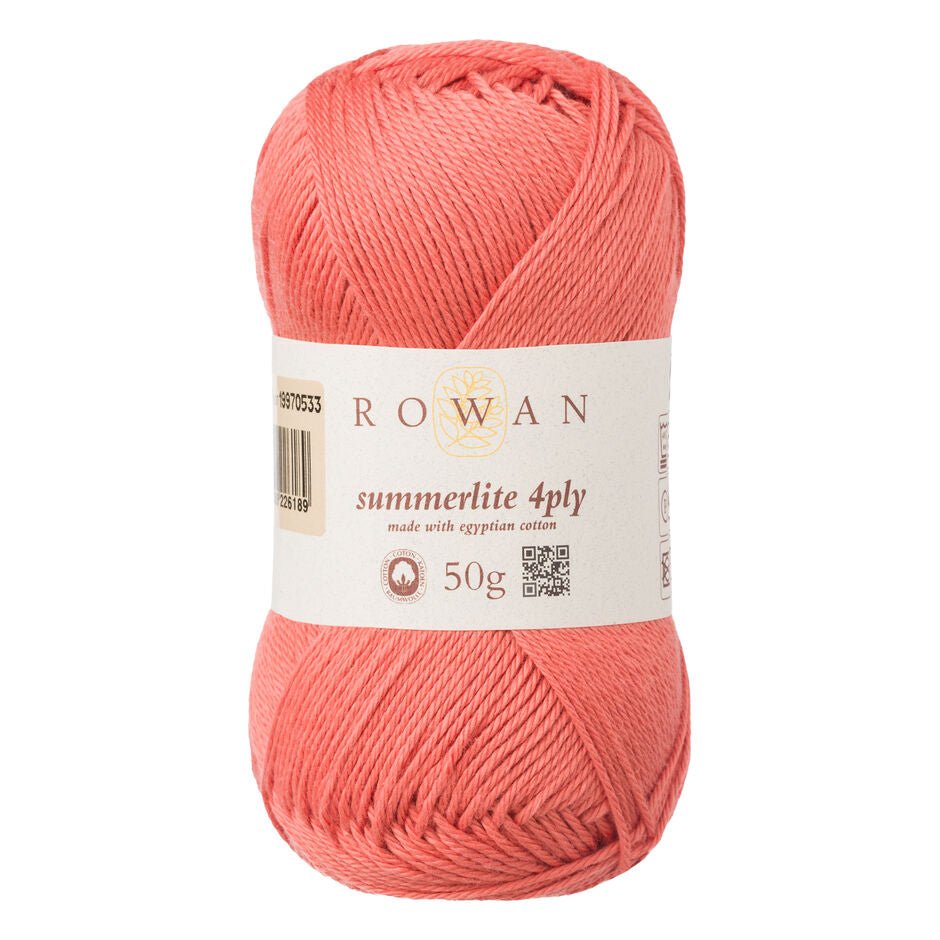
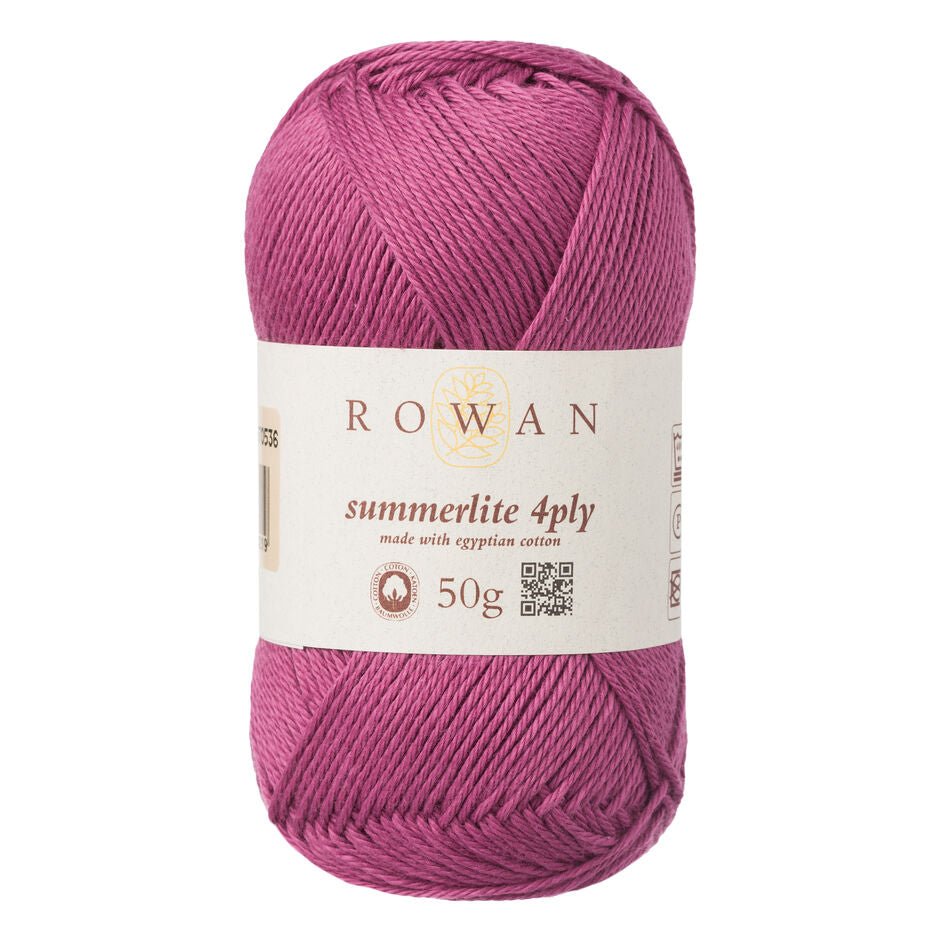
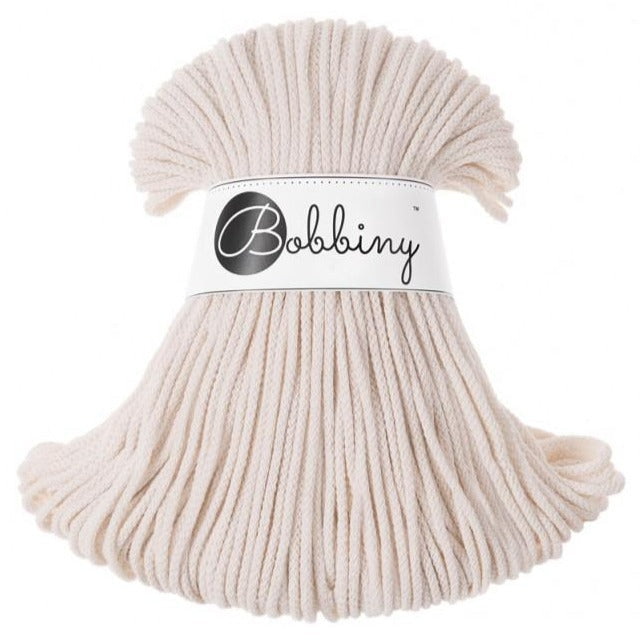
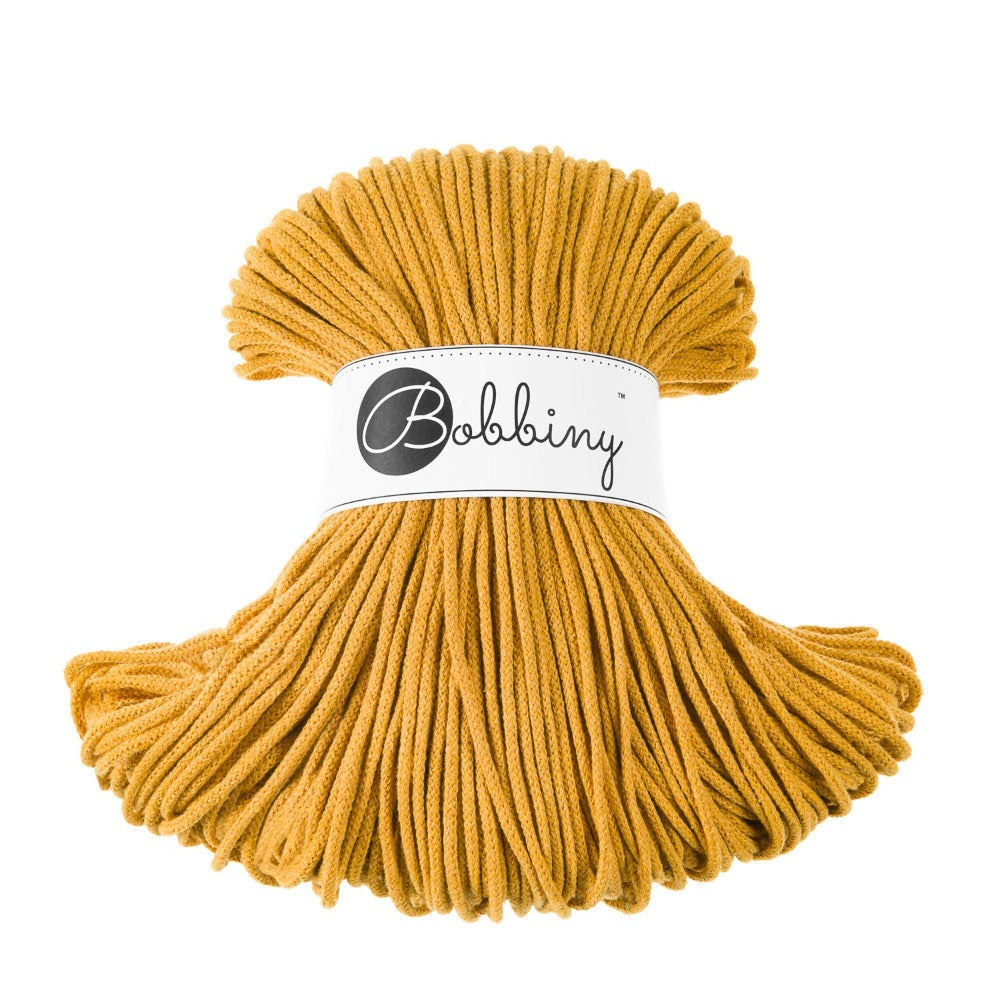
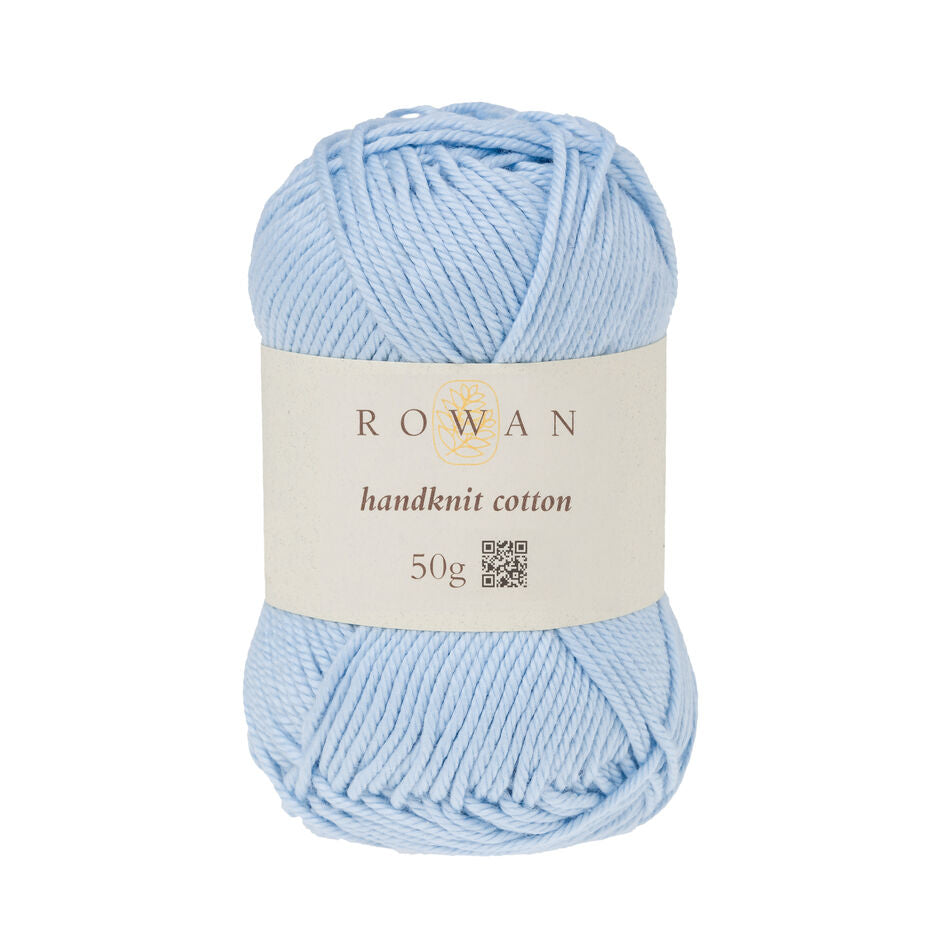
Pure cotton yarn is well suited to projects where easy wash care, breathability, and a firm, stable fabric are priorities — children's garments, kitchen and home textiles, summer tops and vests, and accessories where structure is important. It is available across a wide range of weights, from fine 4 ply and DK to chunky cotton-rope yarns used for home décor.
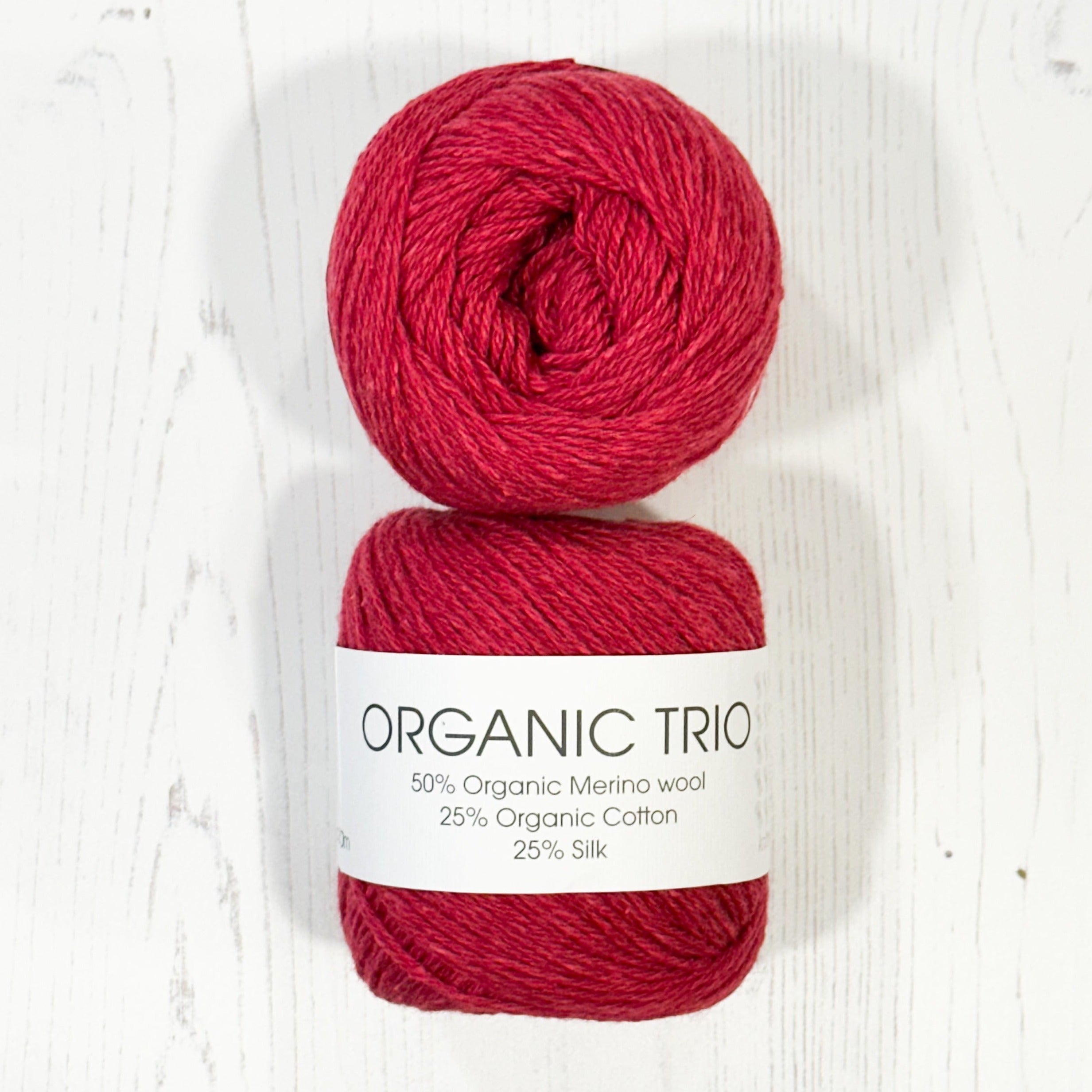
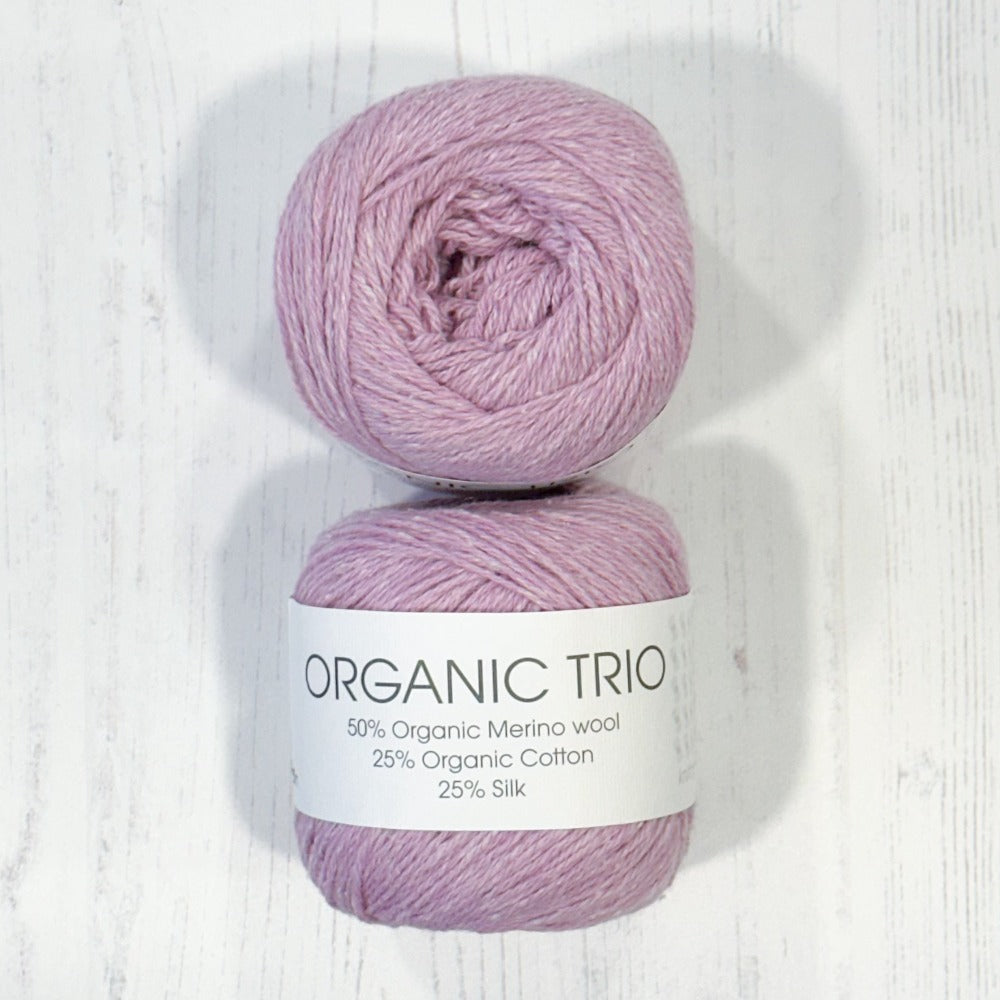
Cotton-blend yarns — most commonly cotton mixed with merino, linen, or acrylic — address some of cotton's limitations while preserving its best qualities. A cotton-merino blend adds elasticity and some of wool's natural temperature regulation to cotton's breathability and washability, producing a yarn that knits more like wool but performs better in warm weather and washes more easily. Cotton-linen blends bring a beautiful textural quality and enhanced drape, well suited to relaxed summer garments and accessories with a slightly rustic, natural aesthetic.
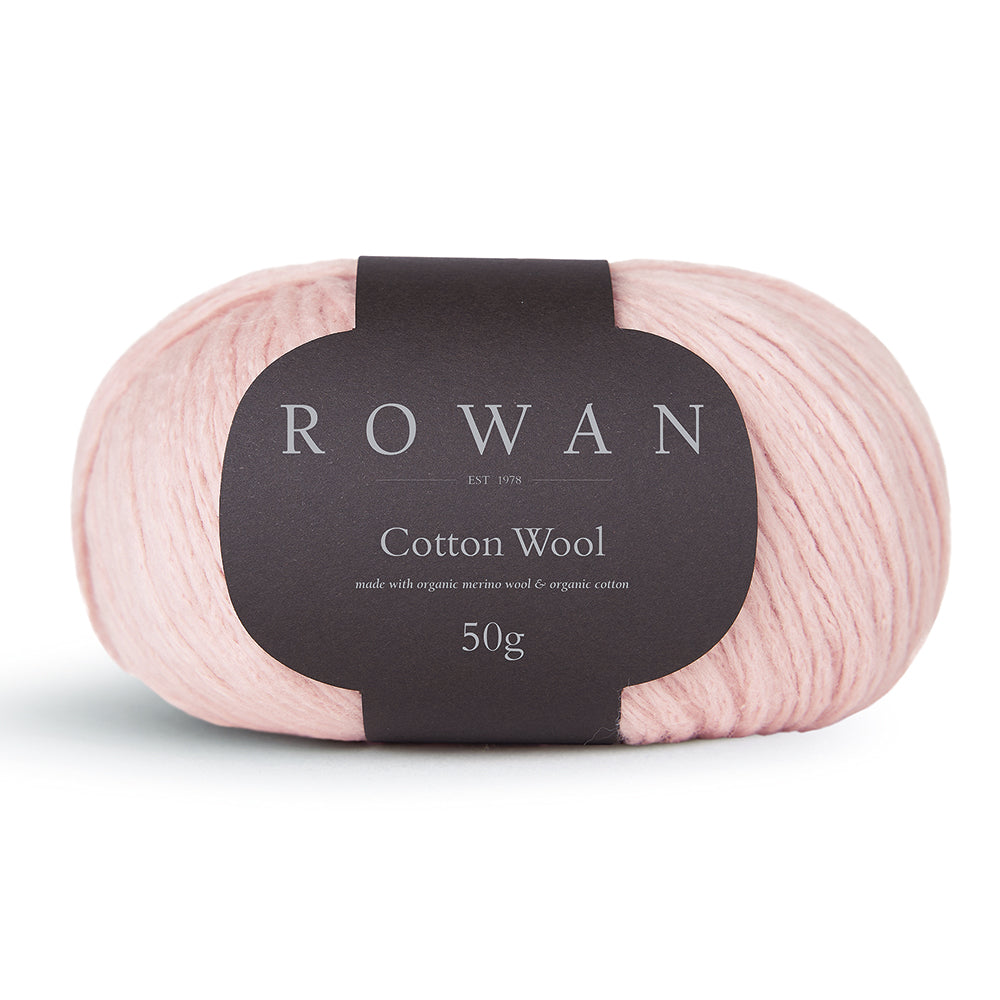
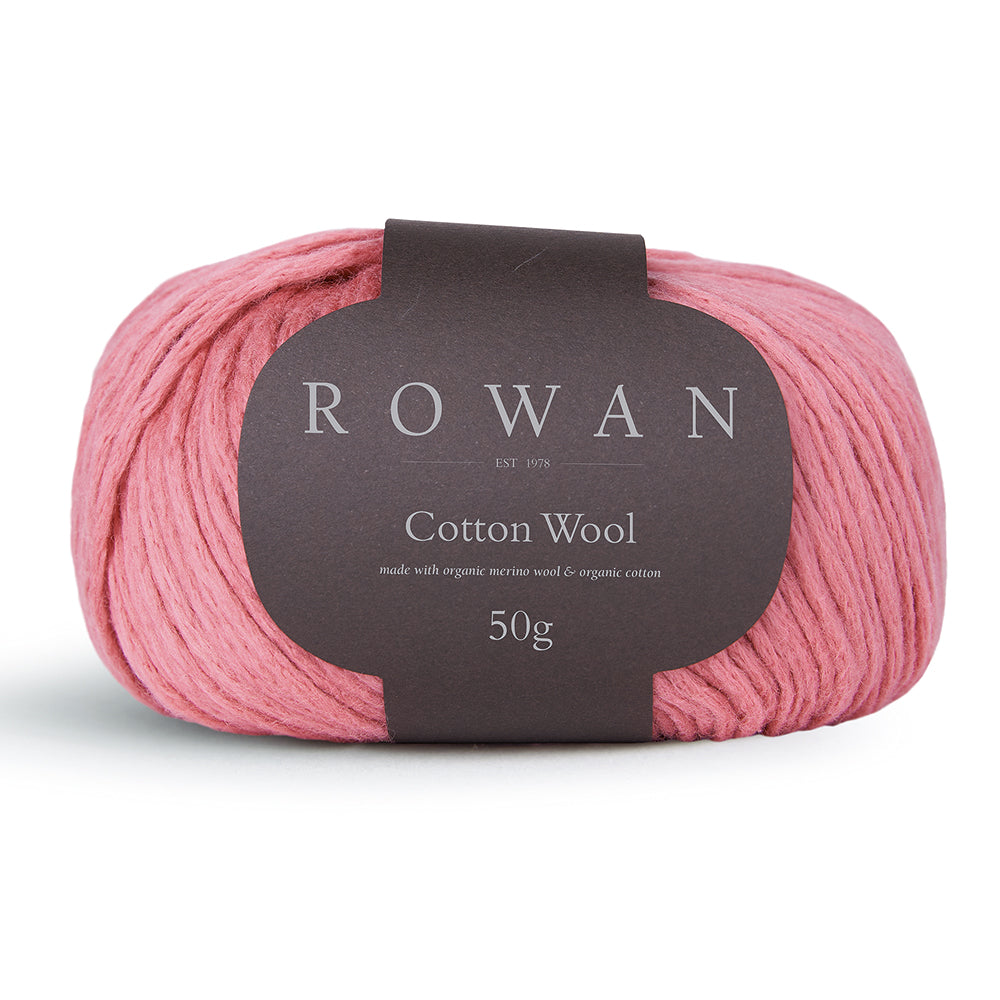
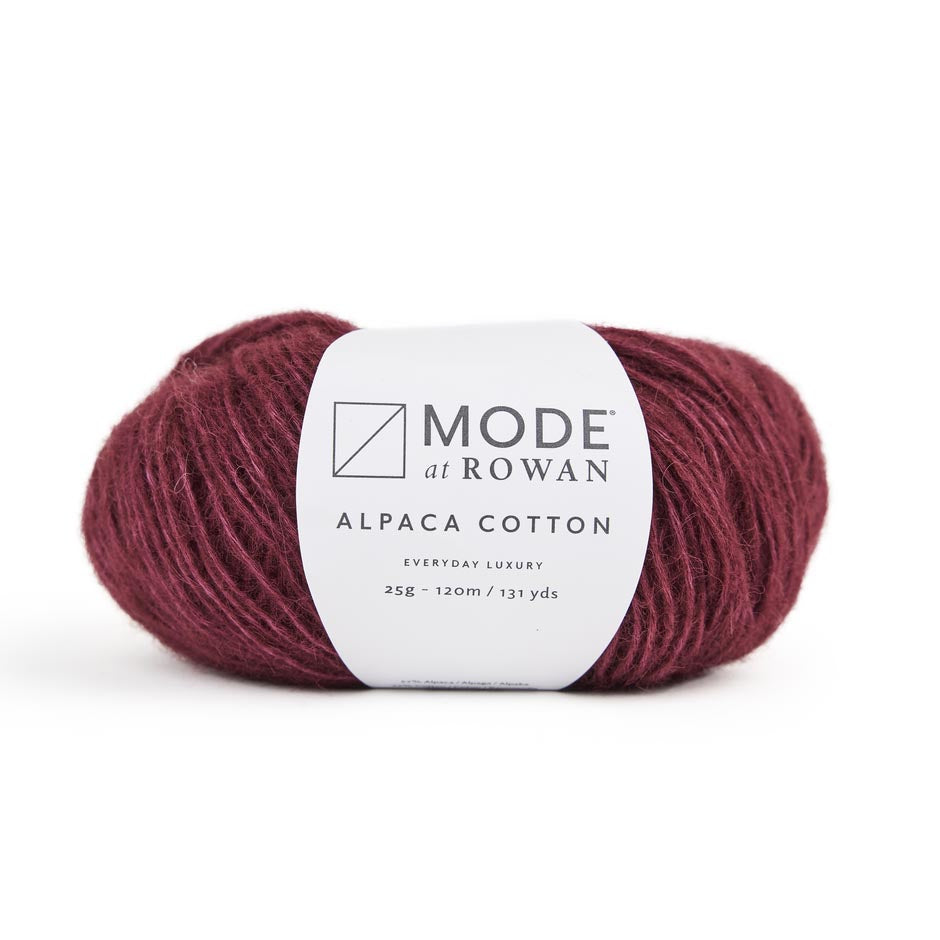
Rowan Cotton Wool is a classic example of the cotton-wool blend approach — one of their most enduring and popular yarns — combining cotton's soft, smooth surface with the elasticity and warmth of wool to produce a yarn that works well year-round and is genuinely easy to wear and maintain.
What Can You Knit with Cotton Yarn?
Cotton yarn covers a wide application range. Summer garments — lightweight tops, vests, cardigans, and t-shirts — are its primary application in knitwear, where breathability and easy wash care are more important than warmth. Children's garments are another strong use case: cotton is hypoallergenic, durable under repeated washing, and available in bright, child-friendly colours that hold well through regular machine washing.
Home décor is a growing application area for cotton yarn. Dishcloths, face cloths, and kitchen accessories are classic cotton knitting projects. Cotton baskets, plant pot holders, cushion covers, and wall hangings have become increasingly popular as part of the broader growth in home craft. Cotton's stability and excellent stitch definition make it ideal for geometric patterns and textured surfaces in home textiles.
For crochet, cotton is particularly well suited — its inelastic nature is less of a disadvantage in crochet than in knitting, and the stitch definition in cotton crochet is excellent.
Browse the full collection above, and explore our related plant-based yarn collection — which includes cotton alongside linen, bamboo, and other natural plant fibres — and our baby yarn collection for cotton and cotton-blend options for children's knitting. Our DK yarn and 4 ply yarn collections also contain cotton and cotton-blend options across all weights.