
Mohair Yarn
What is Mohair Yarn?
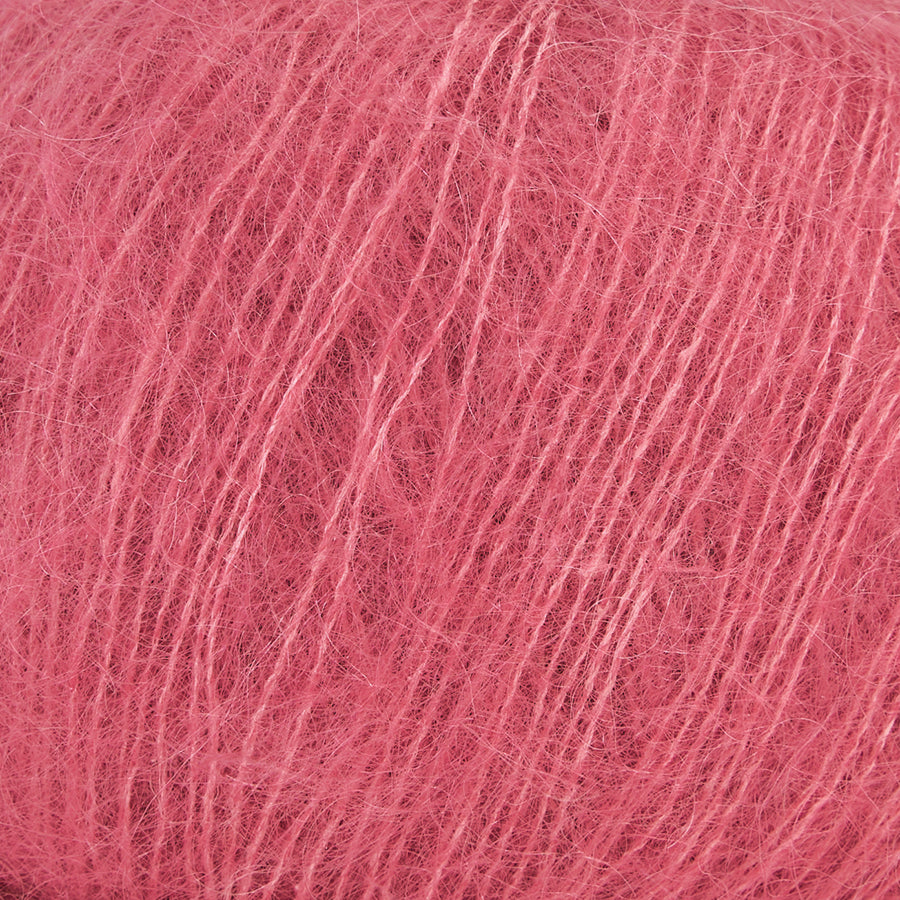
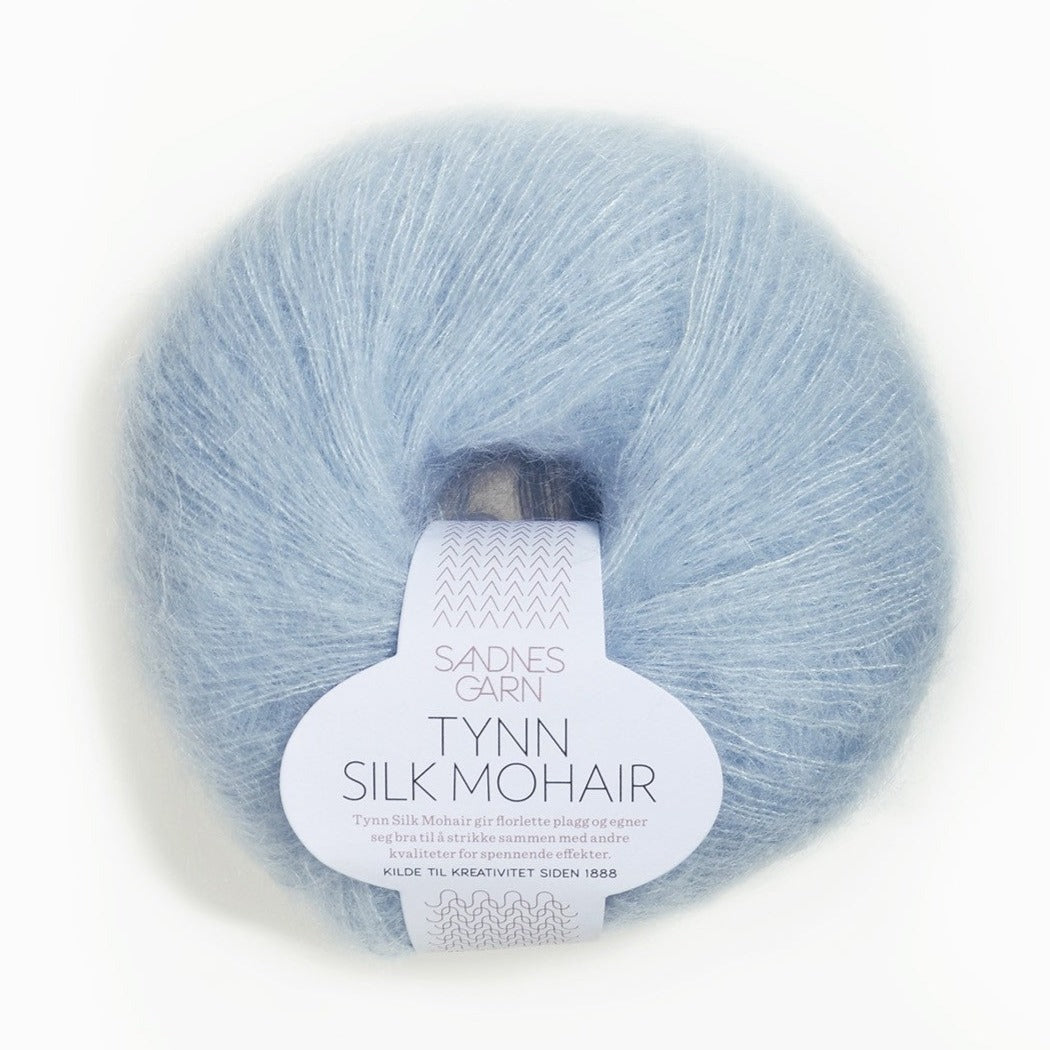
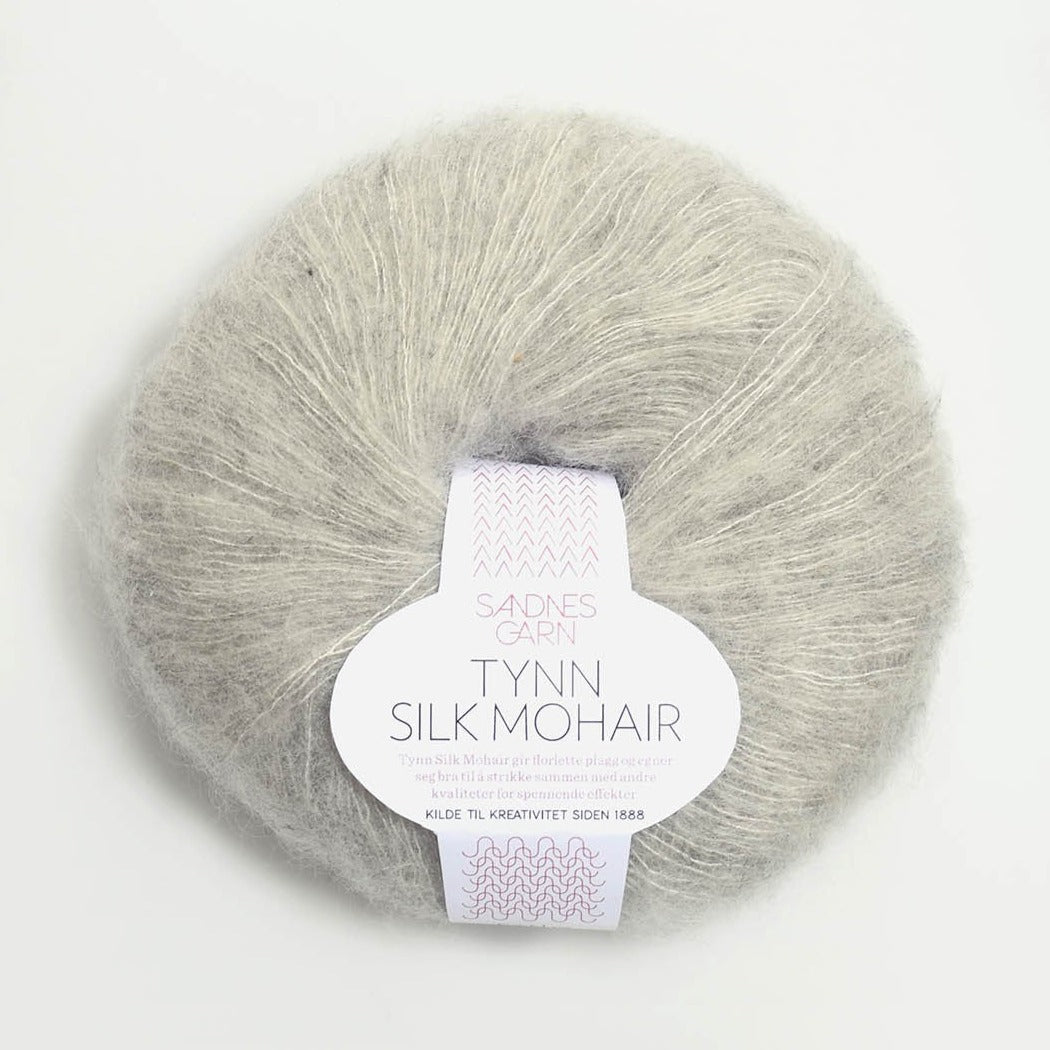
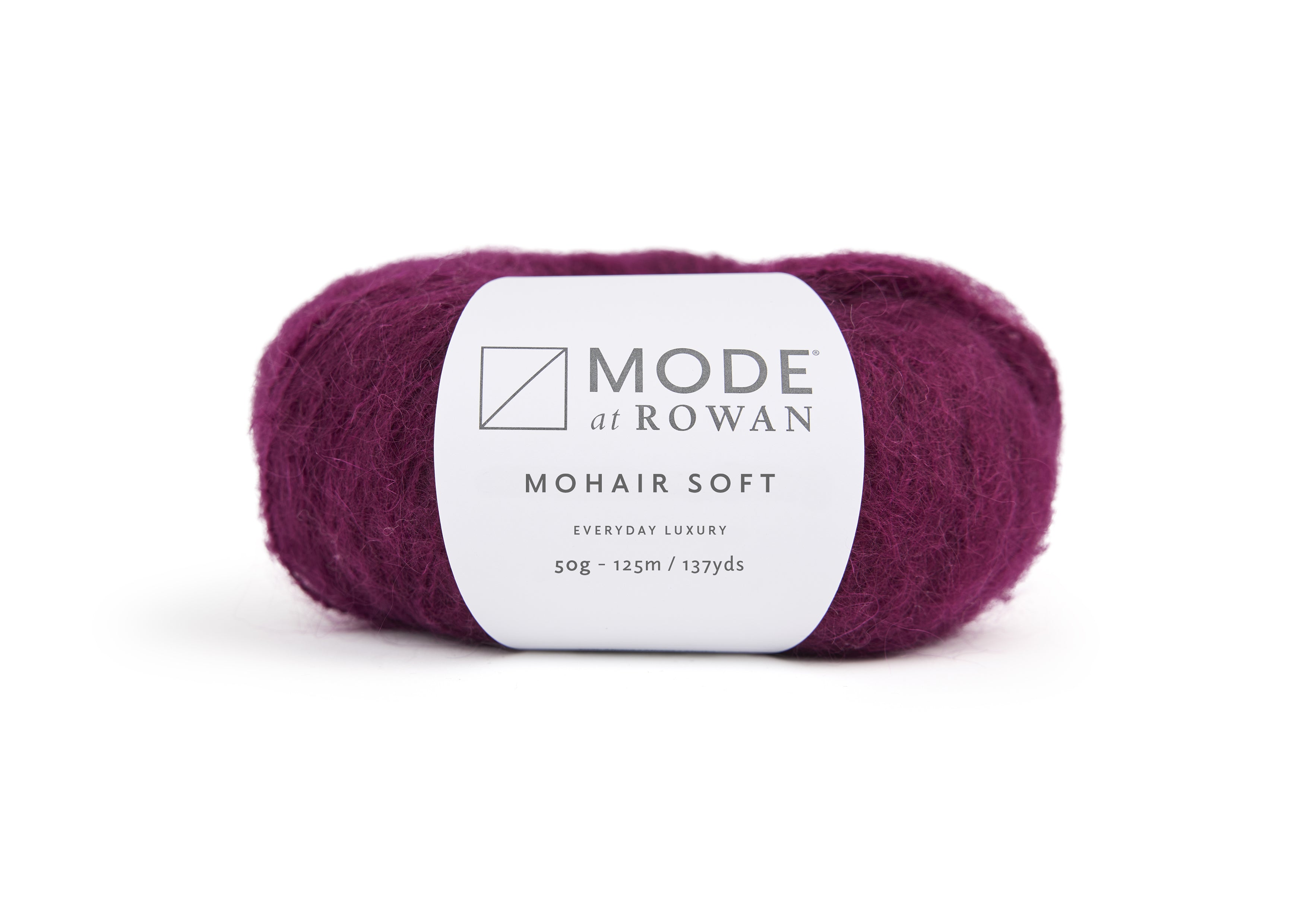
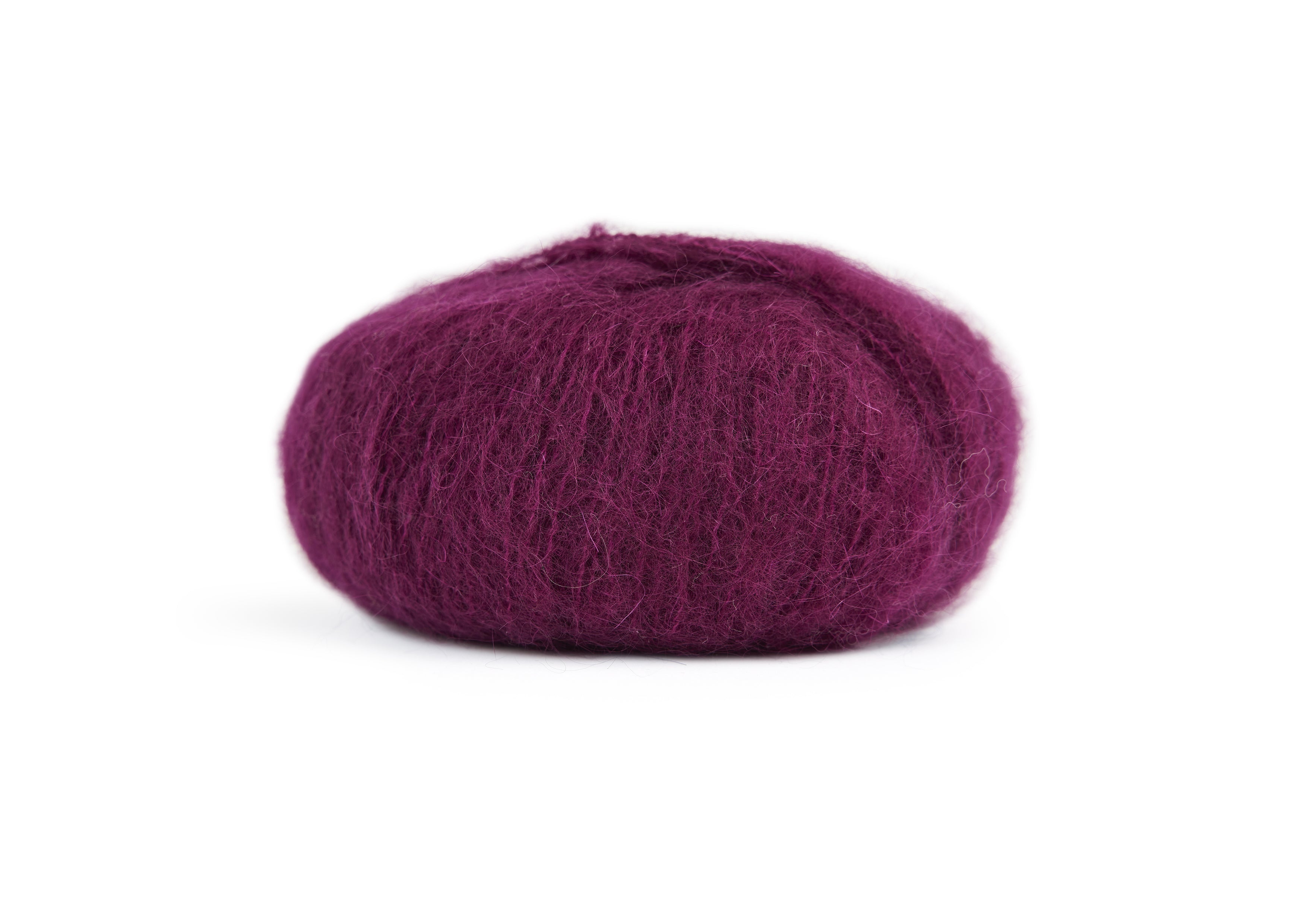
Mohair is a natural protein fibre produced from the fleece of the Angora goat — not to be confused with angora, which comes from the Angora rabbit. It is one of the most distinctive fibres in knitting for one defining reason: its halo. Mohair fibres are long, fine, and lustrous, and they bloom away from the spun yarn to create a soft cloud of fibre around the knitted fabric — a quality no other natural fibre can replicate to the same degree.
Mohair comes in two main grades that behave quite differently from one another. Regular mohair is sheared from adult Angora goats and has a longer, slightly coarser fibre with a robust handle and excellent durability. Kid mohair is sheared from young goats — kids — and produces a noticeably finer, softer fibre that is far gentler against the skin. For most knitting applications, kid mohair is the preferred grade: it is soft enough for garments worn close to the face and neck, produces a more delicate halo, and blends beautifully with silk to create some of the most popular and versatile yarn bases in contemporary knitting.
Kid Mohair-Silk: The Contemporary Knitter's Essential
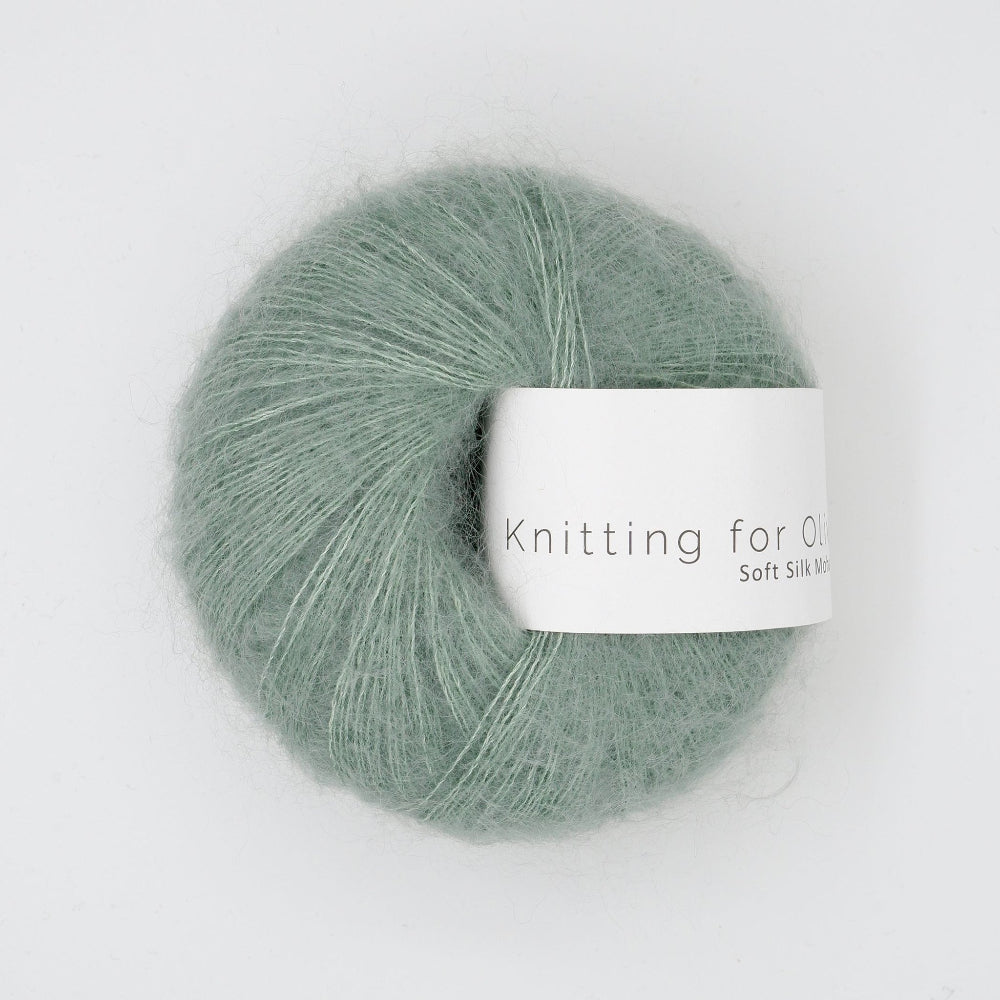
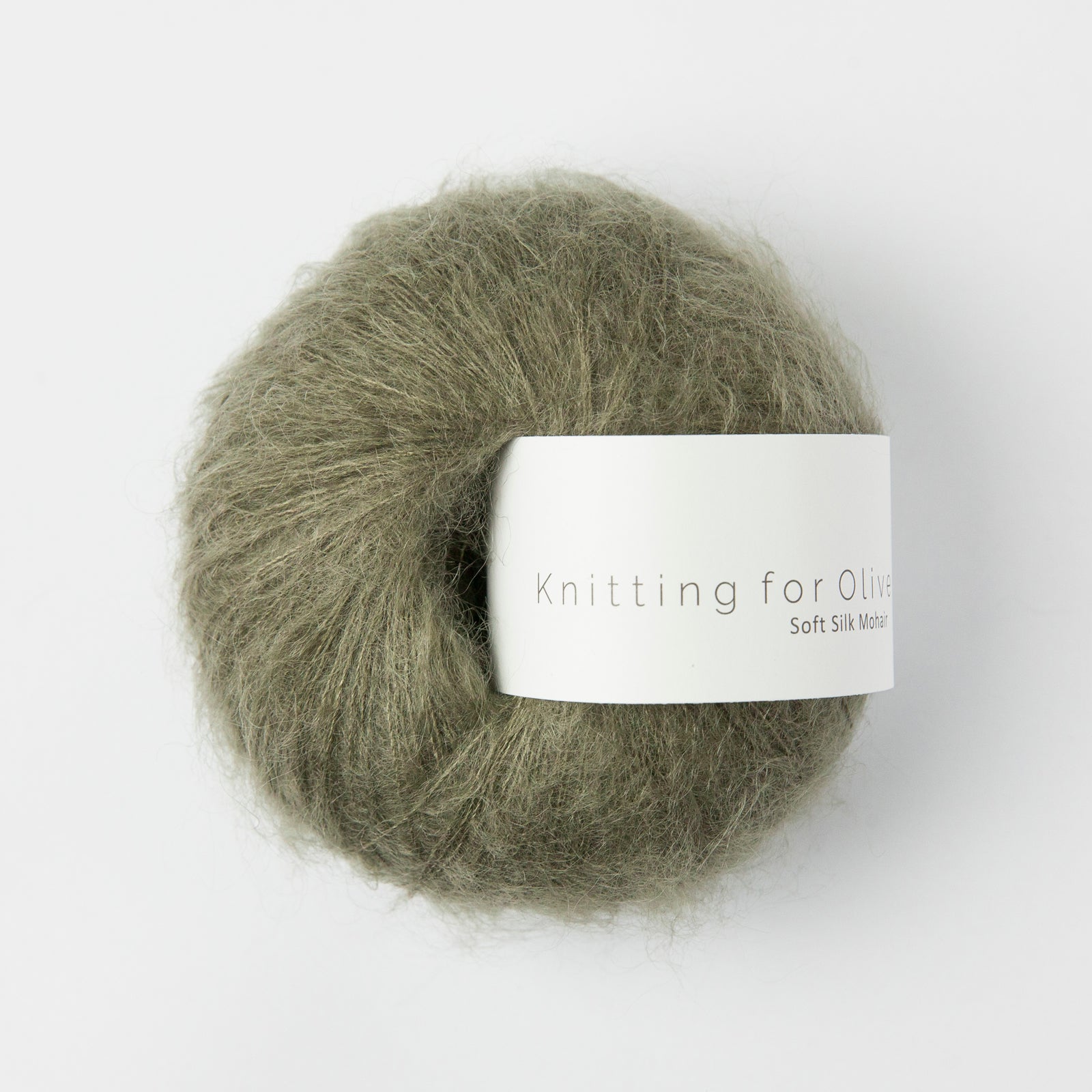
The combination of kid mohair and silk — typically blended at approximately 70% kid mohair and 30% silk — has become one of the most widely used and beloved yarn types in modern knitting. The silk adds weight, lustre, and a slight stabilising structure to the mohair, producing a yarn that drapes beautifully, catches light with a distinctive sheen, and knits up to a fine, gauzy fabric when used alone.
Where this yarn type has truly found its place, however, is held double alongside another yarn. The technique of holding a fine kid mohair-silk together with a DK, 4 ply, or Aran-weight main yarn — simultaneously on the same needles — adds a soft halo, warmth, and a subtle luxury to the finished fabric without dramatically changing the gauge or the pattern. It is the technique behind the distinctive surface quality of many of the most photographed Scandinavian knitwear designs, and it is the primary reason that brands like Knitting for Olive, Isager, and Drops have made fine mohair-silk a central part of their yarn offering.
What Can You Knit with Mohair Yarn?
Mohair yarn — particularly fine kid mohair-silk — is most commonly used for shawls, wraps, and lightweight cardigans where its drape and halo create a fabric that is both visually beautiful and surprisingly warm without weight. A shawl knitted in a fine mohair-silk at a loose tension produces a gauzy, cloud-like fabric that drapes over the shoulders and catches light with every movement.
Held double with a main yarn, kid mohair-silk opens up the full pattern library — any sweater, cardigan, or accessory can be given a mohair overlay simply by adding a strand of mohair to the existing yarn. This is particularly popular with Scandinavian colourwork patterns, where the mohair adds warmth and softness to a stranded fabric, and with textured stitch patterns, where the halo softens and blurs the surface in an appealing way.
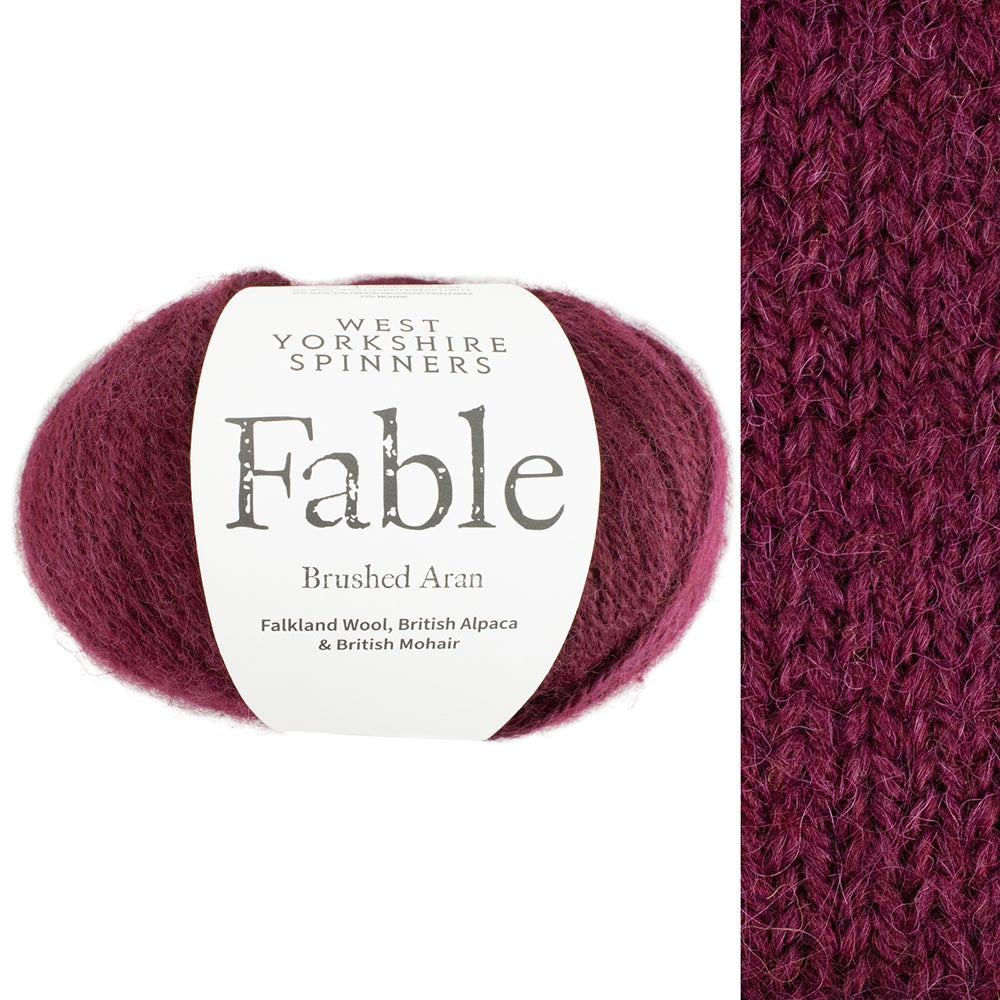
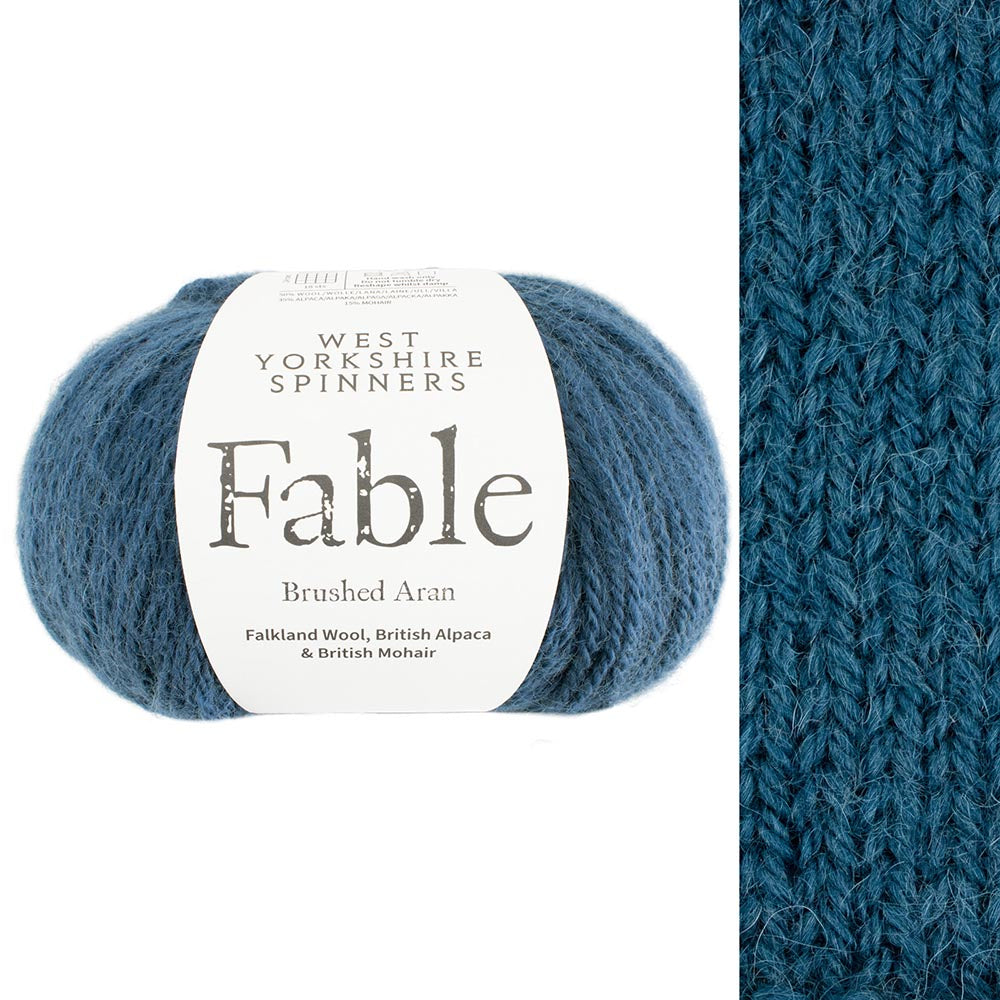
Brushed mohair — a heavier grade of mohair that has been mechanically brushed to maximise the halo — is well suited to oversized sweaters, cosy cardigans, and blankets where a very substantial, cloud-like surface effect is desired. It produces an extremely warm, tactile fabric with a strong visual impact and suits relaxed-fit designs rather than structured, precise-fit garments.
Scotland's climate — damp, changeable, and genuinely cold for much of the year — makes mohair a particularly useful fibre. Its natural warmth relative to its weight means that a mohair-blend shawl or lightweight sweater provides real insulation without the bulk of heavier wool garments, making it ideal for layering across the seasons.
Mohair Yarn Brands at The Orry Mill
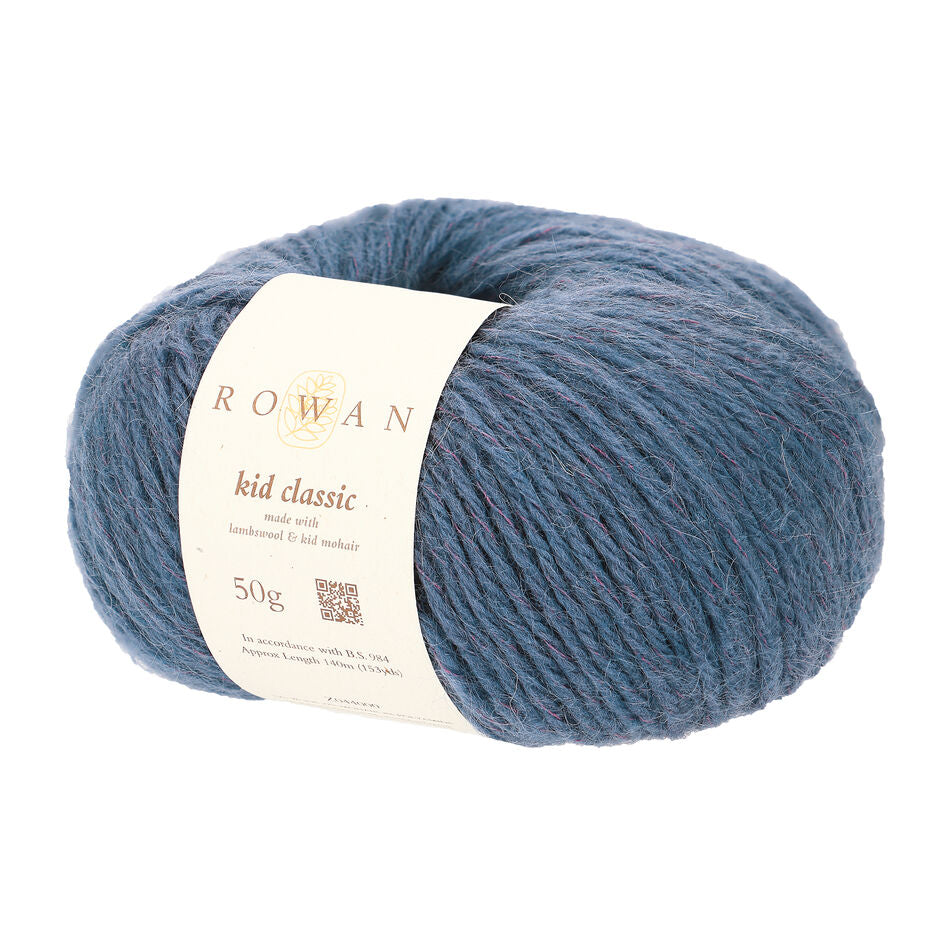
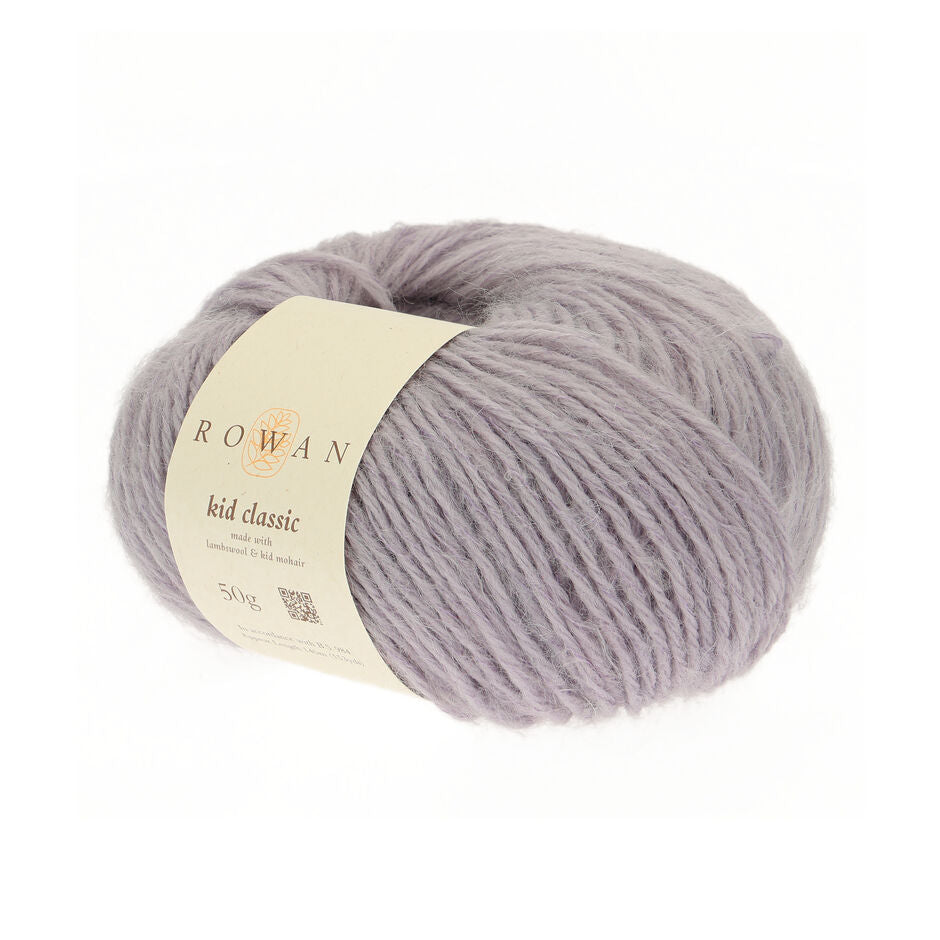
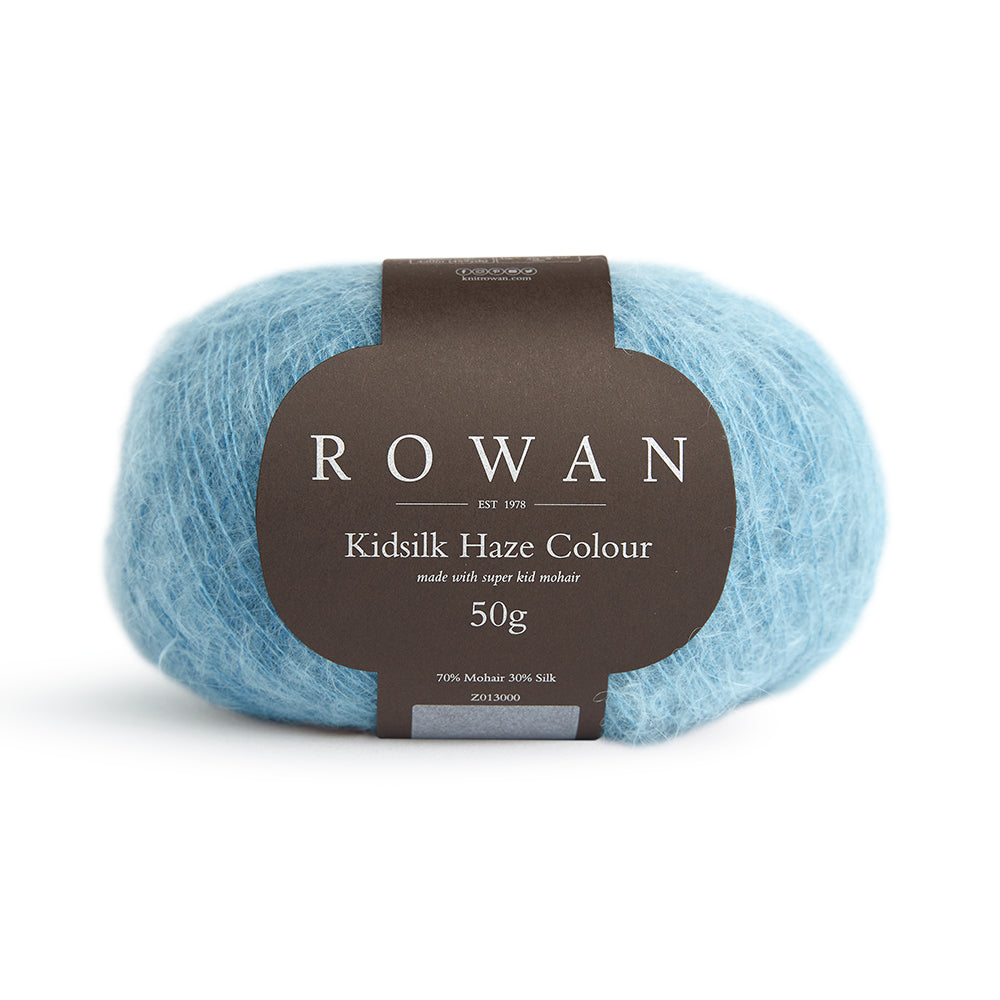
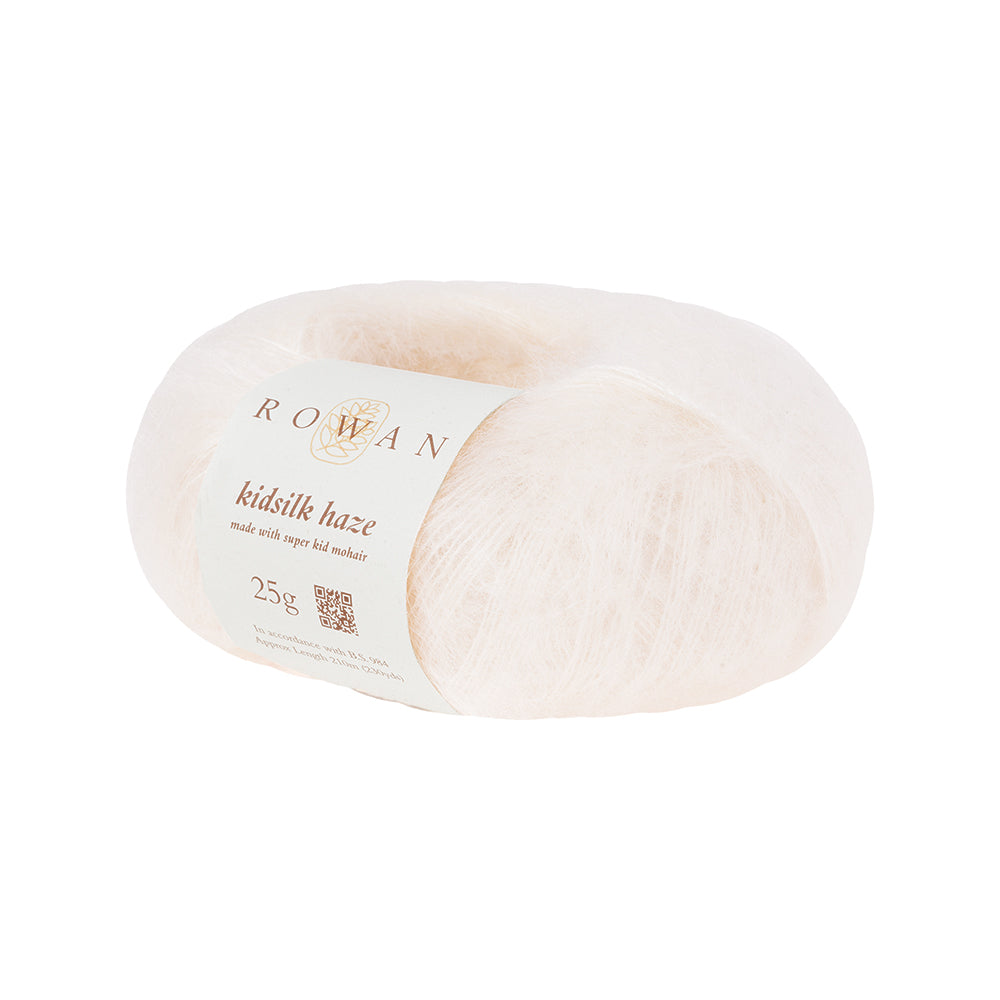
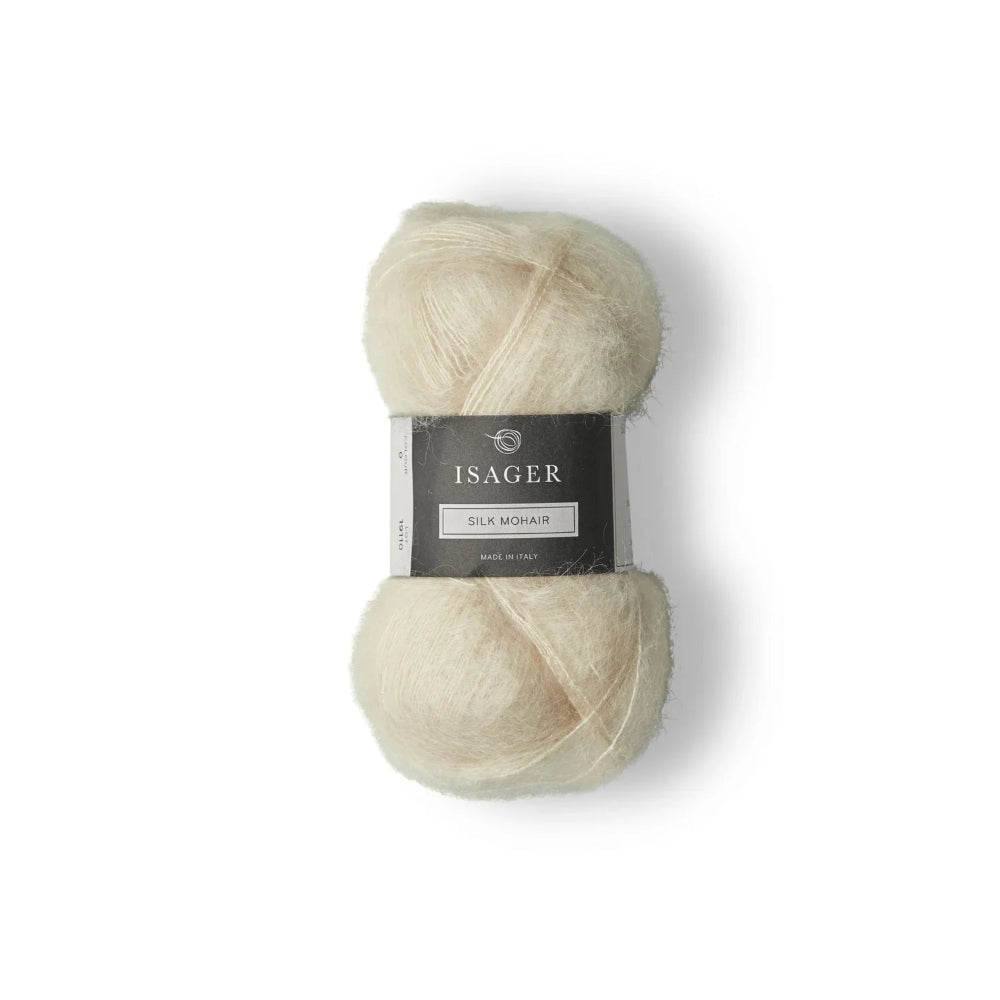
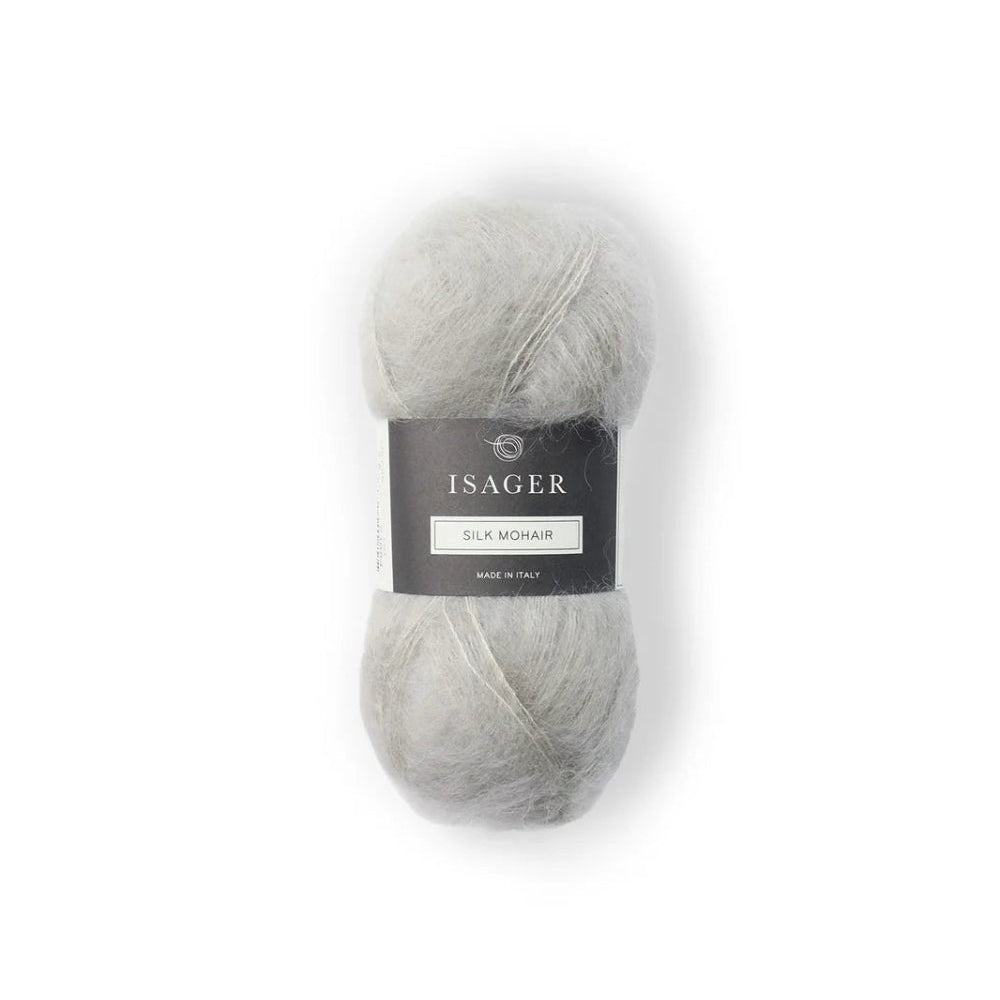
Our mohair collection spans the range from fine lace-weight kid mohair-silk blends to heavier brushed mohair bases, sourced from brands selected for their fibre quality and colour range. Rowan carries several mohair options including their iconic Kidsilk Haze, one of the original kid mohair-silk yarns and still a benchmark for the category. Isager brings a Nordic sensibility with their fine mohair bases, well suited to the types of contemporary shawl and colourwork designs their patterns are known for. Drops and Knitting for Olive complete the range, offering accessible and premium options respectively for knitters at all levels.
Browse the full collection above, and explore related collections including our lace yarn, 4 ply yarn, alpaca yarn, and silk yarn — or find a pattern to showcase your mohair from our shawl and wrap patterns.