
Organic Yarn
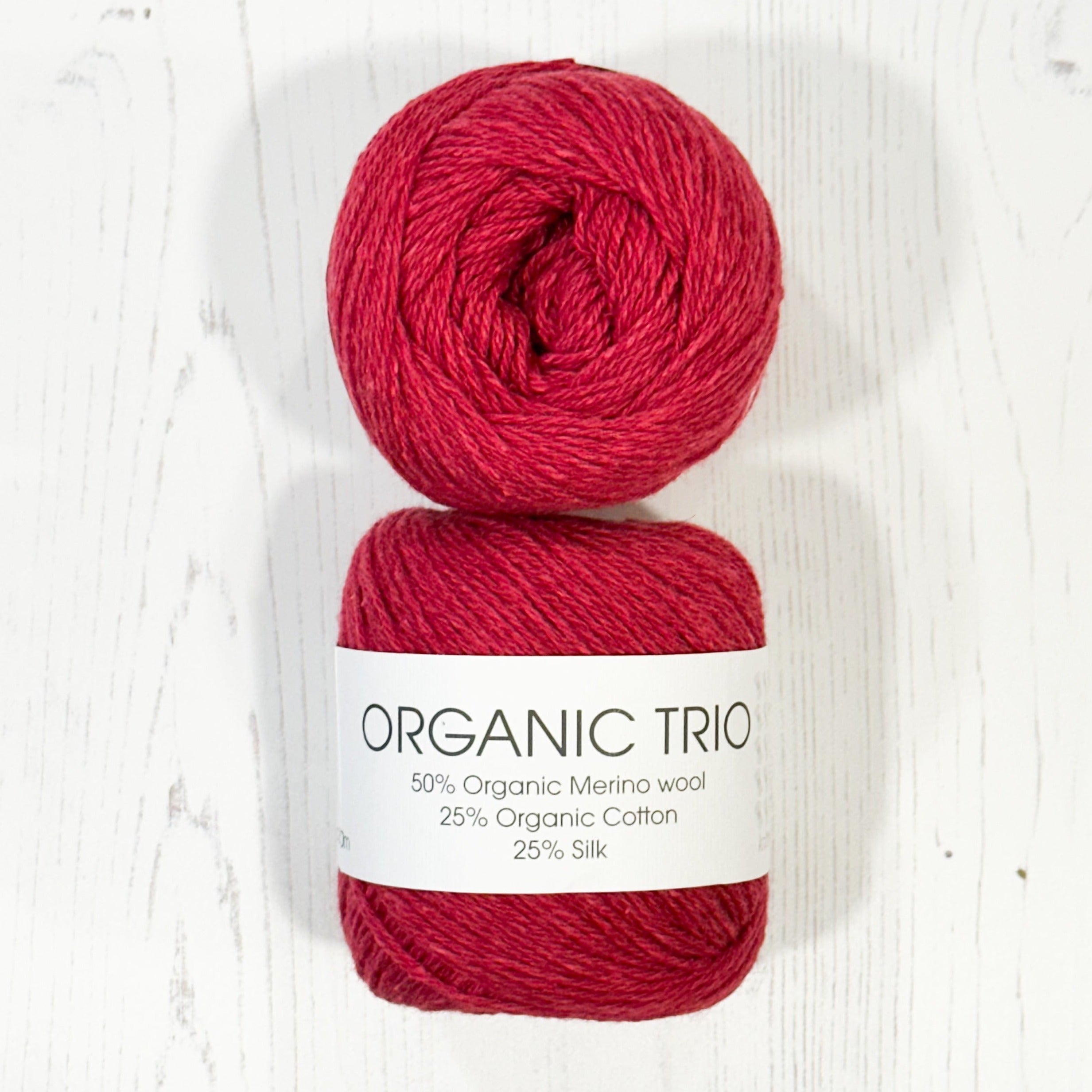
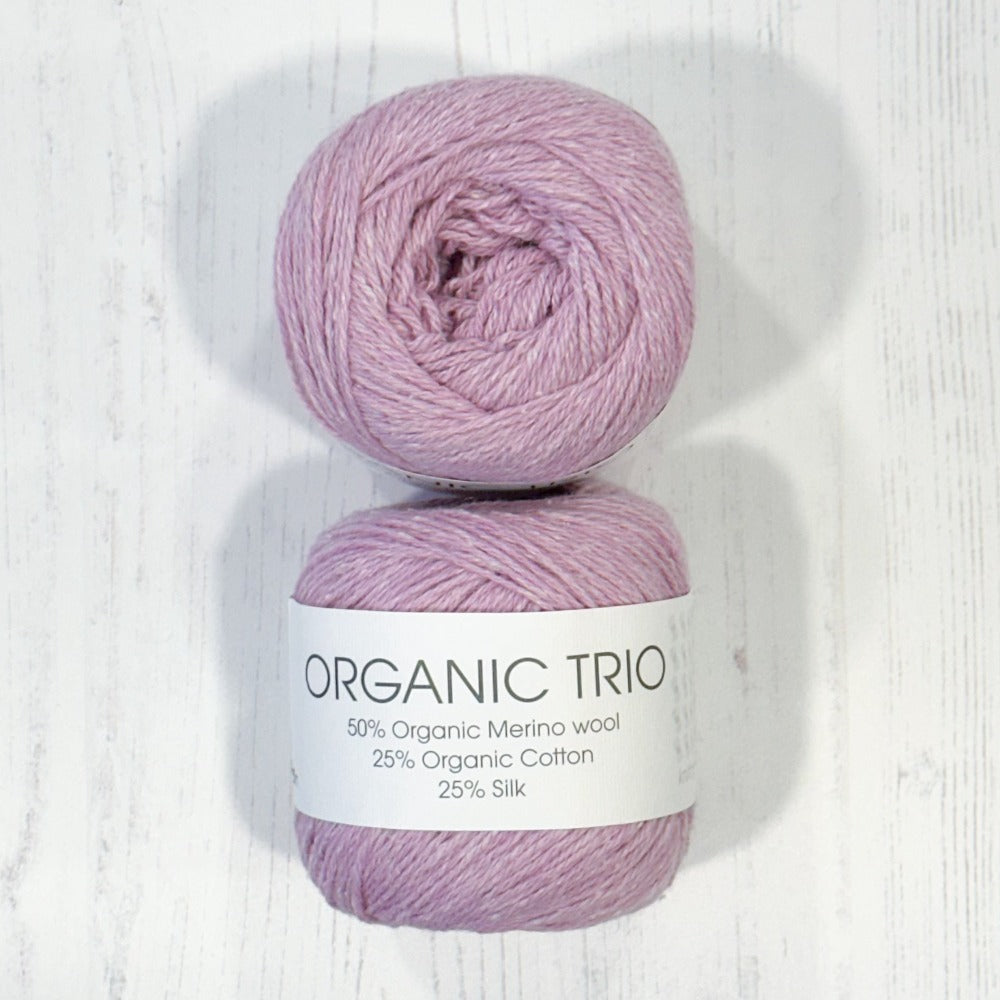
What Does Organic Mean in Yarn?
The word "organic" is used broadly in marketing, but in yarn it has a specific and meaningful definition when properly certified. Organic yarn is produced from fibres — most commonly wool, cotton, or linen — grown under certified organic agricultural standards that prohibit the use of synthetic pesticides, herbicides, and fertilisers. The land must be managed without these inputs for a minimum period (typically three years in most certification frameworks) before the crops or livestock produced on it can carry an organic certification.
For wool, organic certification typically means the sheep are grazed on certified organic pasture, are not treated with synthetic dips or antiparasitic chemicals, and are managed under animal welfare standards that go beyond conventional farming practice. For cotton, it means the plants are grown without genetically modified seed varieties and without the synthetic pesticide and fertiliser inputs that are associated with significant environmental and human health concerns in conventional cotton production.
The most widely recognised certification bodies for organic textiles are the Global Organic Textile Standard (GOTS) and the Organic Content Standard (OCS). GOTS is generally considered the more rigorous of the two — it covers not only the growing stage but the entire processing chain, including spinning, dyeing, and finishing, with restrictions on the dyes and chemicals that can be used at each stage. An OCS certification covers the origin of the raw fibre but does not necessarily govern the processing steps, so a GOTS-certified yarn typically represents a higher level of end-to-end assurance than OCS alone.
Is Organic Yarn the Same as Natural Yarn?
Not necessarily, and the distinction matters. All organic yarns are made from natural fibres, but not all natural yarns are organic. A 100% merino wool yarn — made from pure natural fibre with no synthetic components — may be produced using conventional farming practices that include synthetic pesticides and antiparasitic treatments. It is "natural" in the sense that the fibre is not synthetic, but it is not organic unless the production meets certified organic standards.
Similarly, a yarn can be marketed as "eco" or "sustainable" without carrying organic certification — claims that are worth scrutinising carefully. Organic certification provides an independently verified, standardised baseline that marketing language alone does not. When a product carries a recognised organic certification such as GOTS, it means an independent auditor has verified the claims against published standards, which is a meaningfully different level of assurance than an uncertified brand claim.
For knitters in Scotland and the UK who are making purchasing decisions partly on environmental grounds, understanding these distinctions helps avoid the frustration of buying what looks like a responsible choice and later discovering the certification basis is weaker than expected.
Organic Yarn Fibres Available
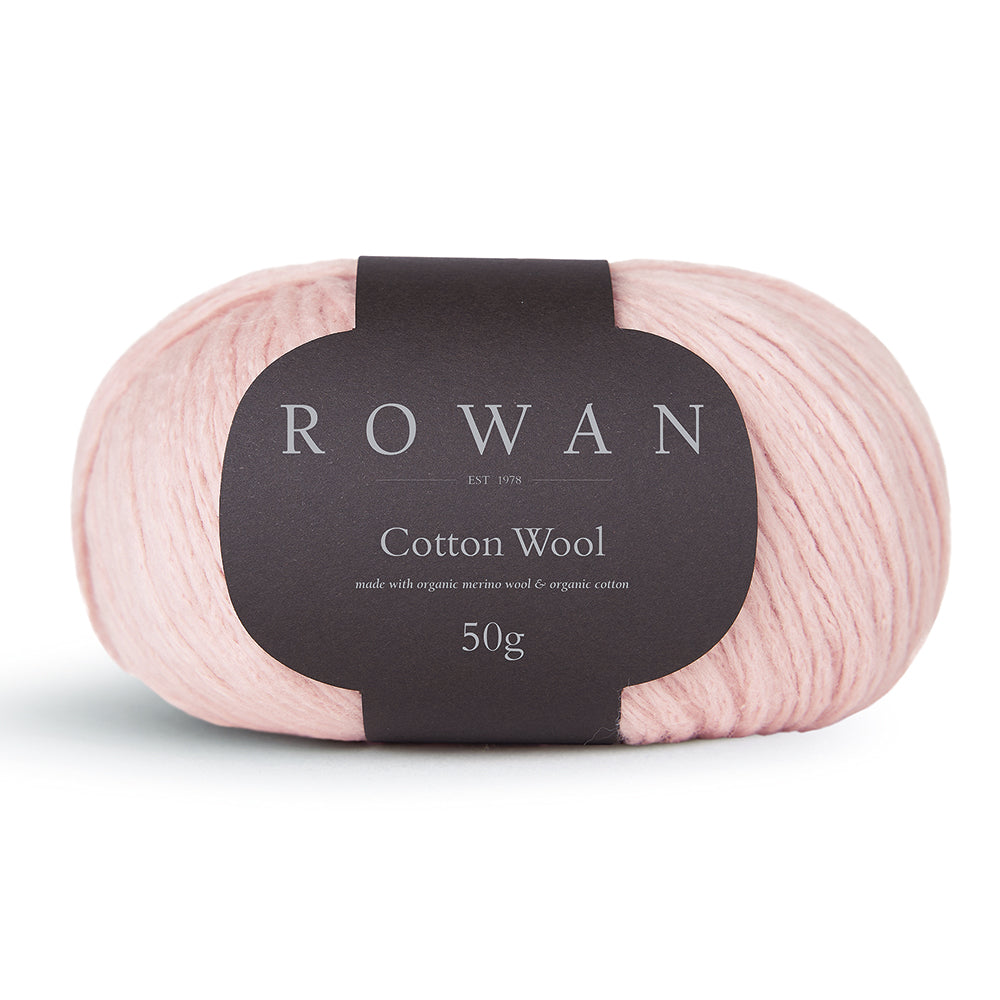
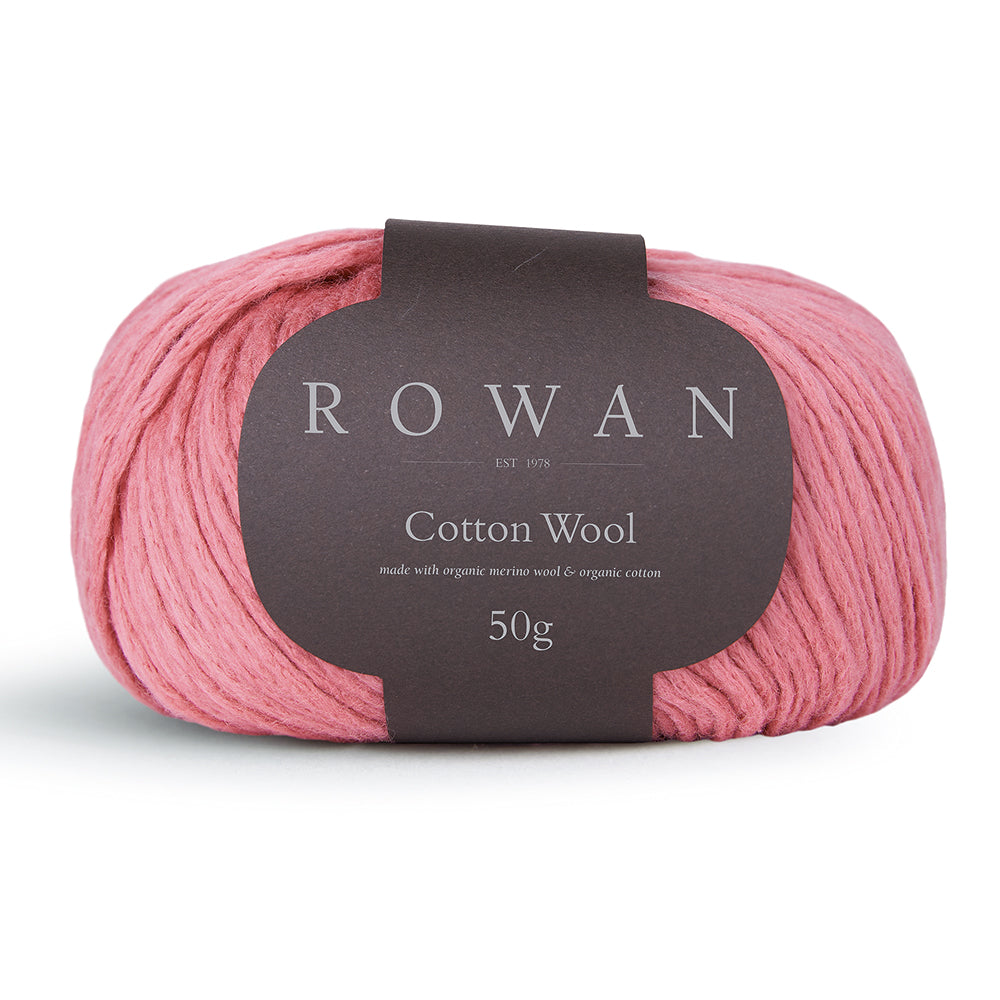
Organic wool is the most widely available certified organic yarn fibre in the UK knitting market. Several established brands produce GOTS or equivalent certified organic wool yarns at DK and Aran weights, making it possible to find an organic option for most standard knitting projects without significant compromise on knittability or colour range.
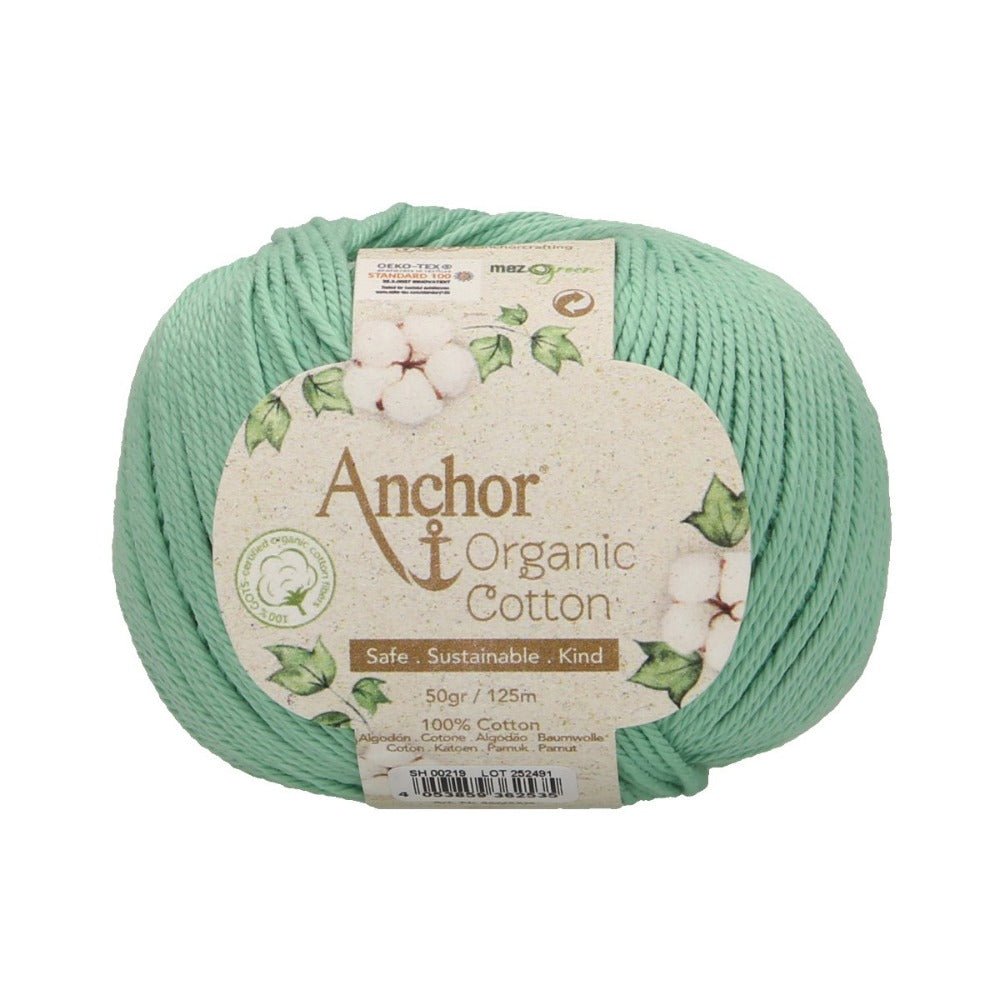
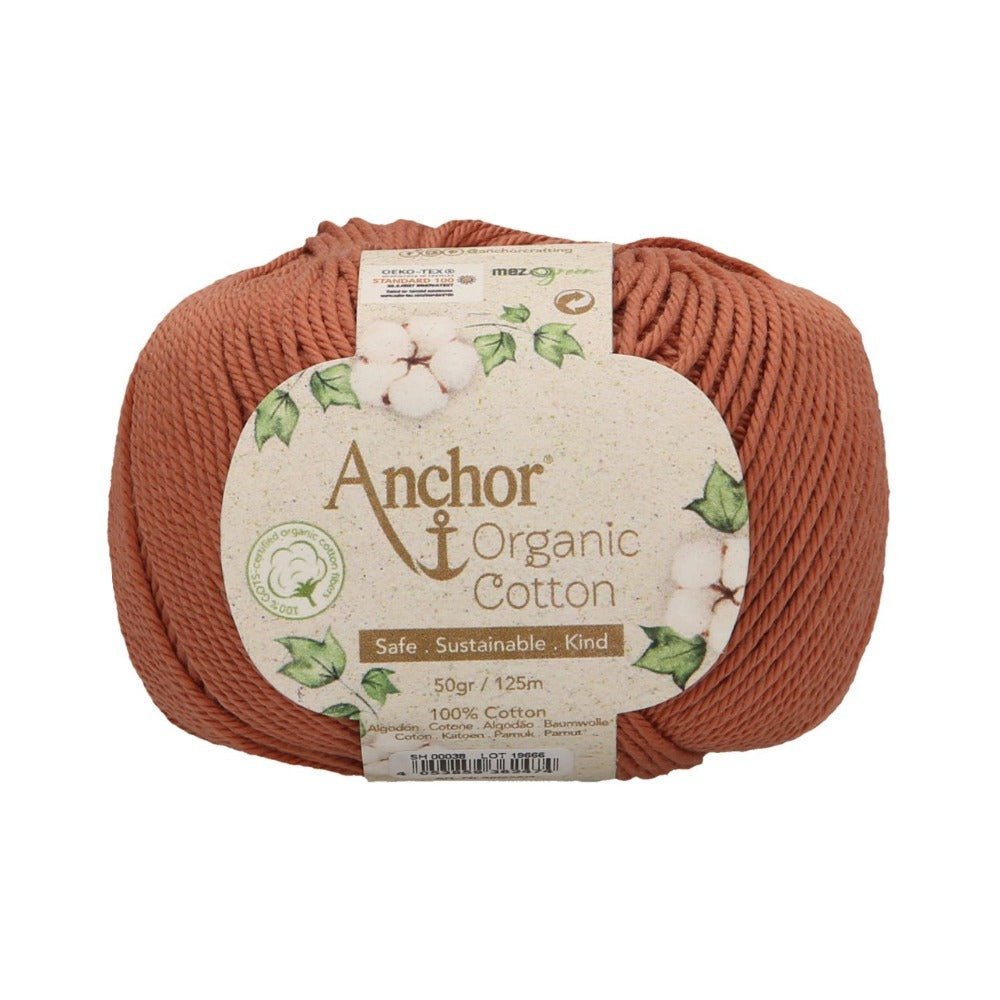
Organic cotton is the second most common certified organic yarn fibre. It is particularly relevant for baby knitting — an area where conscious parents are often most interested in knowing the production standards of the materials used — and for home textiles and summer garments. Organic cotton is grown without the synthetic inputs that have made conventional cotton farming one of the most chemically intensive forms of agriculture globally.
Organic linen and organic alpaca are less widely available but do exist within specialist and premium yarn ranges. Where these are stocked, they are included in this collection.
Our Commitment to Transparency
At The Orry Mill, sustainability is part of our longer-term direction as a business, not just a product category. Our own Orry Yarn — 100% merino DK, spun at Laxtons of Bradford — is working towards a traceable and sustainable production roadmap, including plans for a QR code on the ball band that connects the yarn back to the flock of origin. We recognise that genuine sustainability is a journey rather than a single claim, and we believe knitters are best served by honest information about what products are certified, what is in progress, and where the gaps remain. Browse the Orry Yarn collection to learn more about our own-brand yarn and its production story.
For a broader view of natural and plant-based yarns, explore our plant-based yarn, cotton yarn, wool yarn, and merino yarn collections alongside this one.