
Silk Yarn
What is Silk Yarn?
Silk is a natural protein fibre produced by the silkworm — specifically the larva of the Bombyx mori moth — which spins a continuous filament of extraordinary length to form its cocoon. That filament, when reeled and spun into yarn, produces the defining characteristics that have made silk one of the most prized textile fibres in the world for over five thousand years: a deep, natural lustre caused by the triangular prism-like structure of the fibre that refracts light; a smooth, cool handle unlike any other natural fibre; and a drape and fluidity that synthetic alternatives have never convincingly replicated.
In knitting, pure silk yarn is used less frequently than silk blends — its lack of elasticity and relatively high cost per metre make it demanding to work with and expensive to produce large-scale projects in. Where silk truly excels in the knitting world is in blended form, where a proportion of silk enhances the properties of the fibre it is blended with in very specific ways: adding lustre and weight to mohair, increasing drape and sheen in merino and cashmere, and providing a stabilising structure to otherwise very fine or delicate fibre combinations.
The Principal Silk Blends in Knitting
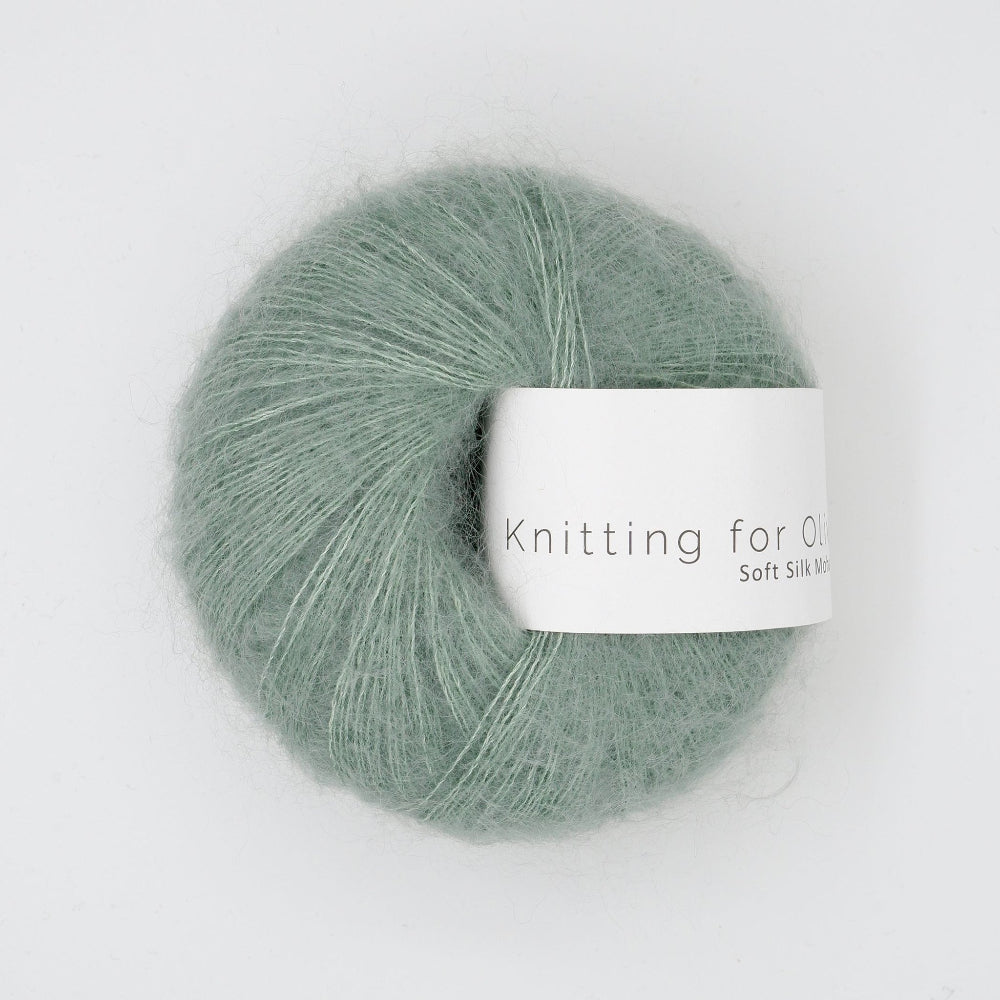
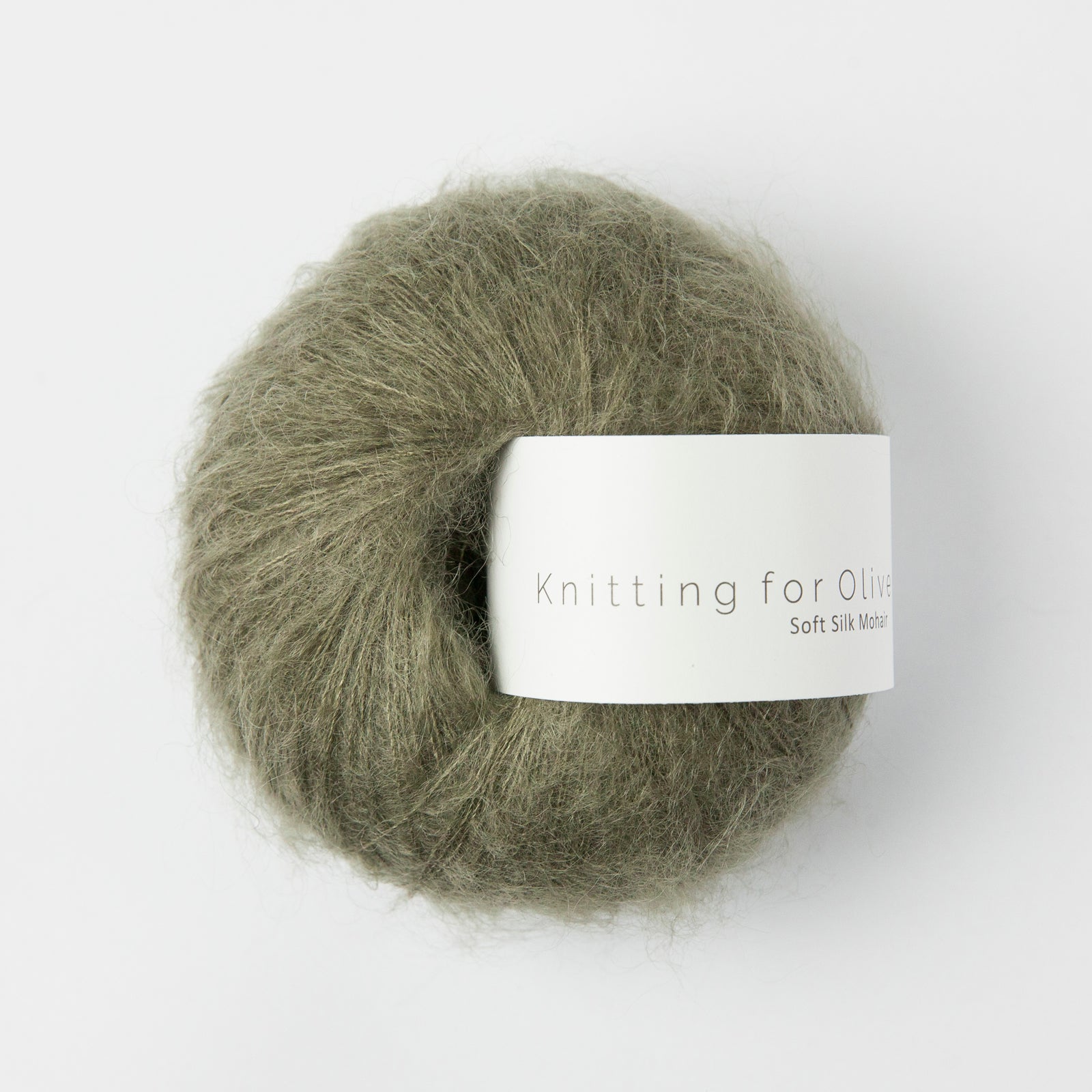
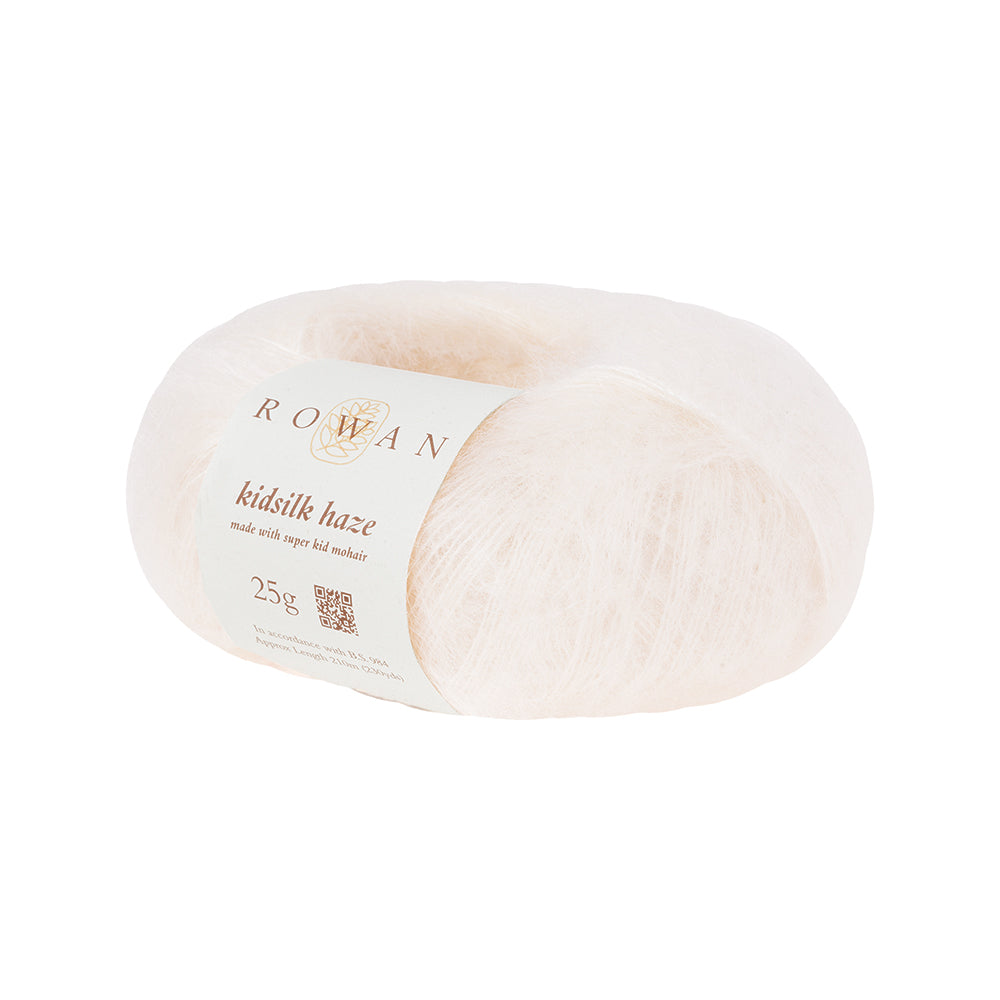
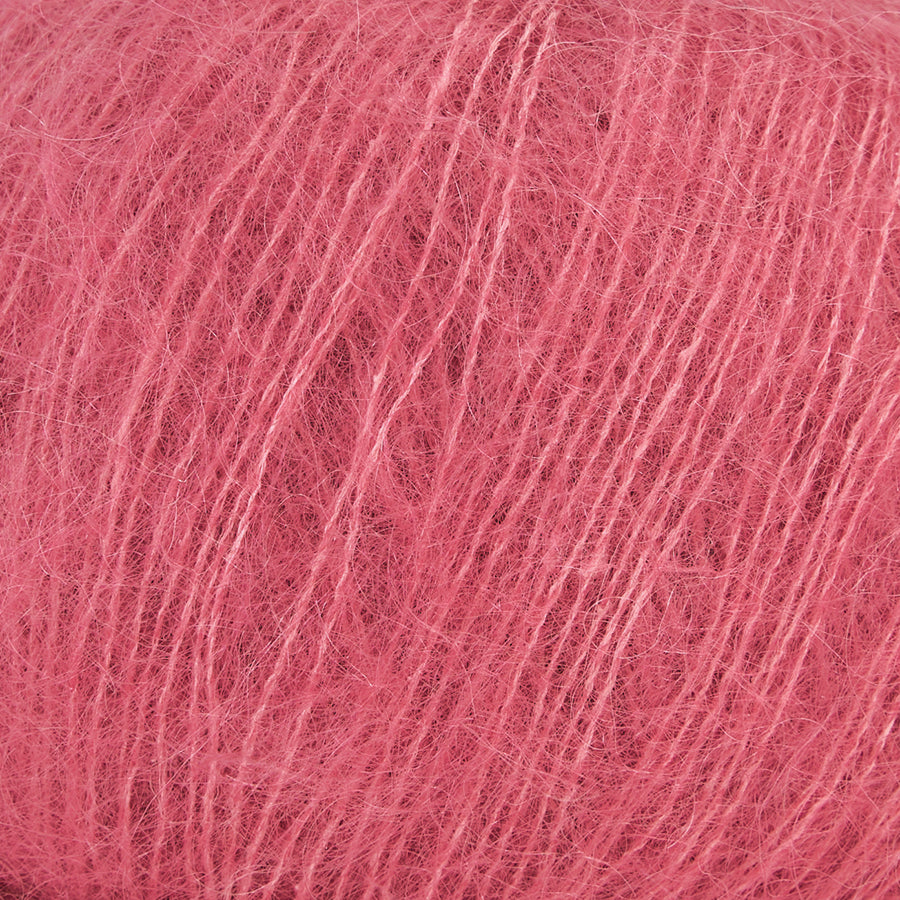
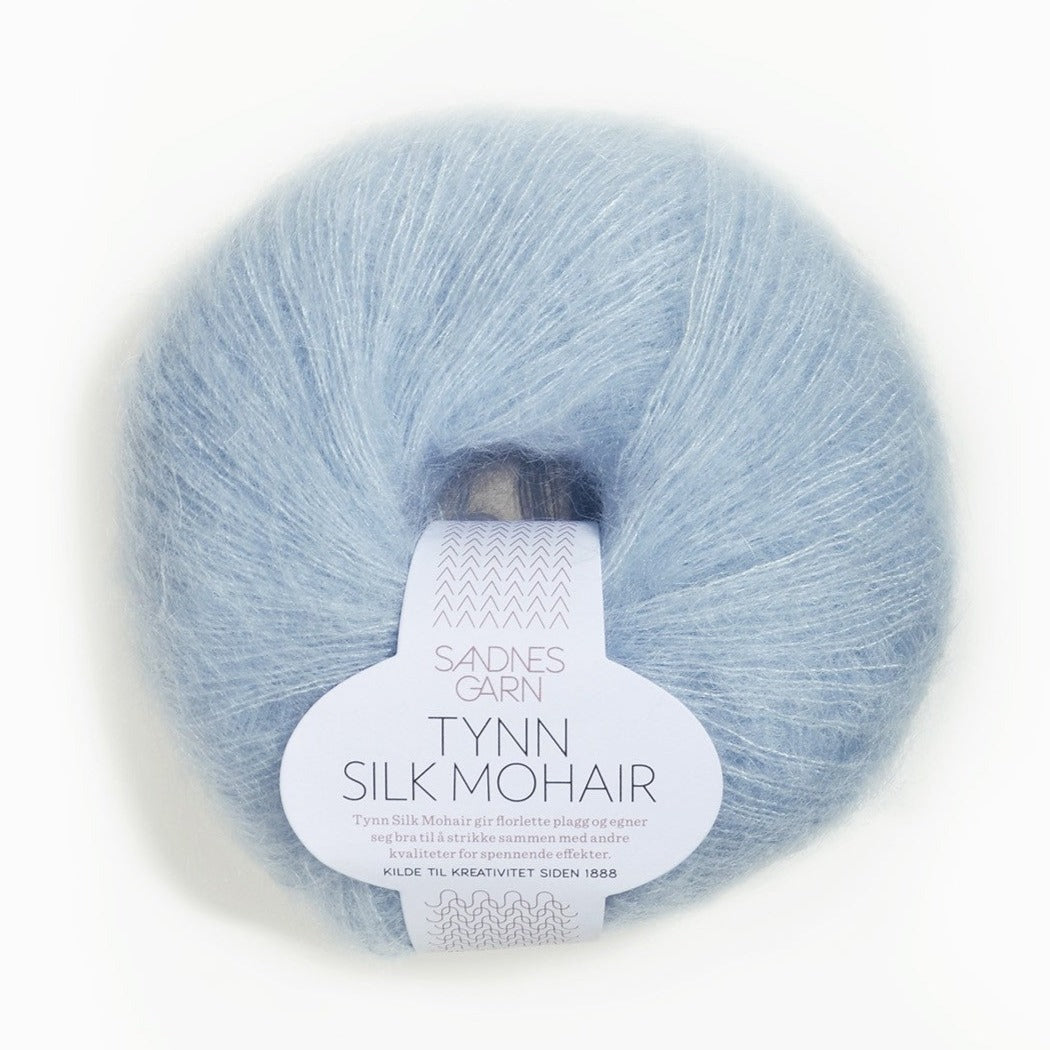
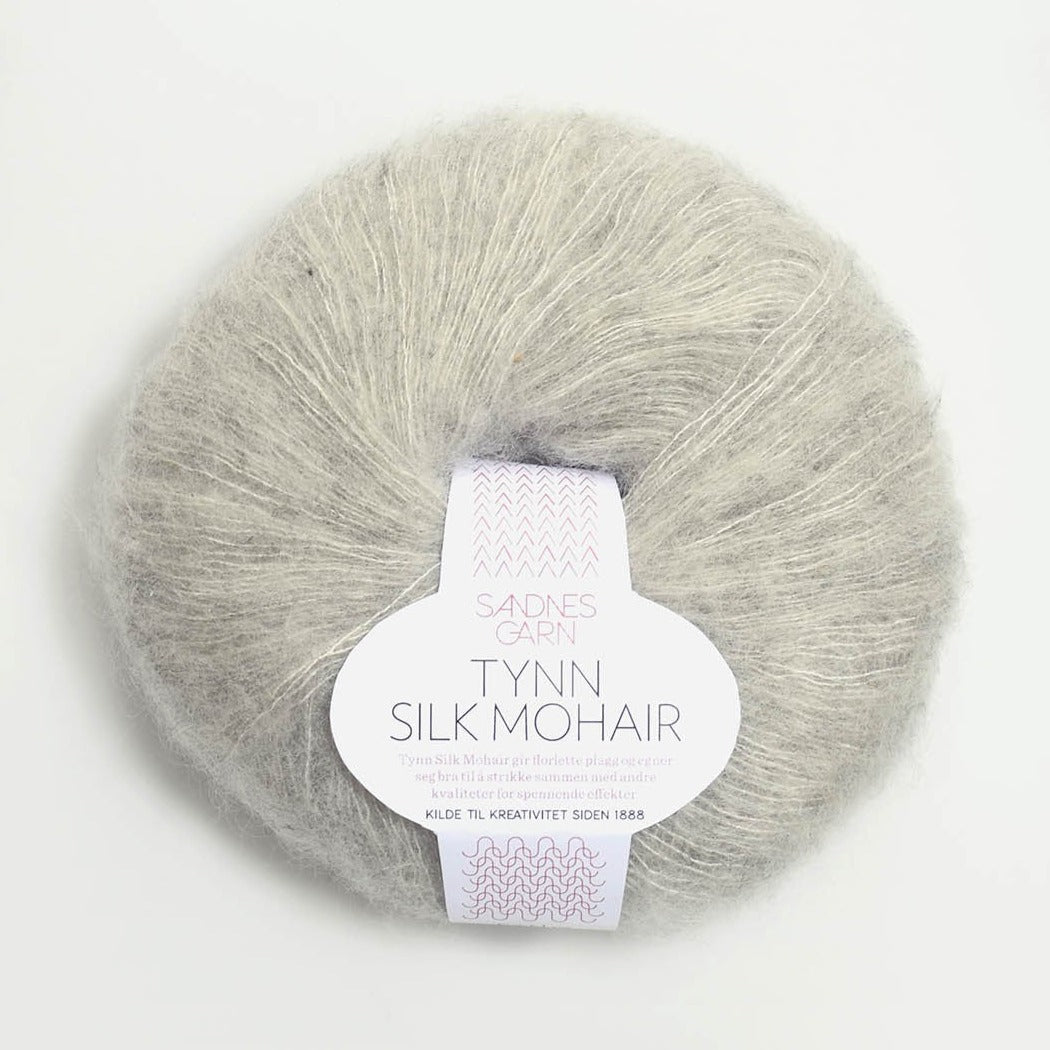
Silk-mohair (kid mohair-silk) is the most widely used silk blend in contemporary knitting. A typical composition of around 70% kid mohair and 30% silk produces a fine, lace-weight yarn that knits to a gauzy, cloud-like fabric when used alone, and adds a luminous halo with warmth and light-reflective quality when held double alongside a main yarn. The silk content adds weight and structure that pure mohair lacks, giving the fabric a more controlled, drapey quality. This blend — associated with brands like Rowan, Isager, and Knitting for Olive — has become one of the most influential yarn types in Scandinavian-influenced contemporary knitwear.
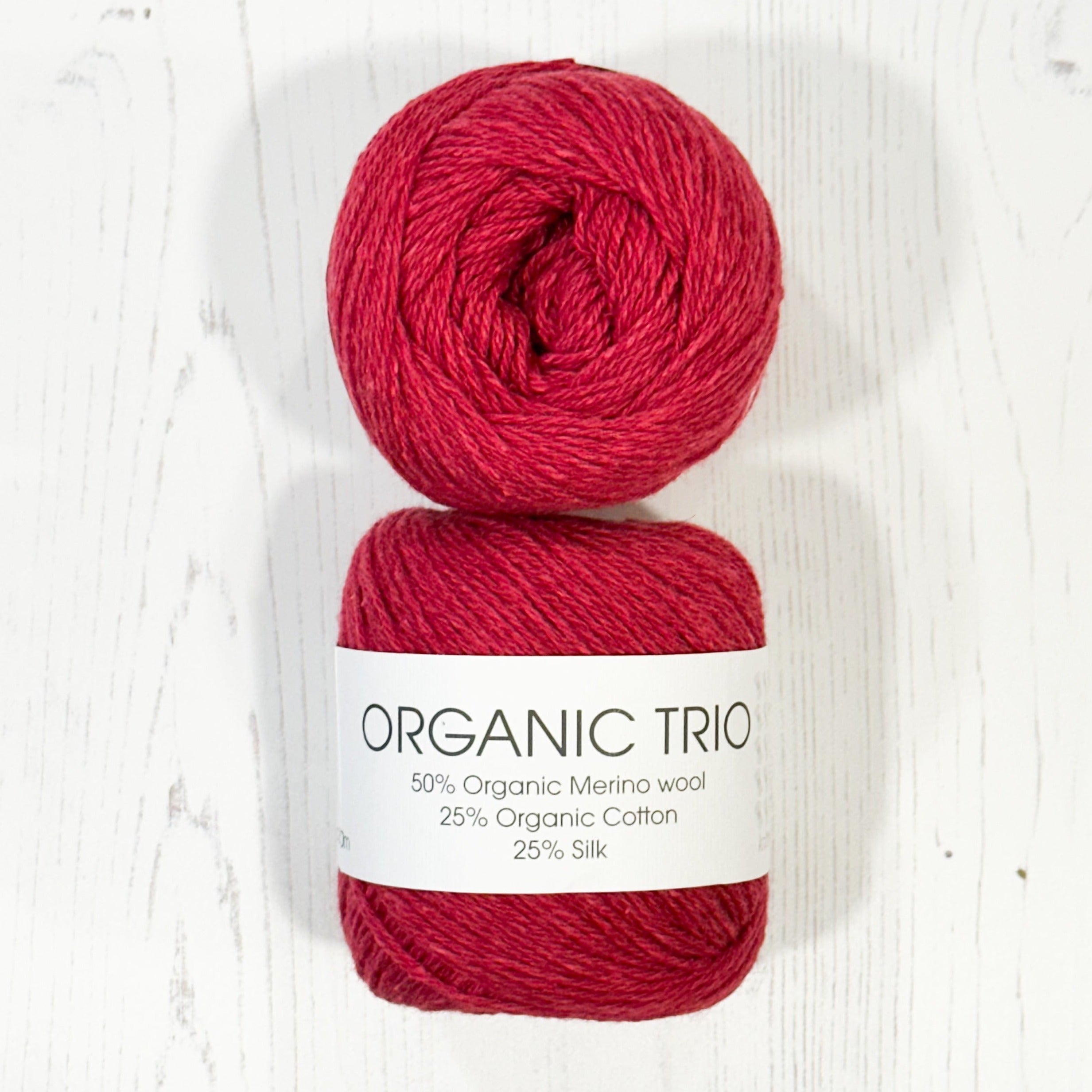
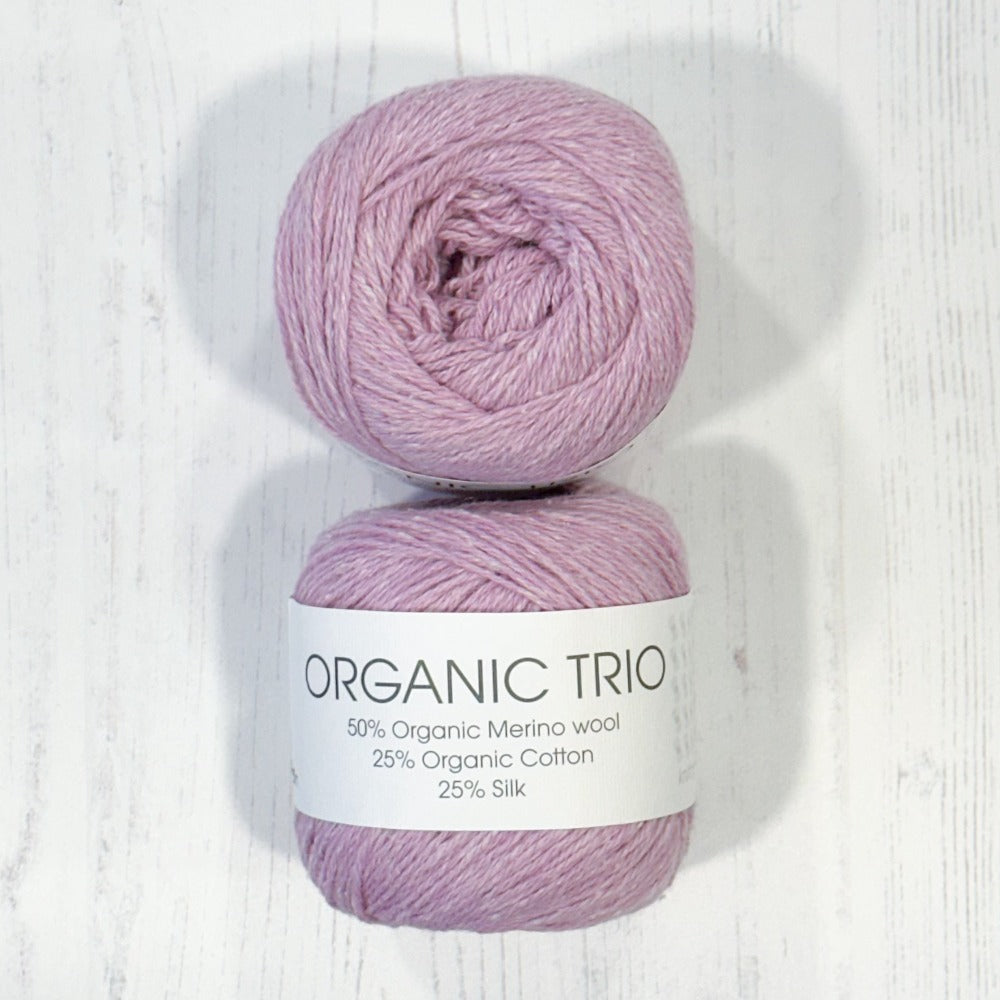
Silk-merino blends combine the elasticity and softness of merino wool with the sheen and drape of silk. The result is a yarn that knits with greater ease than pure silk (the wool's elasticity makes tension easier to control) while producing a fabric with a noticeably elevated surface quality — a subtle gleam and a smoother hand feel than merino alone. Silk-merino blends are popular for both 4 ply and DK weight garments, particularly those where a refined finish is wanted: lightweight summer cardigans, wraps, and accessories with a more polished look than standard wool would produce.
Silk-cashmere blends bring together the two most luxurious natural fibres in knitting. The silk adds body and sheen to cashmere's extraordinary softness, producing a yarn with excellent drape and a distinctive surface quality. These blends are typically used at finer weights — 4 ply and lace — for special-occasion garments and accessories.
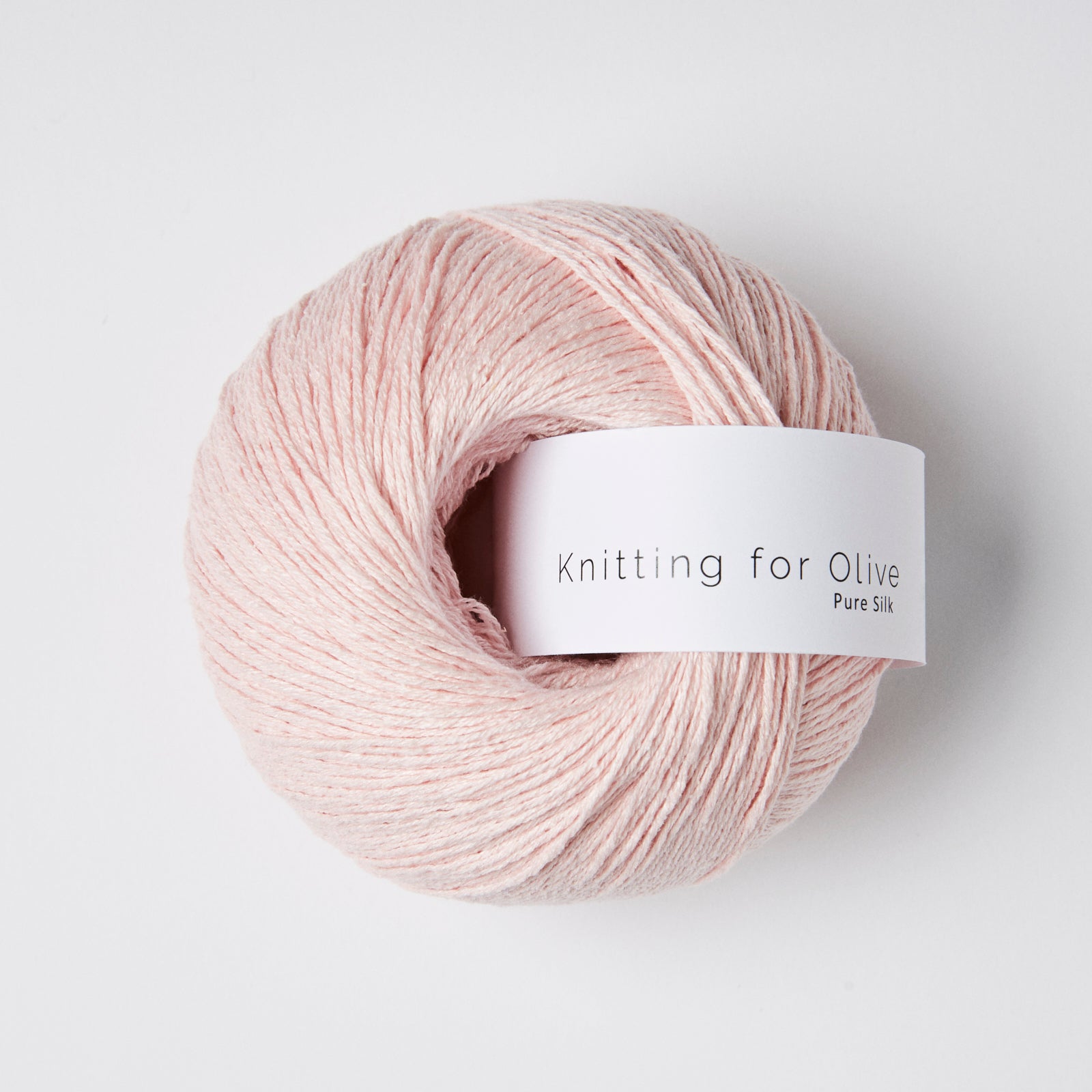
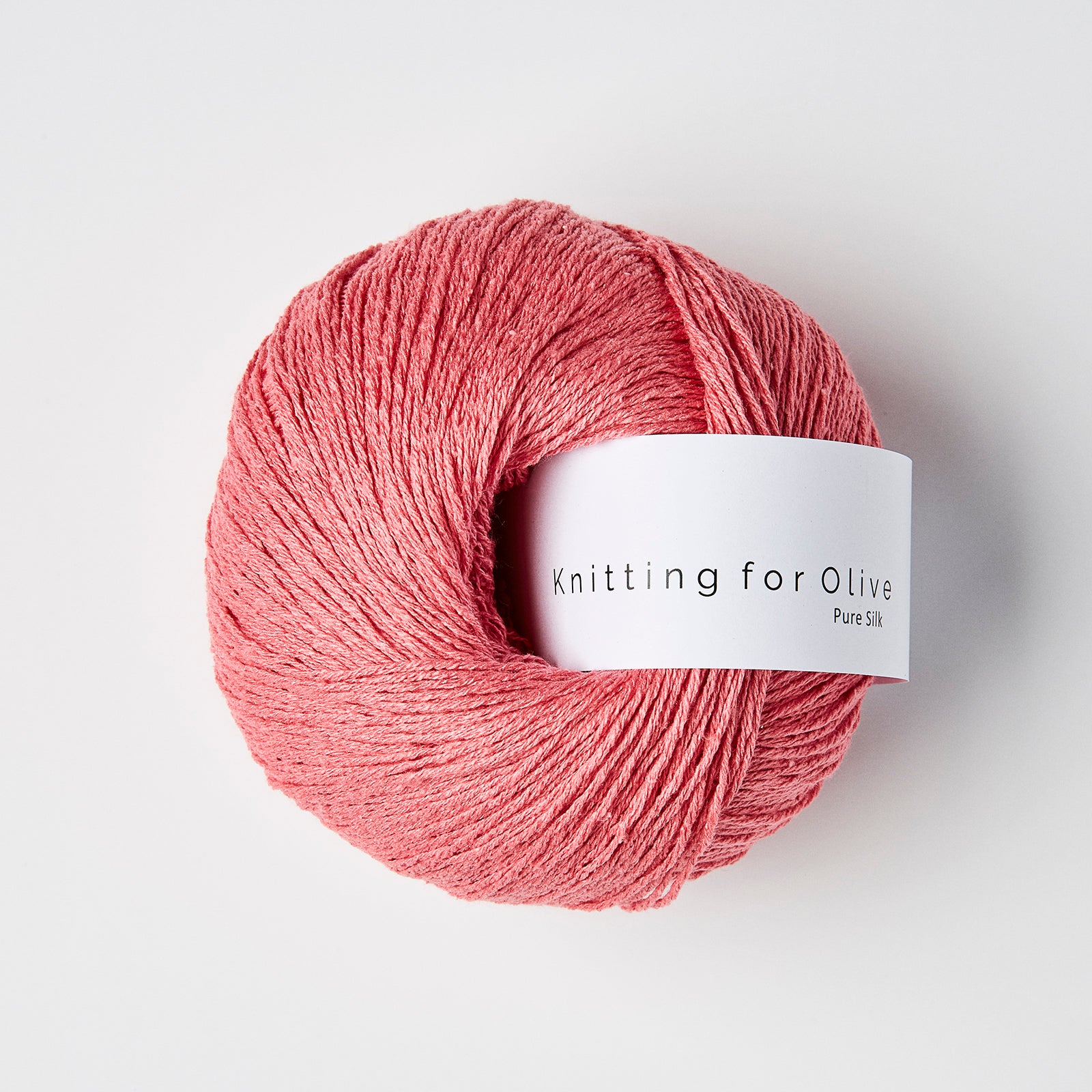
Pure silk yarn is available in our collection for projects where the fibre's unique properties are the primary objective: lace-weight shawls and wraps where the natural sheen and fluid drape of silk are the entire point, or fine-gauge summer garments where breathability and coolness are priorities.
What Can You Knit with Silk Yarn?
The applications for silk and silk-blend yarns divide fairly naturally by blend type. Kid mohair-silk is primarily used held double alongside other yarns in shawls, sweaters, and cardigans where its halo effect is desired — it rarely appears as a standalone yarn in traditional knitting patterns. Silk-merino and silk-cashmere are excellent for lightweight garments, wraps, accessories, and fine-gauge projects where an elevated finish is wanted without the visual drama of a halo. Pure silk is most at home in lace knitting and fine summer garments where its unique light reflection and drape are shown to best advantage.
Scotland's long, grey winters create a strong case for silk blends in knitting. A silk-merino or silk-cashmere shawl provides genuine warmth with a refinement and surface quality that pure wool cannot match, making it as appropriate for smart occasions as for everyday comfort. The light-reflective quality of silk also means that garments and accessories made from silk blends photograph beautifully — a consideration increasingly relevant for knitters who share their work online.
Silk Yarn Brands at The Orry Mill
Our silk and silk-blend collection is curated from brands with a track record of quality fibre sourcing and consistent colour ranges. Rowan's silk offerings include their iconic Kidsilk Haze — the benchmark kid mohair-silk blend against which others are measured. Isager brings a Nordic sensibility to their mohair and silk blends, well suited to contemporary Scandinavian-inspired design. Drops provides accessible silk-blend options at approachable price points for knitters exploring these fibres for the first time.
Browse the full collection above, and explore related collections including our mohair yarn, cashmere yarn, merino yarn, lace yarn, and 4 ply yarn.