
Sock Yarn
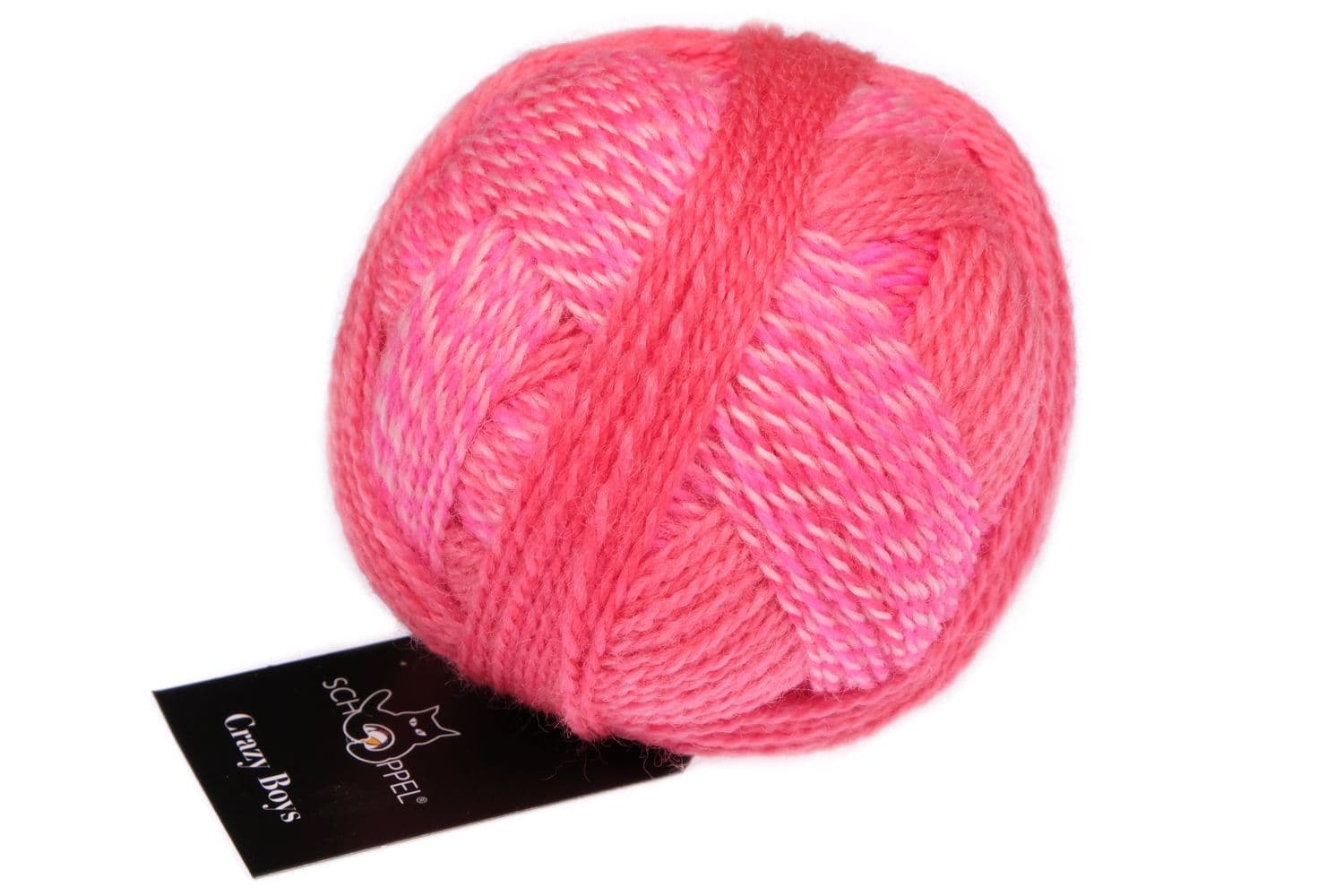
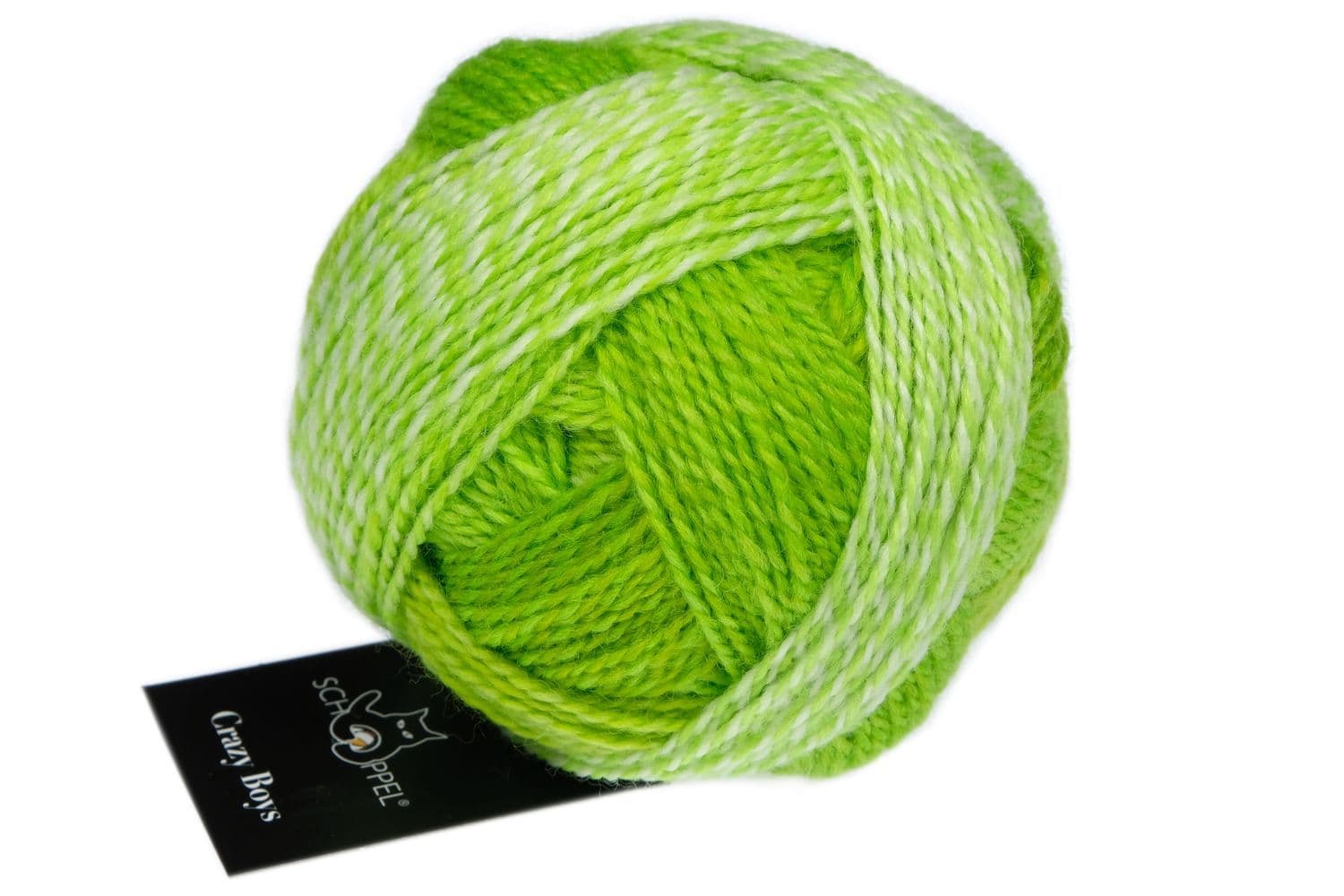


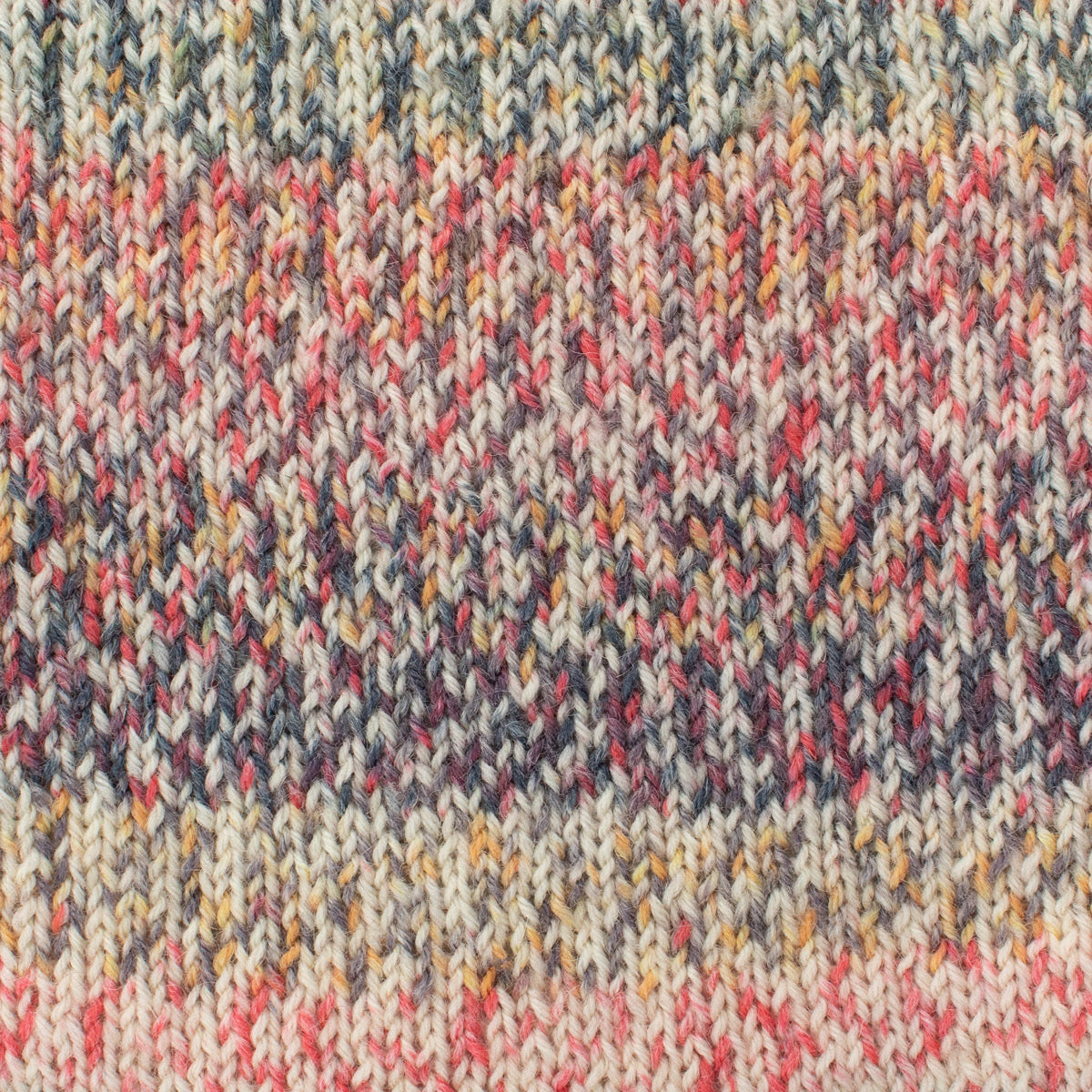
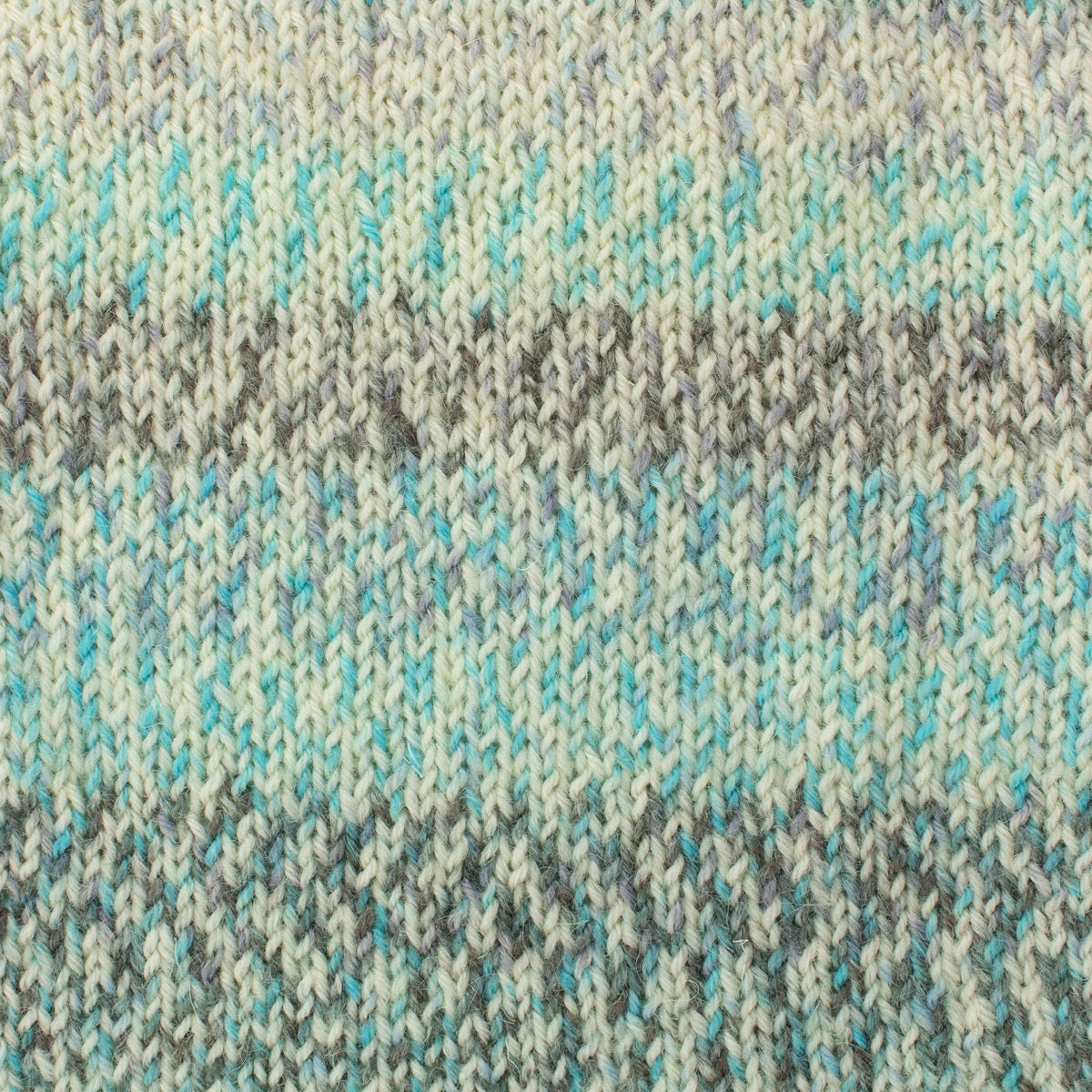

What is Sock Yarn?
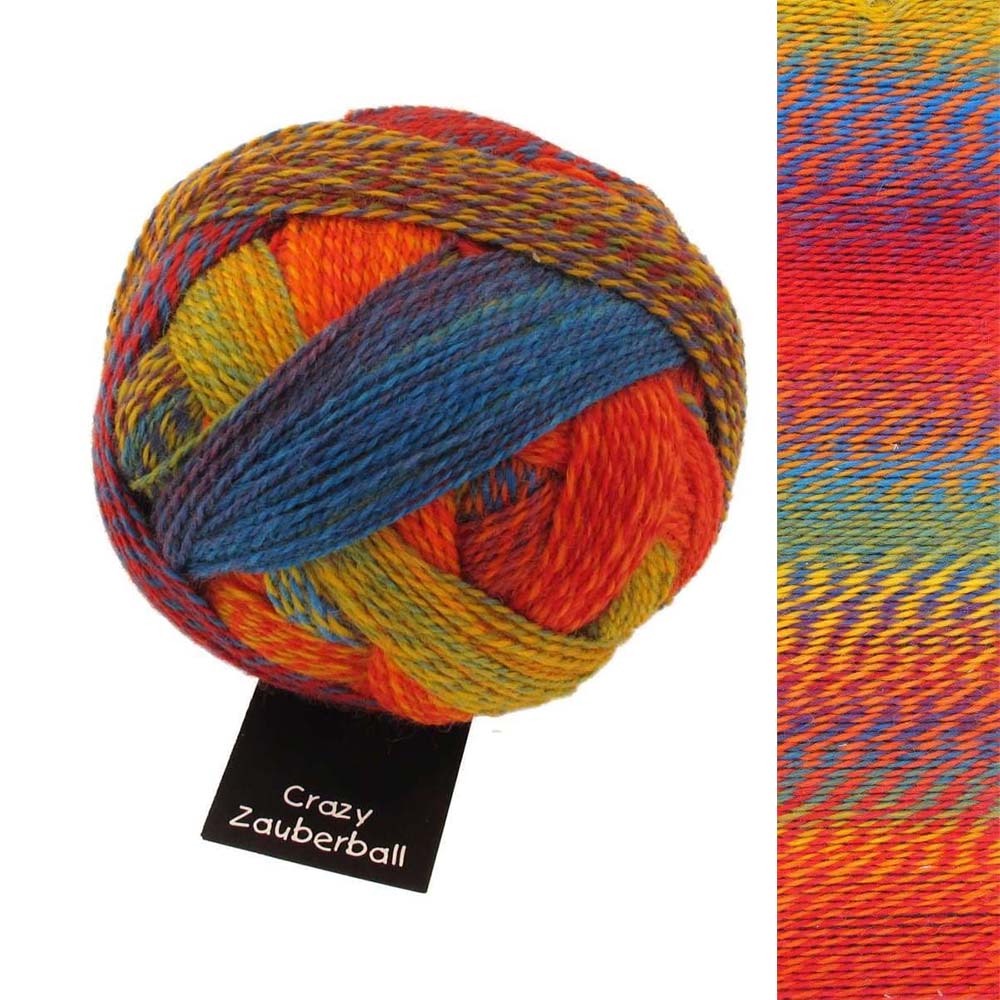
Sock yarn is a category of fine-weight yarn specifically designed for knitting handmade socks. It typically sits within the 4 ply or fingering weight range, knitting to a tension of around 28–32 stitches per 10cm on 2.25mm–3mm needles, and is constructed to produce a dense, durable fabric that can withstand the repeated friction and washing that socks endure.
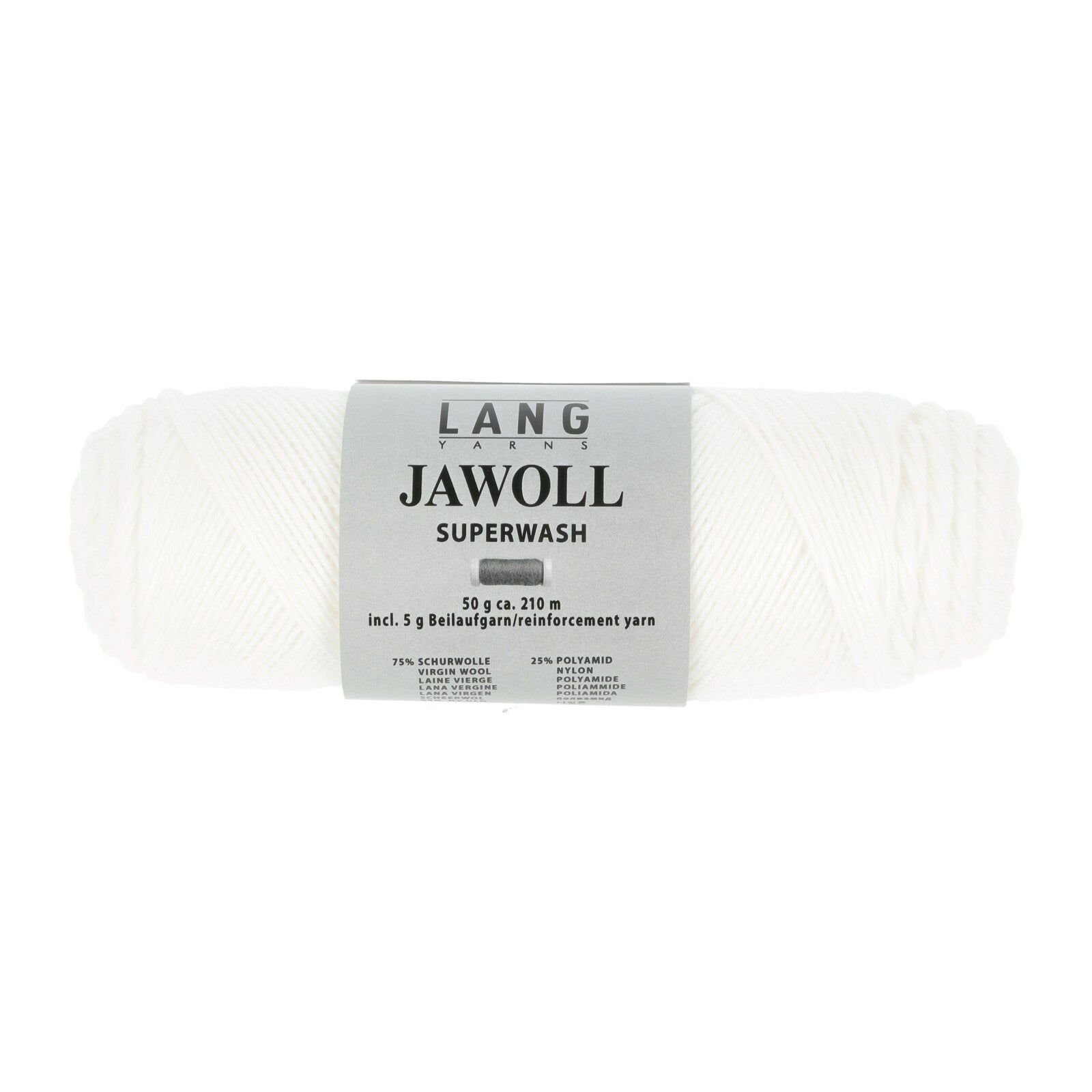
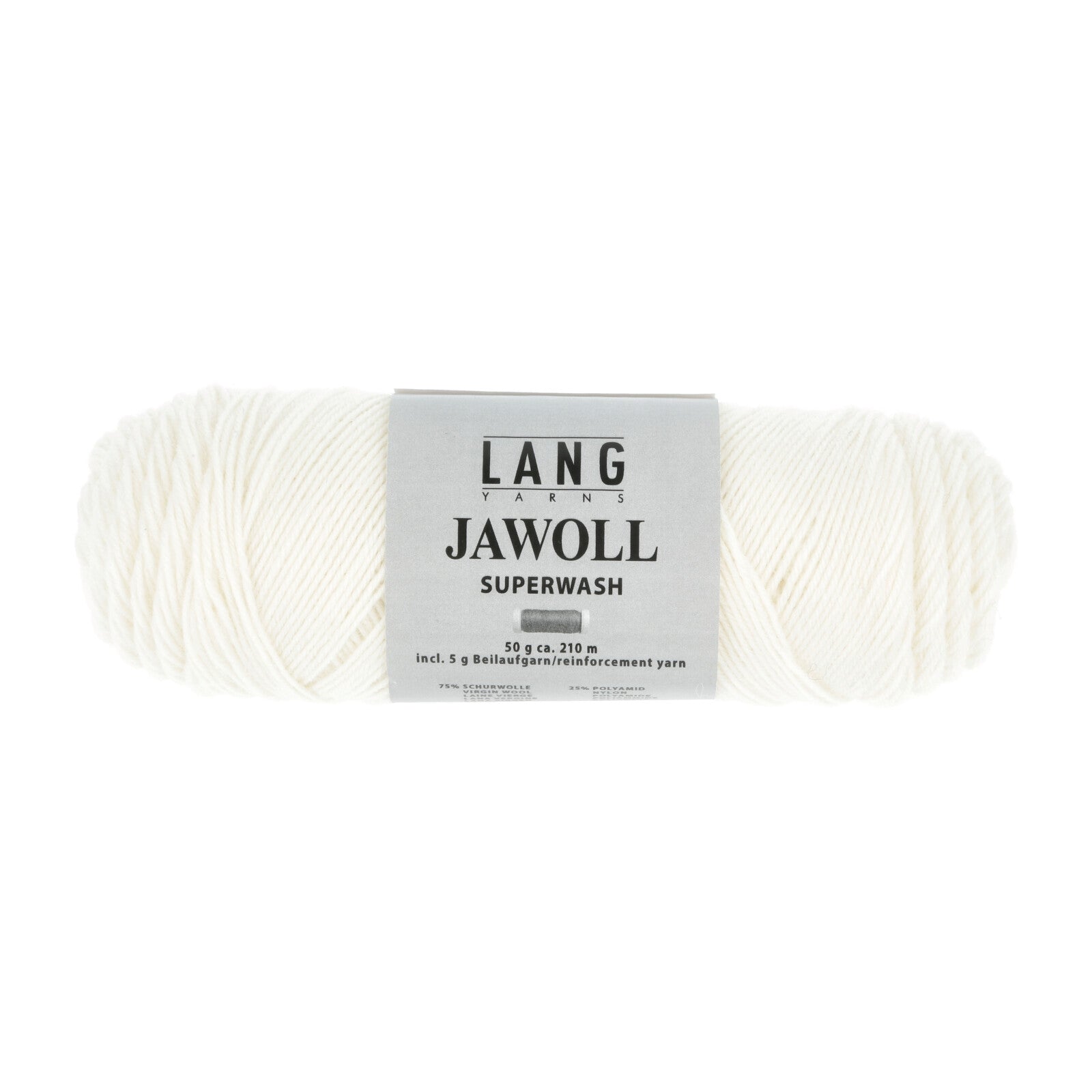
The most distinctive characteristic of purpose-made sock yarn is its fibre composition. Most sock yarns include a proportion of nylon — typically 20–25% — blended with wool or merino. This nylon content reinforces the yarn at the points of highest wear: the heel, toe, and ball of the foot. Without it, even the best natural fibre will wear through relatively quickly in a knitted sock. Some premium sock yarns use reinforced merino, superwash treatments, or even small amounts of silk for added durability and sheen.
Why Knit Your Own Socks?
Hand-knitted socks are one of the great pleasures of knitting — portable, practical, and endlessly personalised. A well-made pair of handknitted socks fits the foot precisely, wears comfortably, and lasts for years with proper care. For many knitters, socks are the project they always have on the needles — small enough to carry anywhere, satisfying enough to keep coming back to.
Sock knitting also offers a natural gateway into more advanced techniques. Short-row or German short-row heels, afterthought heels, toe-up construction, and two-at-a-time magic loop knitting are all techniques that sock knitting teaches in a low-stakes, quick-to-complete context. If you are ready to move beyond the basics, a pair of socks is one of the best technical teachers available.
Ready to cast on your first pair? Our guide to how to knit socks covers everything from choosing your yarn and needles through to finishing your first pair — with clear guidance for beginners and a refresher for more experienced knitters.
Choosing the Right Sock Yarn
The most important decision when choosing sock yarn is how the finished socks will be used. For everyday wearable socks — the kind worn in shoes or boots day after day — a superwash merino and nylon blend is almost always the best choice. Superwash treatment means the socks can be machine washed without felting, and the nylon content ensures durability at the heel and toe.
For socks that will be worn around the house, in slippers, or for special occasions, the superwash requirement is less critical, opening up a broader range of natural-fibre options including non-superwash merino, BFL (Bluefaced Leicester), and even luxury blends incorporating cashmere or silk. These yarns often have a more pronounced lustre and a softer hand feel than standard superwash bases.
Consider also the weight of the yarn. Standard 4 ply sock yarn produces a medium-weight sock that works for most applications. Some knitters prefer a lighter sock knitted in a fine fingering or lace-weight yarn for summer wear, while a heavier 4 ply or light DK yarn can produce a warmer, thicker sock better suited to cold Scottish winters.
Sock Yarn Brands at The Orry Mill
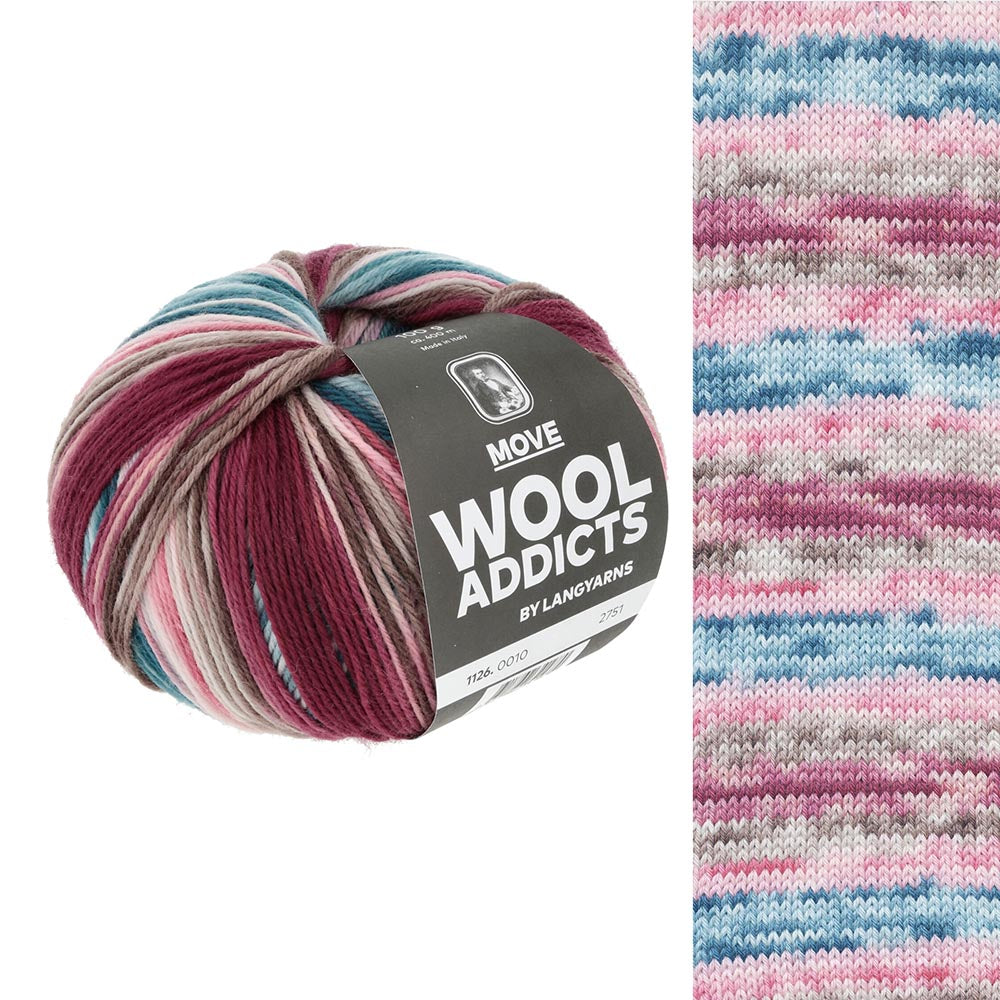
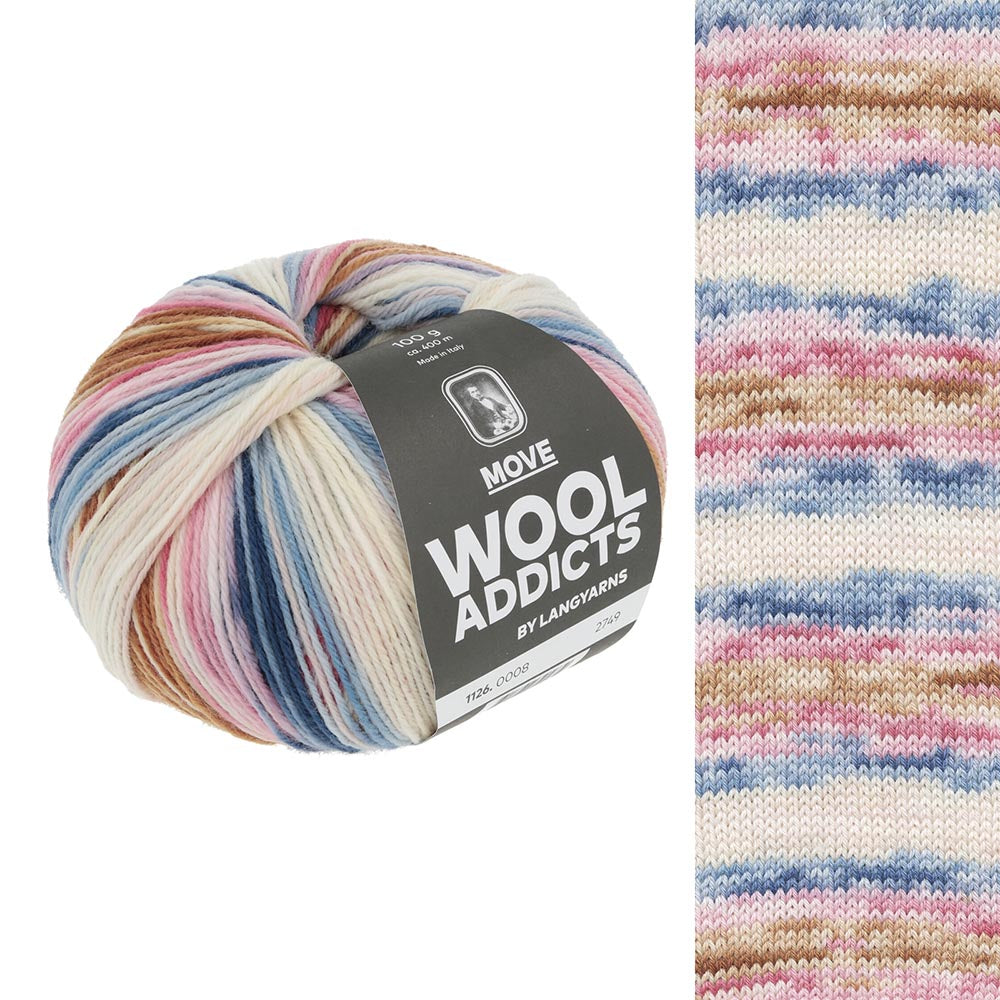
Our sock yarn collection is curated from brands known for high-quality bases, consistent dyeing, and colourways that genuinely excite. You will find sock yarns from West Yorkshire Spinners, Drops, Rowan, and a range of other trusted names — from classic heathered tweeds to bold hand-dyed-style solids and semi-solids that show off stitch patterns beautifully.
Browse our full sock yarn collection above, and explore related collections including our 4 ply yarn, merino yarn, and wool yarn — or pick up a sock knitting pattern from our patterns collection to get started.