
British Yarns


Why British and Scottish Wool Matters
There is a growing movement among knitters who want to know exactly where their yarn comes from — not just the country of origin, but the breed of sheep, the region of the UK it was grazed in, and the mill that processed and spun it. British and Scottish wool is at the heart of that movement, and for good reason.
The United Kingdom has one of the richest sheep-breeding traditions in the world. With over 60 native breeds — more than any other country — Britain produces wool across an extraordinary range of textures, weights, and characters. From the extraordinarily fine Shetland fleece produced in the islands off Scotland's north coast, to the long, lustrous fibres of the Wensleydale in Yorkshire and the robust, springy crimp of the Herdwick on the Cumbrian fells, British wool is not one thing: it is a living textile archive of landscape, geography, and agricultural heritage.
Scottish wool specifically occupies a unique position in that tradition. Scotland's upland breeds — the Cheviot, the Blackface, the North Ronaldsay, the Boreray — have grazed Scotland's hills and islands for centuries, producing fleeces shaped by the same cold, wet, windswept conditions that make Scottish knitwear so genuinely useful. The Shetland Islands in particular have a knitwear tradition that predates most commercial textile production, producing some of the most technically sophisticated and culturally significant knitting anywhere in the world.
What Makes British Wool Yarn Different?
British wool yarn differs from imported merino and other international fibres in several important ways. The fibres of most British breeds are not as fine as merino — with exceptions like Shetland and Bluefaced Leicester — which means they have more natural resilience, grip, and character. British wool yarns tend to have more texture, a stronger natural colour range, and a more pronounced response to wet finishing and blocking. They also typically have a longer fibre length than merino, producing a harder-wearing, more structured fabric.
For knitters, this means that British wool excels in applications where durability, structure, and natural character are priorities over next-to-skin softness. Traditional colourwork patterns — particularly Fair Isle and gansey traditions — were designed around British wool because the slightly firmer, more defined stitch produces pattern clarity that softer, finer yarns actually diminish. Outerwear, accessories worn over clothing rather than against skin, blankets, and home textiles are all natural applications.
Breed-Specific British Wools at The Orry Mill
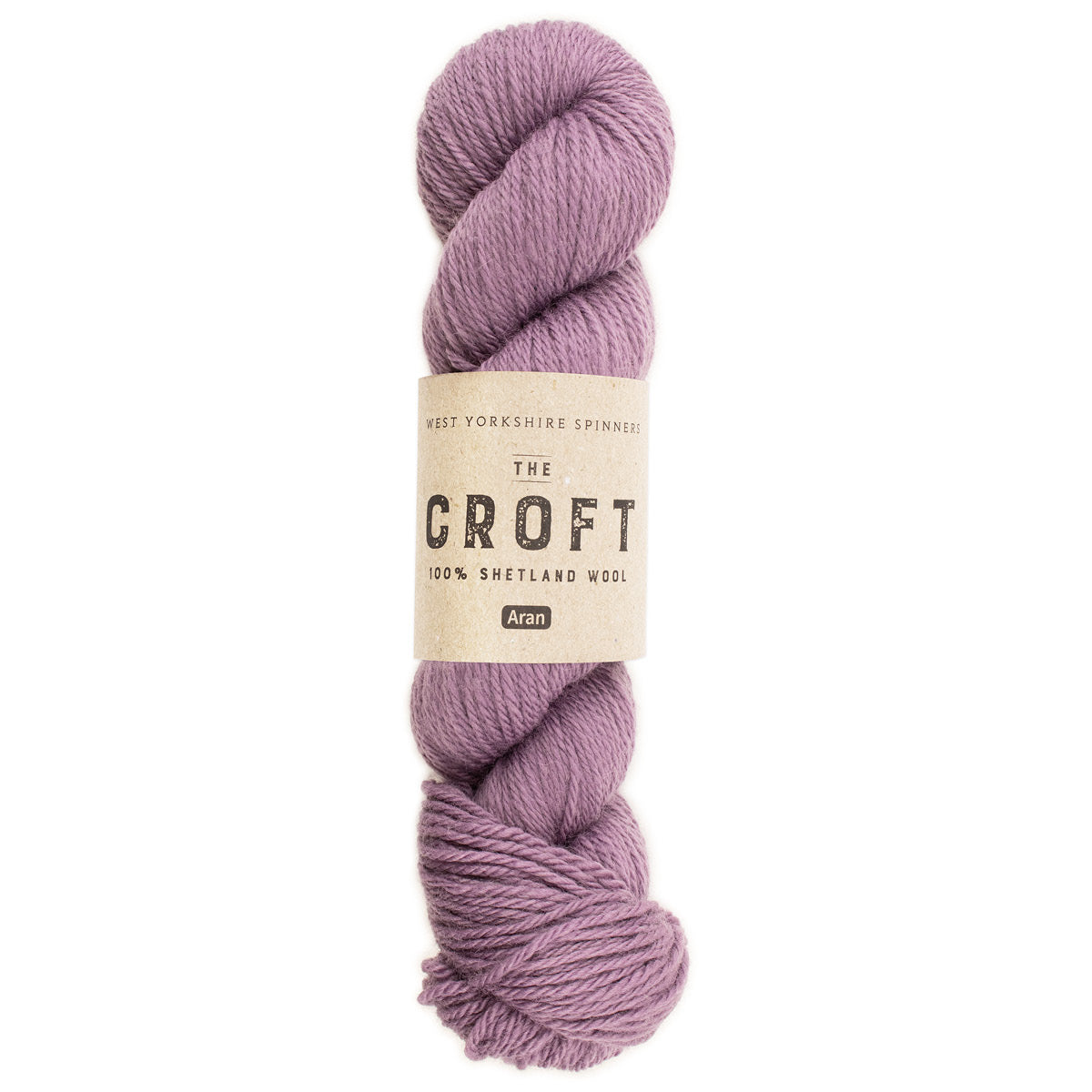
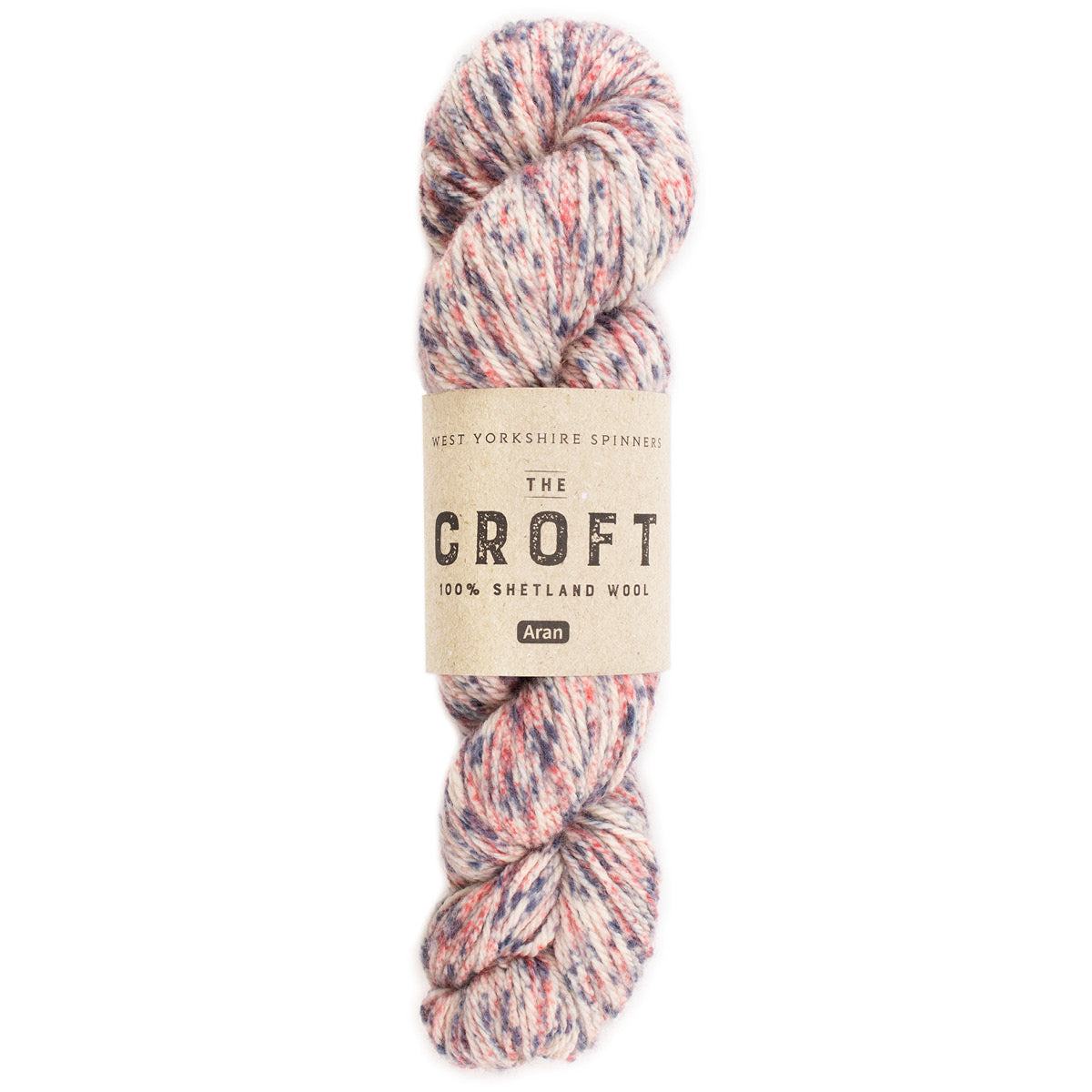
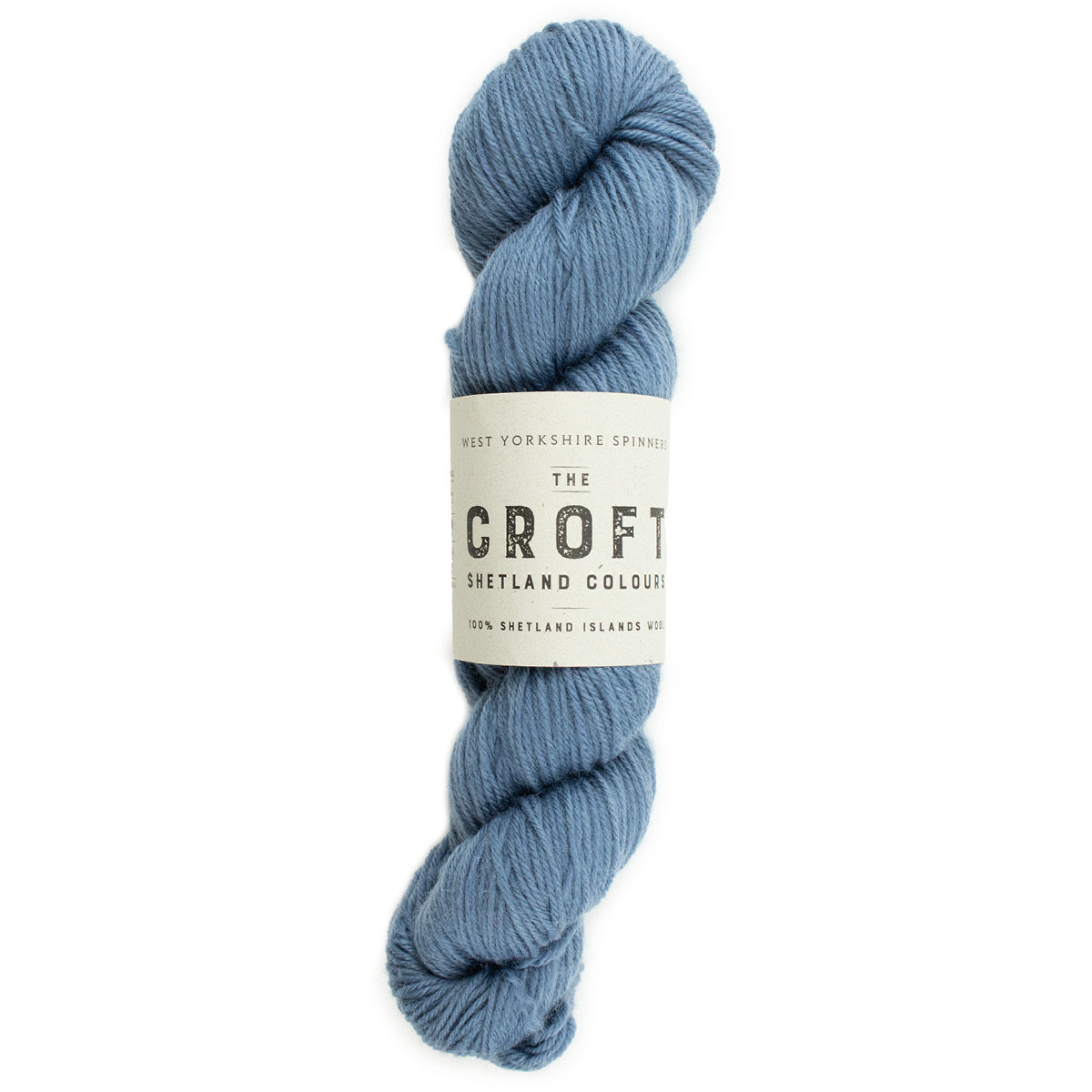
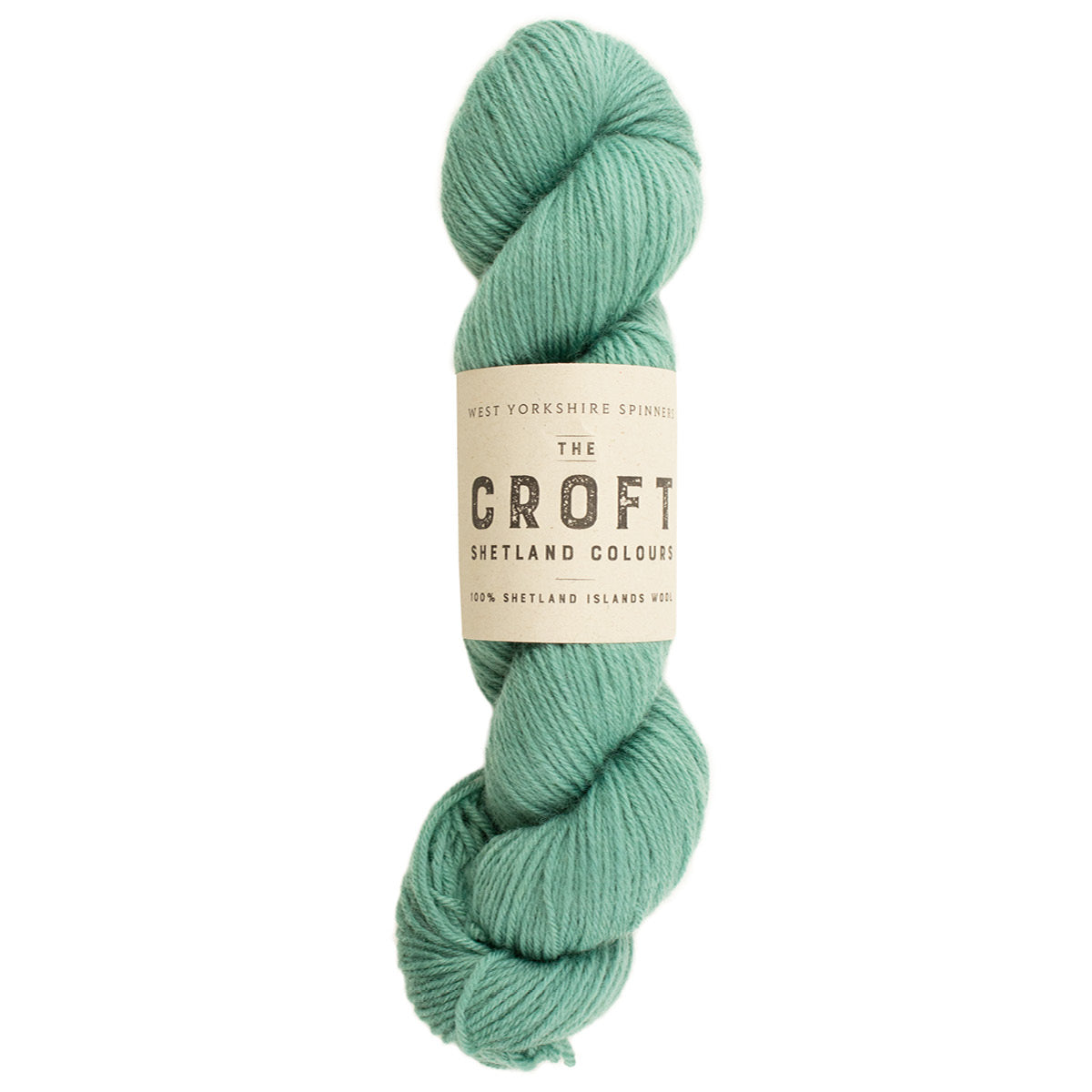
Our British and Scottish wool collection includes yarns from brands that take breed transparency seriously. West Yorkshire Spinners produce a range of breed-specific yarns that name and celebrate individual British breeds — the Bluefaced Leicester, the Exmoor Bluebell, the Shetland — giving knitters direct traceability to the fleece in their hands. Jamieson & Smith in Lerwick, Shetland, produce wool that is as close to the source as any commercial yarn available — spun from Shetland Island fleece in Shetland itself, carrying a genuine, unbroken connection to one of the oldest knitting traditions in the British Isles.
Orry Yarn and British Manufacturing
A note on Orry Yarn in the context of this collection: Orry Yarn is spun and dyed at Laxtons of Bradford — one of Britain's most respected and long-established spinning mills — and it is, indisputably, a British-made yarn. It is designed and created in Scotland, by a Scottish business, drawing on Scottish landscape and heritage for its colour palette and naming. However, the fibre used in Orry Yarn is 100% merino wool, which is not a native British breed — merino originated in Spain and is primarily farmed today in Australia, New Zealand, and South America.
Whether Orry Yarn belongs in this collection therefore depends on how the page is being used. If the collection's purpose is to celebrate yarns made entirely from native British and Scottish wool breeds, Orry Yarn should be featured on its own dedicated page — Shop Orry Yarn → — rather than here. If the purpose is to celebrate British manufacturing more broadly, regardless of fibre origin, then Orry Yarn's production credentials are unimpeachable. We have kept this distinction visible because it matters to knitters who are specifically seeking breed-specific British fleece.
Browse related collections including our wool yarn, merino yarn, alpaca yarn, and Orry Yarn — or explore our Scottish yarns collection for a more targeted view of Scottish-origin and Scottish-made products.